





How to Wash & Clean Your Electric Vehicle (EV) Safely
Learn how to safely wash your electric car. Discover key tips to protect charging ports, sensors & electrical components.
Key takeaways
You can safely wash an electric vehicle (EV) as long as you follow the manufacturer’s washing instructions.
Disconnect the charger, close the charge-port door properly, switch off automatic features where required, and follow your manufacturer’s washing instructions.
Rinse off loose grit first, use automotive shampoo and clean microfibre tools, take extra care around the charge port and sensors, then rinse and dry the car thoroughly.
Hand washing gives you the most control, while pressure washers and automatic car washes can also be suitable if you follow your EV manufacturer’s guidance.
Wash your EV about every two weeks, or more often if it is parked outdoors or regularly exposed to bird droppings, tree sap, construction dust, or heavy road grime.
The first time you wash an electric car, you may hesitate to clean around the charging port or wonder whether a pressure washer is safe near a high-voltage vehicle. You may also find yourself second-guessing familiar habits that never seemed worth thinking about with a petrol car.
How to wash an electric car safely
In practice, washing an EV is usually much more straightforward than it sounds.
Fortunately, most of the usual car-washing steps still apply, with a few extra checks around the charging port, automated features, and any model-specific instructions from the manufacturer.
Step 1: Prepare your car washing materials
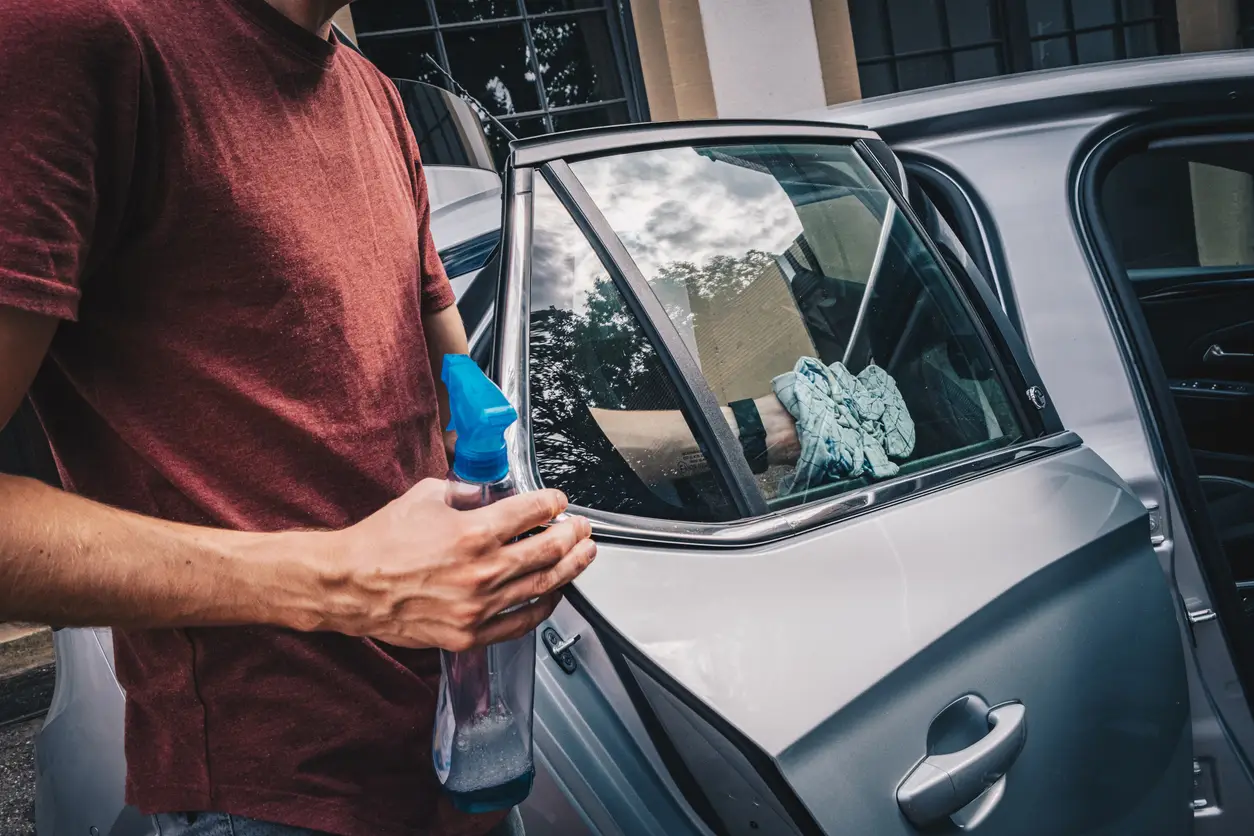
Having everything ready before you start makes it easier to keep dirt from being transferred back onto the paintwork.
Prepare:
3 pails: One with automotive shampoo and water, one with clean water for rinsing your wash mitt, and one reserved for cleaning the wheels
1 clean microfibre wash mitt for the bodywork
2-3 clean microfibre towels for drying the car and wiping smaller areas
1 separate wheel brush or mitt for the wheels
1 can of compressed air for the charging port
Automotive shampoo, diluted according to the product instructions
A hose or pressure washer, if you are using one
An automotive cleaner for stubborn marks such as tar or tree sap, if needed
You should also keep the wheel-cleaning pail and tools separate to prevent brake dust and road grit from being transferred onto the car’s paint.
Step 2: Disconnect the charger & secure the car
Before you begin rinsing or washing the car:
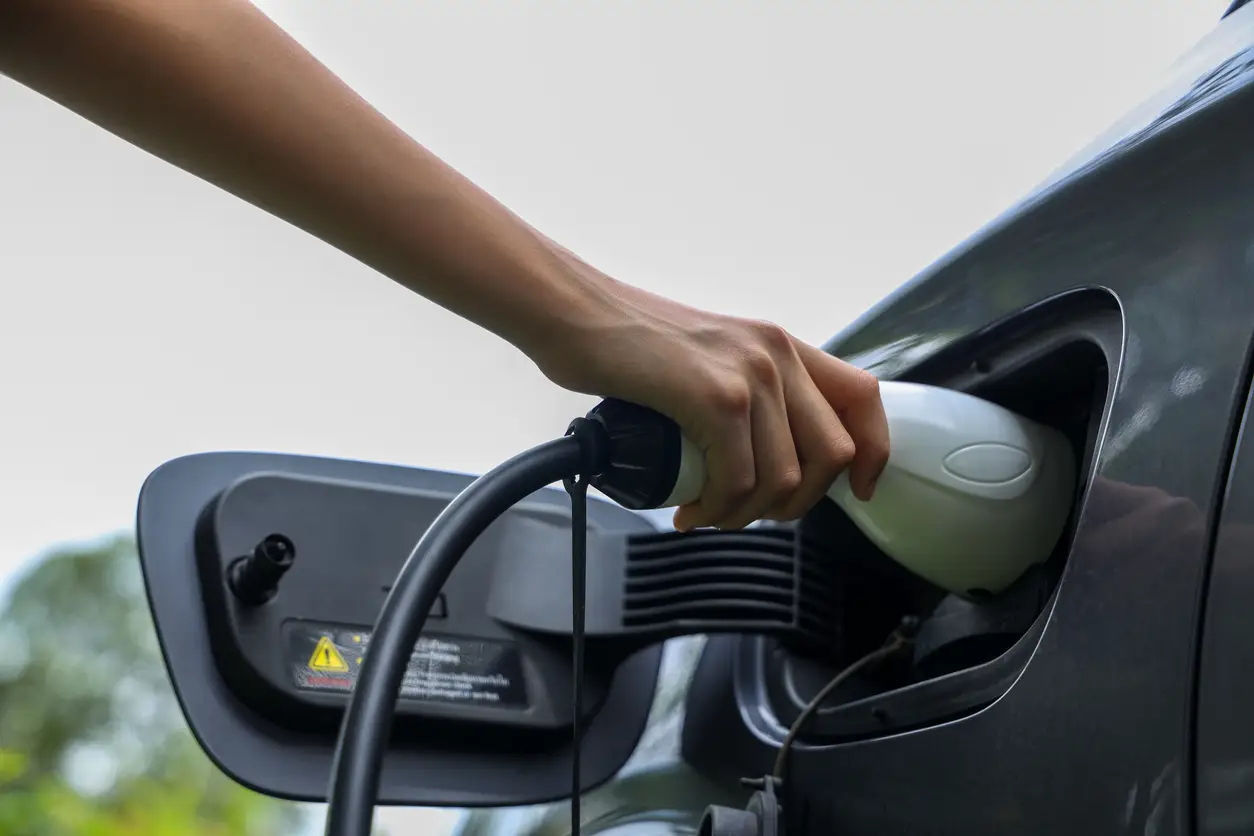
Unplug the charging cable
Close the charging inlet cover and charge-port door fully. Give it a light press to confirm that it is properly latched
Close the windows, doors, boot, and sunroof
Switch off automatic windscreen wipers
Secure or retract automatic door handles if required
Fold the mirrors if recommended
You should also check whether your EV has a car wash mode. In some EVs, car wash mode locks the charge port and disables the windscreen wipers, among other functions.
Step 3: Rinse off loose dirt & grit first
Use a hose or pressure washer to rinse the car and remove loose dust, grit, and road debris before washing it with a mitt. Pay extra attention to lower doors, bumpers, and wheel arches, where dirt tends to build up.
This reduces the chance of dragging abrasive particles across the paint during the contact wash.
Step 4: Wash with automotive shampoo
Use automotive shampoo and a clean microfibre wash mitt. Work from cleaner areas, such as the roof and glass, toward dirtier lower panels.
Rinse the mitt regularly, and use separate tools for the wheels so brake dust and road grit do not end up on the paint.
For stubborn marks such as dried bird droppings, place a microfibre cloth soaked in water or diluted car shampoo over the spot for a few minutes before wiping gently. Use a suitable automotive cleaner for substances such as tree sap or tar rather than scraping them off.
Step 5: Take care around the charge port & sensors
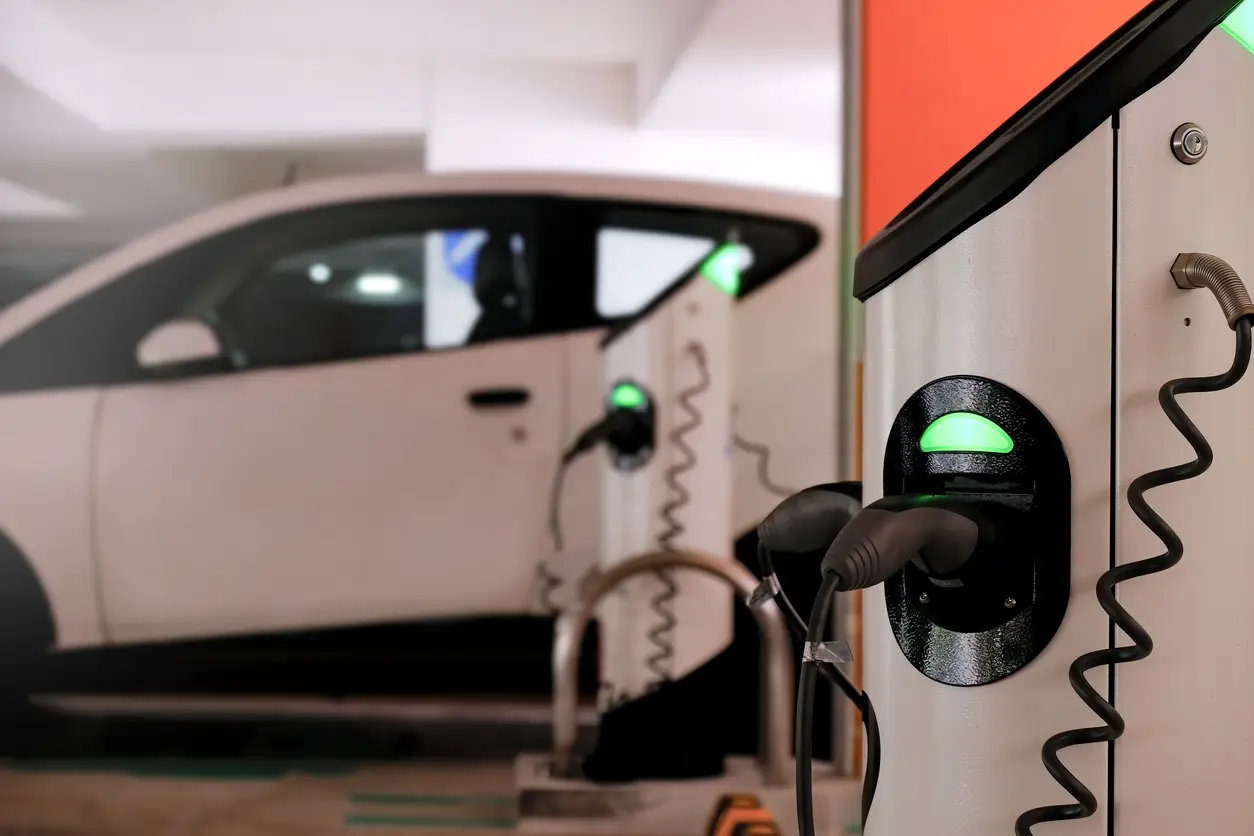
With the charge-port door properly closed, wash the surrounding bodywork normally, but avoid directing concentrated high-pressure water at:
The charge-port door
Cameras and sensors
Rubber seals
Loose trim
Damaged areas
If you are using a pressure washer, keep the nozzle moving and follow the distance recommended in your owner’s manual.
Step 6: Rinse & dry thoroughly
Rinse your car until no shampoo remains. You should also check the areas where residue tends to accumulate, such as mirrors, door handles, panel gaps, and around the charge-port door.
Dry the car with a clean microfibre towel rather than leaving it to air-dry, which can lead to visible water spots.
Step 7: Clean the charging port
So, how do you clean the charging port of an electric car?
If there is loose debris, get a can of compressed air. Hold it upright and use short, controlled bursts to clear out dust, sand, or grit from the port recess. Do not force the nozzle deep into the pin contacts.
If the area is relatively clean, wipe the outer housing, edges, and inner flap with a dry or slightly damp microfiber cloth. Use a soft detailing brush around the hinges and weather seals to remove trapped road grime. Keep liquids away from the interior contact pins.
If there is light residue on the non-contact surfaces, you can use a plastic-safe electrical contact cleaner applied sparingly to a microfiber cloth or cotton swab. Never poke, scrape, or insert metal objects into the pin terminals.
Let the port air-dry completely for a few minutes before closing the flap or plugging a charging cable back in.
Step 8: Return the car to driving mode
Before setting off:
Make sure cameras and sensors are clean
Return folded mirrors or retracted handles to their normal position
Switch automatic wipers back on if needed
Exit car wash mode where required
Is it safe to wash an electric car?
Yes.
EVs are built to handle normal exposure to rain and routine washing, as long as the vehicle is in good condition and you follow the manufacturer’s care instructions. In Singapore, EVs must also meet recognised vehicle safety standards, including safeguards against electrical hazards such as those set out in UN Regulation No. 100.
The main thing to check is your model’s specific washing requirements. Features such as flush door handles, automatic wipers, sensors, and car wash mode may require extra preparation.
Before using a pressure washer or automatic wash, check the owner’s manual, especially if the vehicle has damaged seals, a faulty charge-port door, or exposed components.
What is the best way to wash EV?
No single washing method suits every EV, but hand washing gives you the most control over the paintwork, charge-port area, cameras, sensors, and other exterior components.
Washing method | May suit you if | Main consideration |
Hand washing | You want more control over how each area is cleaned | Use clean tools and take extra care around the charge port, cameras, and sensors |
Pressure washing | You want to remove loose dirt and road grime more quickly | Follow the manufacturer’s pressure and distance guidance |
Automatic car wash | Convenience is your priority | Check whether your EV requires car wash mode, Neutral, or other settings |
How to prepare your EV for an automatic car wash
If an automatic car wash sounds more appealing, check your owner’s manual, as required settings vary by EV model. Depending on your vehicle and the type of car wash, you may need to:
Activate car wash mode
Select Neutral or a free-rolling setting for a conveyor wash
Switch off automatic wipers
Fold the mirrors
Retract or secure automatic door handles
You should also consider whether the wash uses brushes or is touchless. Brushes can trap grit and leave fine scratches on the paint, while touchless systems avoid physical contact but may use stronger cleaning products.
How often should you wash an electric car in Singapore?
We recommend washing your electric car about once every two weeks. However, you can adjust that schedule based on how you use and park your car:
About once a week: If you park outdoors, regularly park under trees, drive daily, or frequently encounter construction dust and heavy road grime.
About every two weeks: If you drive several times a week and usually park in a sheltered car park.
Up to every three to four weeks: If the car is driven infrequently and kept under cover.
Regular washing is just one part of keeping your EV in good condition. You should also check your tyres, brakes, battery condition, charging habits, and other key components as part of routine EV maintenance.
Look after your EV & prepare for the unexpected
A proper washing routine can help keep your EV’s exterior, cameras, sensors, and charge-port area clean. If you are a first-time electric car owner, however, it is also worth understanding what support is available if you run into an emergency on the road.
This is where EV insurance comes in. Like regular car insurance, it can provide financial support after incidents such as accidents or vehicle damage, while some policies also include benefits relevant to electric vehicles, such as battery-related support or roadside charging assistance.
Under Income's eDrivo Car Insurance, for example:
Get peace of mind with unlimited replacement for your battery1 in the event it is damaged in an accident.
Cyber hacking coverage2: Protect your car against loss or damage due to malicious cyber acts.
Public EV charging station cover3: We cover up to $5,000 for the accidental damage to the charger caused by you or your authorised driver during charging
Frequently Asked Questions (FAQs) about washing an electric vehicle
1. What should you do if the charging port gets wet?
Do not plug the charging cable in straight away if water has entered the charging area. Let the area dry, check for debris or visible damage, and follow your owner’s manual before charging again. If the car shows a warning, have it checked.
2. Can you wax or polish an electric car?
Yes. EV paintwork can generally be waxed or polished like that of other cars. Use products suitable for your vehicle’s finish, and avoid applying polish or coating over camera lenses, sensors, or textured exterior trim unless the product instructions say it is suitable.
3. Should you wash an EV immediately after driving?
It is better to let the car cool first, particularly after a long drive. Hot wheels, brakes, and body panels can cause water or cleaning products to dry too quickly, which may leave marks or make cleaning less effective.
1 The battery replacement must be covered under Section 1 of the policy.
2 Cyber hacking by malicious act of gaining unauthorised access to your vehicle systems by any unauthorised person or entity
3 Liability for other property damage, injury or death to any third party is excluded. This benefit will not cover any consequential loss arising directly or indirectly from the damage to the public electric vehicle charging station, your vehicle or other vehicles.
This article is meant purely for informational purposes and does not constitute an offer, recommendation, solicitation or advice to buy or sell any product(s). It should not be relied upon as financial advice. Please seek independent financial advice before making any decision.
The precise terms, conditions and exclusions of any Income Insurance products mentioned are specified in their respective policy contracts. The policies are protected under the Policy Owners’ Protection Scheme which is administered by the Singapore Deposit Insurance Corporation (SDIC). Coverage for your policy is automatic and no further action is required from you. For more information on the types of benefits that are covered under the scheme as well as the limits of coverage, where applicable, please contact Income Insurance or visit the GIA/LIA or SDIC websites (www.gia.org.sg or www.lia.org.sg or www.sdic.org.sg).

Related Articles
Related Articles


