





Are Electric Vehicles (EVs) Becoming More Vulnerable?
Are electric vehicles becoming more vulnerable? Explore key EV cybersecurity threats & safety tips for owners.
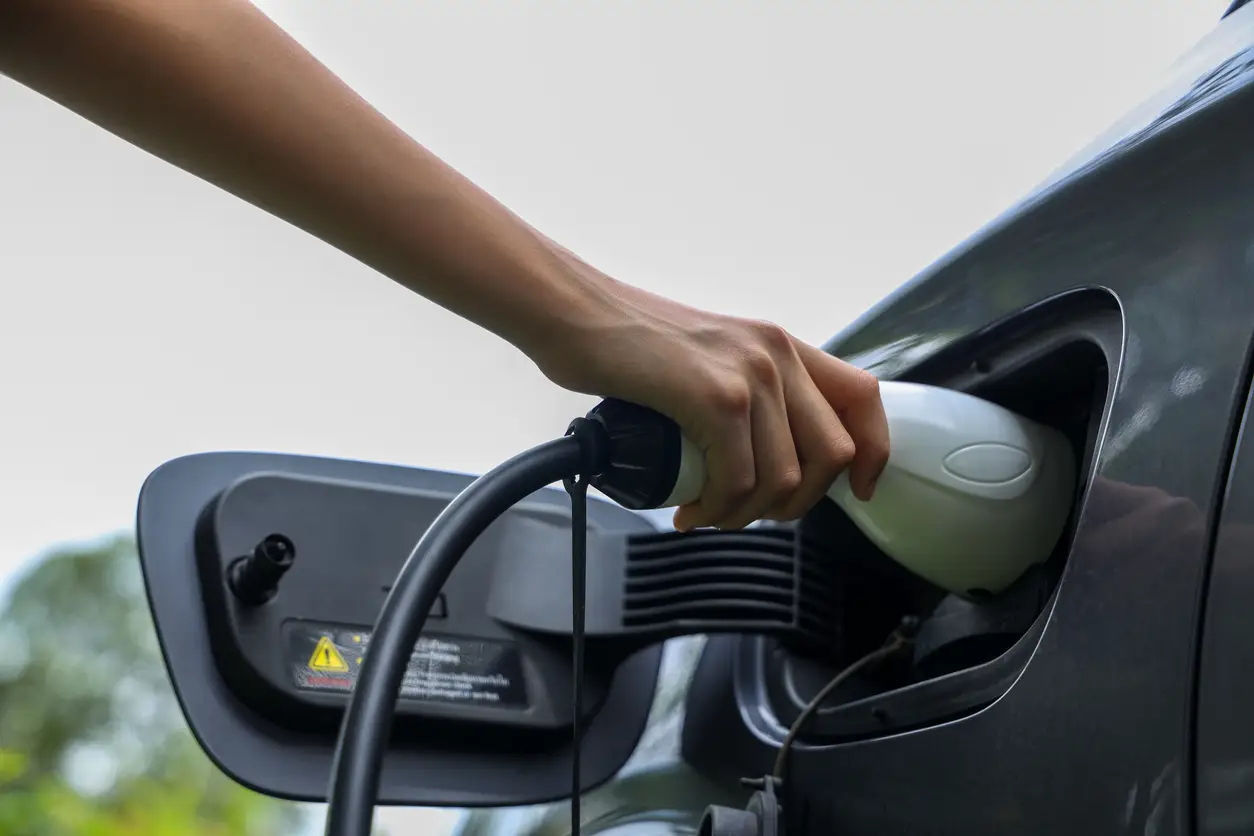
Key takeaways
Electric vehicles (EVs) are becoming more connected, with features such as mobile apps, software updates, and smart charging systems enhancing everyday ownership.
This increased connectivity has sparked new conversations about EV cybersecurity, data privacy, and the protection of digital systems.
Simple steps like updating software and securing your accounts can help keep your EV safer.
While cybersecurity concerns are growing, EV manufacturers and technology providers continue to strengthen security measures as connected-vehicle technology advances.
When most people think about owning an electric vehicle (EV), the first things that come to mind are usually battery range, charging availability, and maintenance needs.
But modern EVs have also become increasingly connected, with many functions relying on software and digital systems behind the scenes. From unlocking your car through an app to planning charging stops through integrated navigation, these features have made driving more convenient.
At the same time, they have introduced new questions about how vehicles are protected in a more connected environment.
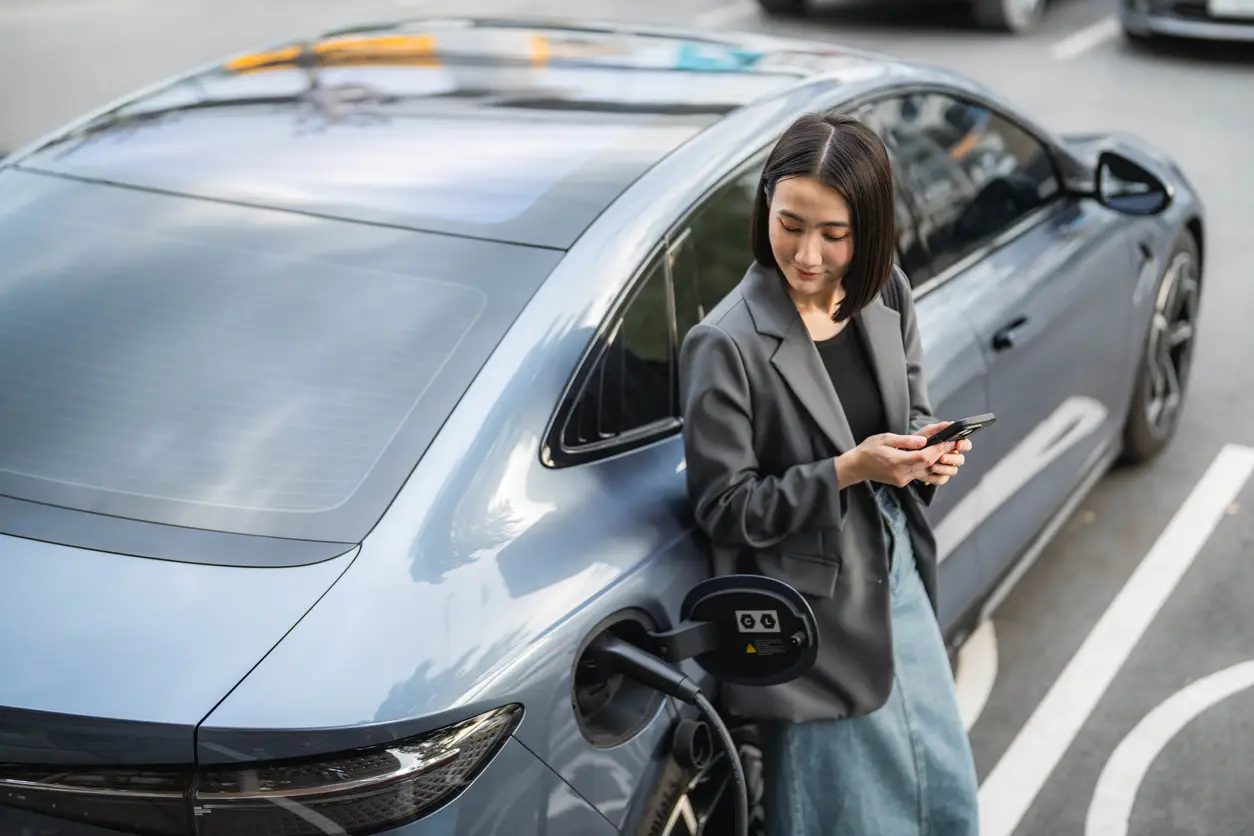
EVs have become more connected than traditional cars
A modern EV is no longer just a vehicle powered by a battery.
Many models now function as connected platforms that combine hardware, software, and digital services.
Drivers may use features such as:
Mobile applications to monitor vehicle status
Remote locking and unlocking
Smart charging controls
Navigation systems that plan routes based on charging availability
Over-the-air software updates
Remote vehicle diagnostics
These features become part of EV owners' everyday routine. Checking battery levels before leaving work or scheduling charging overnight can be as natural as checking a phone notification.
However, greater connectivity creates more points where digital systems need to communicate securely.
An EV may connect with:
Manufacturer cloud platforms
Mobile applications
Charging networks
Payment systems
Wireless communication systems
These connections help create a smoother ownership experience, but they also mean vehicle security is no longer only about physical components.
For example, a driver using a public charging station may interact with several connected systems, including payment platforms and charging networks.
What are the potential EV cybersecurity risks?
1. Unauthorised access to vehicle systems
The biggest worry with connected cars is someone gaining control of internal systems remotely.
Telematics hacks: An EV uses a cellular chip to talk to the internet. If hackers find a bug in this unit or the infotainment system, they can try to jump into the car's core internal network, known as the CAN bus, which controls driving functions.
Relay attacks on keyless entry: Thieves may use small radio gadgets to grab the signal from your key fob inside your house, boost it, and trick the car into unlocking and starting.
Mobile app vulnerabilities: Automakers give drivers apps to lock doors or check battery levels. If the backend connections like APIs aren't locked down, a hacker could exploit them to control functions on thousands of cars at once.
2. Data exposure
EVs track and store huge amounts of personal information every day.
- Charging data: Credit card details, charging times, and billing history.
- Onboard sensors: Bluetooth call logs, contact lists, and voice commands.
Location tracking: GPS history, daily commutes, and home/work addresses.
Stolen payment info: When you pay at a public charger using an app or credit card, that data moves between the charger operator and bank networks. Weak security on charging servers can lead to large-scale data breaches.
If telemetry data sent from the car to the manufacturer isn't strongly encrypted, bad actors can intercept it to track your details.
3. Software & over-the-air updates tampering
Just like your smartphone, EVs receive Over-the-Air (OTA) software updates to fix bugs and add features.
If hackers compromise the manufacturer's update servers, they could potentially push bad code to entire fleets of cars, disabling vehicles or demanding ransom payments.
Battery management attacks: Infiltrating the car's Battery Management System could alter thermal safety limits, potentially causing the battery to overheat.
Driver assist exploits: Manipulating the software behind Advanced Driver Assistance Systems could make onboard cameras or sensors misread speed limit signs or fail to spot obstacles.
| Threat type | How it happens | What may go wrong |
| Fake QR codes | Scammers stick fake QR code stickers over real ones on public chargers. | Drivers scan the sticker and get sent to a fake website that steals their credit card information. |
| Physical tampering | Opening up the charger casing to access USB or diagnostic ports. | Hackers steal saved Wi-Fi passwords, bypass payment systems, or load malware. |
| RFID cards skimming | Cloning the tap-to-pay RFID cards used for charging accounts. | Scammers charge their own cars using your account balance. |
| Unencrypted protocols | Using outdated software. | Allows hackers to eavesdrop on data passing between the car and the charger. |
4. Security weaknesses in charging hardware
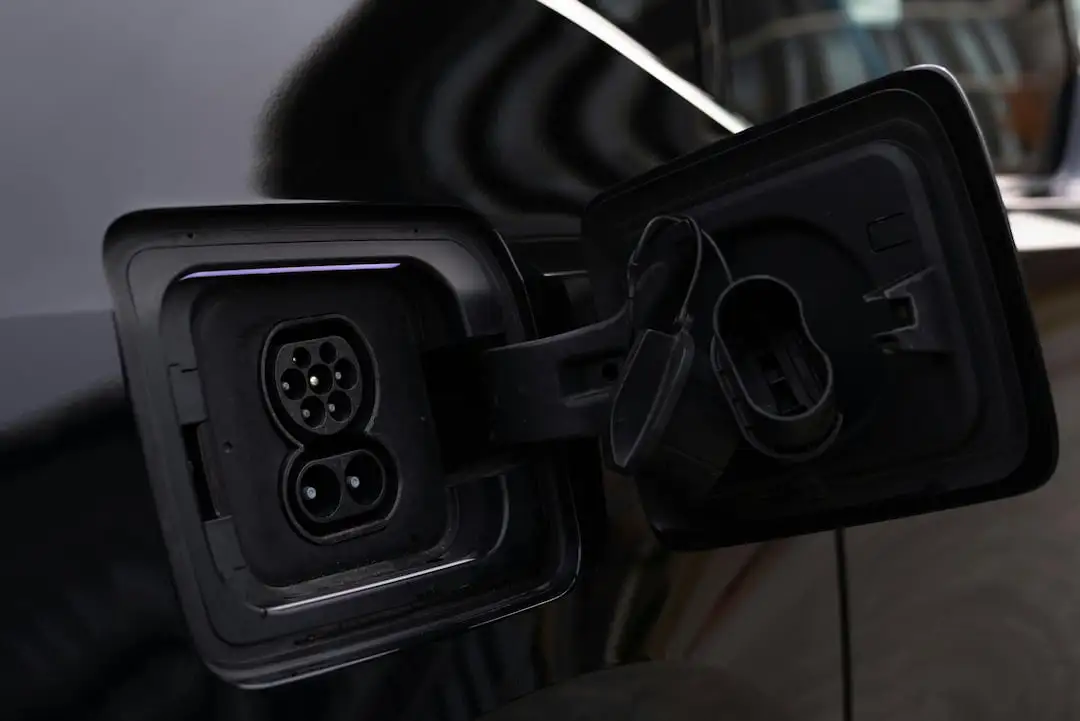
Charging is one of the areas where EV ownership differs most from traditional vehicles.
A petrol car mainly depends on fuel stations for refuelling, while EVs rely on a wider charging ecosystem involving:
Home charging systems
Public charging stations
Charging applications
Payment platforms
With the exception of home charging systems, other chargers are often left outdoors unattended, making them easy targets.
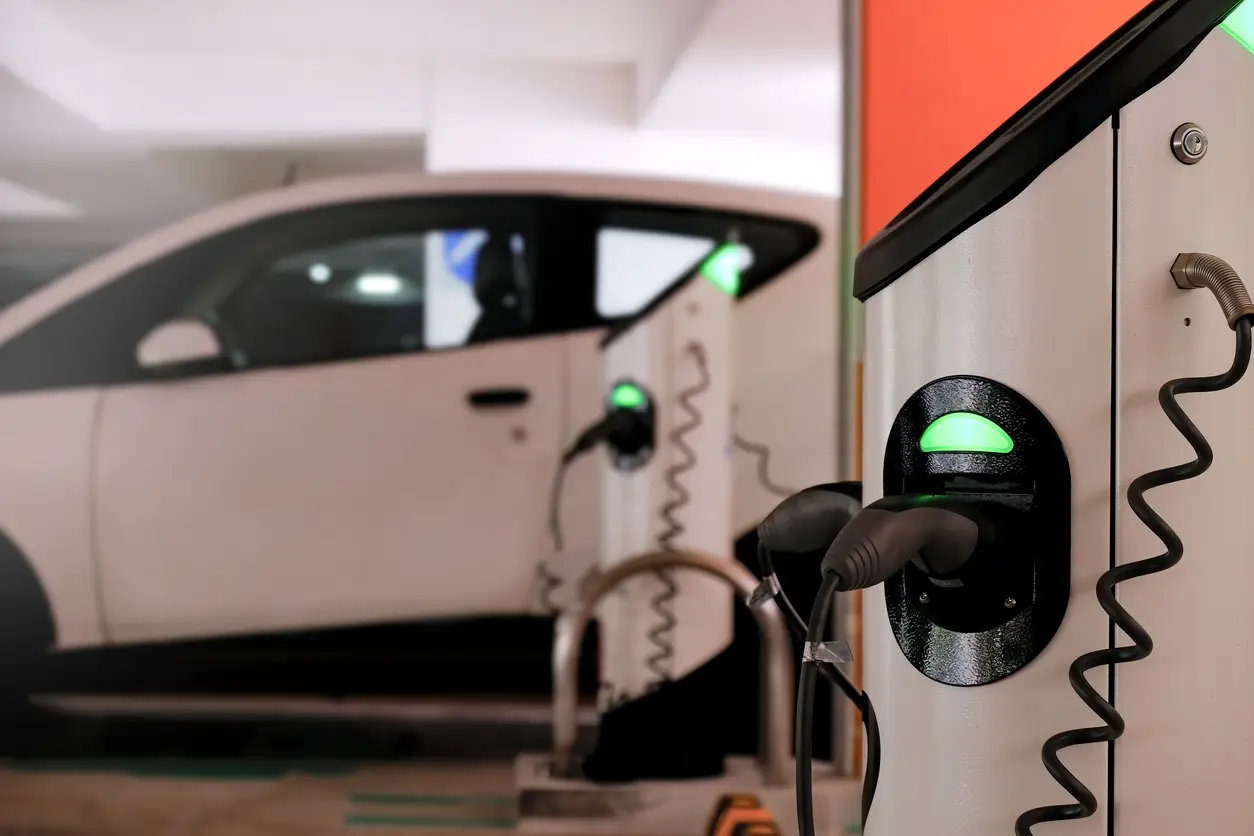
How to protect yourself from EV cyber risks
Alongside battery care and regular servicing to maintain an EV, owners should pay more attention to these simple habits to improve digital safety:
Use strong passwords for vehicle and charging accounts
Avoid sharing account access unnecessarily
Install software updates from official sources
Review app permissions and connected services regularly
These steps may seem small, but they can help drivers stay more aware of how their connected vehicle operates.
While digital security is an important topic, it is only one part of EV ownership.
Drivers may also need to think about:
Battery health and replacement costs
Charging availability
EV maintenance needs
EV car insurance
Drivers may want to consider how their vehicle is supported across different areas, including EV insurance coverage.
Income’s eDrivo Car Insurance includes offers the following benefits:
- Emergency Mobile Rescue1: If your car battery runs out of charge on the road, our service provider will arrive at the scene and provide DC fast charging up to 20% capacity so you can drive to the nearest charging station. Enjoy unlimited access to this service as a policyholder.
- Unlimited battery replacement: Get peace of mind with unlimited replacement for your battery2 in the event it is damaged in an accident.
- Cyber hacking coverage3: Protect your car against loss or damage due to malicious cyber acts.
- Loan Protection Cover: Up to $100,0004 if death occurs from a car accident while you are in the insured vehicle.
- Coverage for loss of personal belongings, travel documents, hospital visitation, trauma counselling and more if you drive out of Singapore5.
- Up to $5,000 Public EV charging station6 coverage for the accidental damage caused by you or your authorised driver during charging.
- Get up to $2,000 medical expenses benefit if you, your passengers or authorised driver are injured in a car accident.
Frequently Asked Questions (FAQs) about EV cybersecurity & vulnerability
1. Can EVs be hacked?
Yes, EVs can potentially be hacked because they rely on software and connected systems. However, manufacturers continue to strengthen cybersecurity measures to reduce these risks.
2. How can I improve my EV’s cybersecurity?
EV owners can improve security by keeping software updated, using strong passwords for connected accounts, avoiding unnecessary account sharing, and reviewing the digital services linked to their vehicle.
3. Do EVs need special car insurance?
EVs have unique ownership considerations, including battery-related costs, charging systems, and connected technology. Some drivers choose EV-specific coverage because it is designed around these differences.
4. How do I maintain an EV?
EV maintenance covers areas such as battery health, tyres, software updates, and braking systems. Regular servicing helps support long-term vehicle performance.
1Cyber hacking by malicious act of gaining unauthorised access to your vehicle systems by any unauthorised person or entity.
2Emergency Mobile Rescue
- We are entitled to modify or alter the manner this service is delivered without notice.
- The geographical coverage and contact details of our Emergency Mobile Rescue Service Provider is available on our website, which will be updated from time to time at our sole discretion.
- This benefit is applicable to you only one time per period of insurance. Subsequent usage will be chargeable.
- This benefit is not applicable for AC charging cars.
3The battery replacement must be covered under Section 1 of the policy.
4Liability for damage to property, injury or death to any third party is excluded.
5We will pay you for loss or damage to your private electric charging station caused by:
- accidental collision;
- fire, external explosion, lightning, burglary, housebreaking and theft;
- malicious act by a third party;
- strike, riot, or civil commotion;
- flood, typhoon; hurricane, volcanic eruption, earthquake, or other natural disaster.
This benefit is applicable to you only one time per period of insurance.
This article is meant purely for informational purposes and does not constitute an offer, recommendation, solicitation or advice to buy or sell any product(s). It should not be relied upon as financial advice. Please seek independent financial advice before making any decision.
The precise terms, conditions and exclusions of any Income Insurance products mentioned are specified in their respective policy contracts. The policies are protected under the Policy Owners’ Protection Scheme which is administered by the Singapore Deposit Insurance Corporation (SDIC). Coverage for your policy is automatic and no further action is required from you. For more information on the types of benefits that are covered under the scheme as well as the limits of coverage, where applicable, please contact Income Insurance or visit the GIA/LIA or SDIC websites (www.gia.org.sg or www.lia.org.sg or www.sdic.org.sg).

Related Articles

Related Articles


