





4 Essential EV Maintenance Tips for Electric Car Owners
Keep your EV running smoothly with these essential maintenance tips. Learn about battery care, brake checks, and software updates for optimal performance.
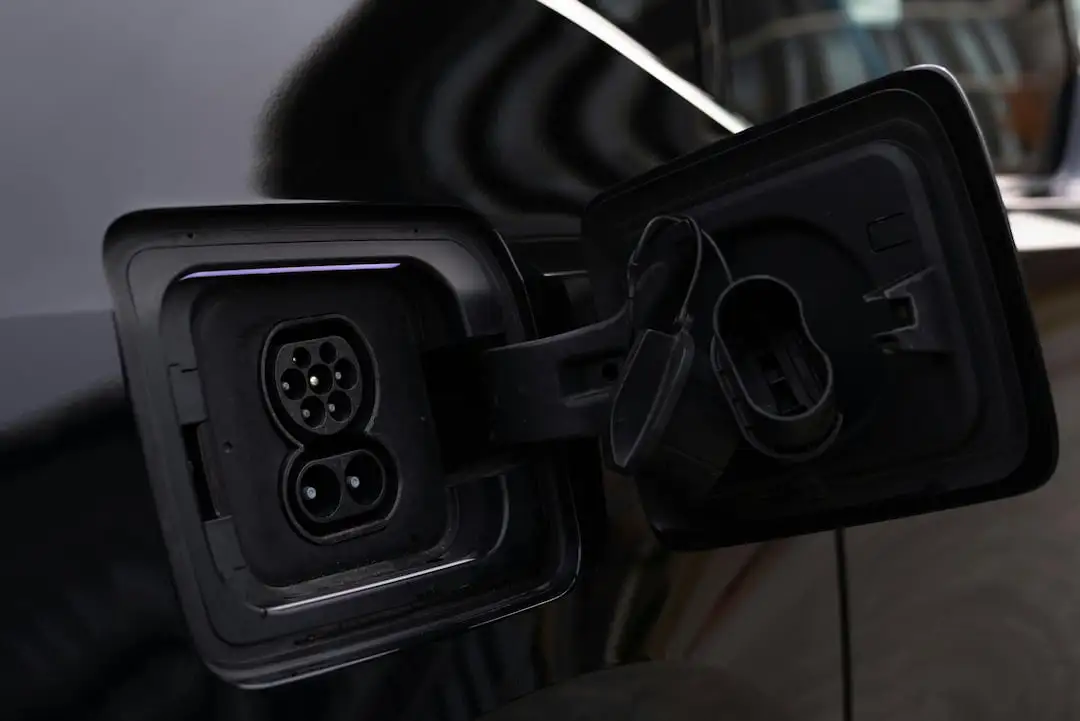
Electric vehicle (EV) owners enjoy a unique driving experience, defined by rapid acceleration, near-silent operation, and the satisfaction of reducing their carbon footprint.
But while the thrill of instant torque and eco-conscious driving is undeniable, it's important to remember that EVs, like any other vehicle, require regular maintenance to perform at their best.
Unlike internal combustion engine (ICE) vehicles, EVs have fewer moving parts. However, just like their petrol-powered counterparts, proper care of EVs can enhance your driving experience, maximise its lifespan, and help your EV retain its value over time.
For those currently driving EVs or those planning to switch over in the near future, let’s take a closer look at some essential maintenance tips.
How often do you need to maintain your EV?
The simpler mechanics of an electric motor means that they generally require less frequent maintenance than their petrol counterparts. However, regular checkups are still needed to address potential issues and ensure your EV is running at peak performance.
It is recommended that you send your EV for professional servicing every 10-12 months or after 10,000km to 12,000km driven.
While general guidelines for servicing intervals exist, the best way to determine your EV's maintenance schedule is to consult your owner's manual. EV battery manufacturers, along with car manufacturers, provide specific recommendations for each model.
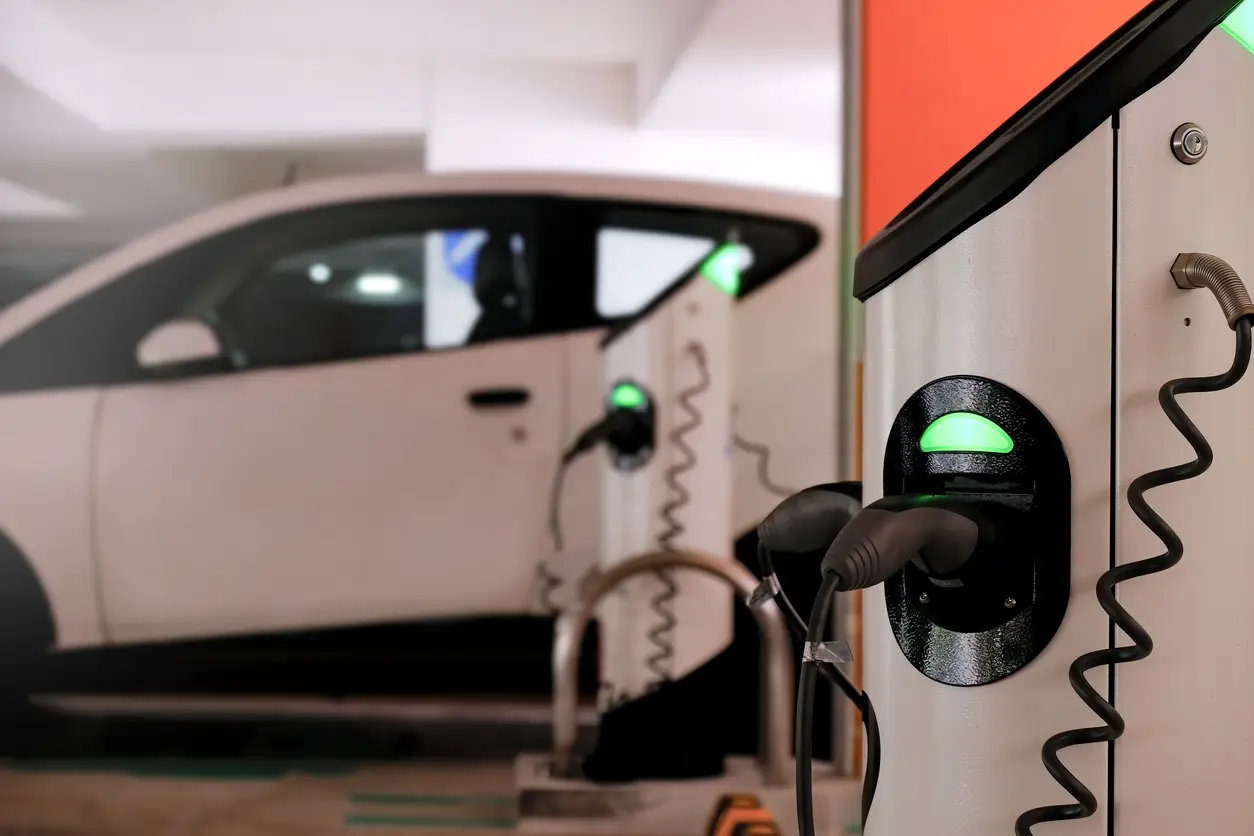
How to maintain your EV
1. EV battery maintenance
The battery is the heart of your EV, and its health directly impacts performance and lifespan:
- Avoid extreme temperatures: Extreme heat or cold can negatively impact battery performance and lifespan. Manufacturers design EV batteries to withstand a range of temperatures, but prolonged exposure to extreme conditions should be avoided.
- Charging best practices: Avoid consistently charging your battery to 100 percent or letting it drain to 0 percent. Most EV battery manufacturers recommend keeping the battery within the 20-80 percent range for daily use.
- Follow manufacturer recommendations: Adhere to the charging and storage guidelines provided in your owner's manual. This includes using the recommended charging equipment and avoiding prolonged periods of inactivity.
- Regular inspections: Schedule periodic battery inspections with a qualified technician to assess its health and identify any potential issues.
2. Brake maintenance
Regenerative braking is an ingenious feature in modern EVs that increase your battery range. Instead of relying solely on friction to slow the car, regenerative braking utilises the electric motor to convert the kinetic energy generated during deceleration back into electricity.
While this feature significantly reduces wear and tear on your brake pads and rotors, it doesn't eliminate it completely. You'll still use your traditional friction brakes to come to a complete stop and for emergency braking situations. Being vigilant about brake maintenance is every bit as important for EV owners as it is for petrol car owners.
Regular inspections of your brake pads, rotors, and fluid are necessary for performance and safety. Look out for any signs of wear and tear, such as squeaking or grinding noises, reduced responsiveness, or vibrations when braking.
For optimum safety, brake inspections should be carried out every 18 months to flush out and replace the brake fluid, as well as the brake pad if required. The inspection schedule can be moved up if your mileage is higher, with a general recommendation of every 30,000 km.
3. Fluids & lubricants in your EV
While you can say goodbye to oil changes, there are other fluids that need to be checked and topped up periodically.
- Coolant: Just like petrol cars, EVs have a coolant system to regulate the temperature of the battery and electric motor and prevent overheating. Coolant levels should be checked during your yearly servicing. It should only need to be replaced every few years.
- Brake fluid: Brake fluid is essential for proper brake function, and it should be checked and replaced. As mentioned above, a good rule of thumb is to have your brake fluid checked every 18 months or 30,000 kilometres.
- Other fluids: Depending on your EV model, there might be other fluids that require attention, such as transmission fluid (for models with multi-speed transmissions) or windshield washer fluid.
4. Update your EV software
Software plays a vital role in your EV's operation, impacting performance, efficiency, and safety features. Keeping your EV's software up-to-date is crucial.
Software updates often include bug fixes, performance enhancements, and even new features. Many EVs offer over-the-air (OTA) updates, making it easy to stay current. Alternatively, you can visit an authorised service centre to have the updates installed.
Protection beyond the basics with EV Insurance
Just like with regular cars, EV car insurance safeguards owners against unexpected incidents, providing them with financial protection and peace of mind.
Insurance policies such as Income’s eDrivo Car Insurance offer benefits specific to EV owners. Some of the key features include:
- Emergency Mobile Rescue1: If your car battery runs out of charge on the road, our service provider will arrive at the scene and provide DC fast charging up to 20% capacity so you can drive to the nearest charging station. Enjoy unlimited access to this service as a policyholder.
- Unlimited battery replacement: Get peace of mind with unlimited replacement for your battery2 in the event it is damaged in an accident.
- Cyber hacking coverage3: Protect your car against loss or damage due to malicious cyber acts.
- Loan Protection Cover: Up to $100,0004 of your outstanding car loan if death occurs from a car accident while you are in the insured vehicle.
- Coverage for loss of personal belongings, travel documents, hospital visitation, trauma counselling and more if you drive out of Singapore5.
- Up to $5,000 Public EV charging station6 coverage for the accidental damage caused by you or your authorised driver during charging.
- Get up to $2,000 medical expenses benefit if you, your passengers or authorised driver are injured in a car accident.
Embracing the electric future
While most EV owners might be glad to say goodbye to frequent oil changes and exhaust system repairs, this doesn’t imply a complete neglect of maintenance needs. EVs, despite their innovative technology and fewer moving parts, have unique needs that must be addressed. A little care goes a long way towards a smooth and rewarding ownership experience.
In this exciting era of electric mobility, securing insurance for your EV is more crucial than ever. Income's eDrivo Car Insurance goes beyond traditional coverage to provide financial security against the unique risks of EV ownership.
Discover how Income Insurance can empower your electric journey today.
1 Emergency Mobile Rescue
We are entitled to modify or alter the manner this service is delivered without notice.
The geographical coverage and contact details of our Emergency Mobile Rescue Service Provider is available on our website, which will be updated from time to time at our sole discretion.
This benefit is applicable to you for the period of insurance.
2 The battery replacement must be covered under Section 1 of the policy.
3 Cyber hacking by malicious act of gaining unauthorised access to your vehicle systems by any unauthorised person or entity.
4 Loan Protection Cover
If your vehicle is under a hire-purchase or leasing agreement, we will pay the hire-purchase company of your vehicle, any outstanding loan up to $100,000, upon your death of arising out of an accident while you are the driver of, or a passenger in, your vehicle.
We will not pay where the death:
- is caused by intentional self-injury or suicide.
- occurs after more than three (3) calendar months of the accident.
All other terms and conditions provided under this Policy is otherwise unchanged.
5 Outside of Singapore’s geographical limit includes West Malaysia and parts of Thailand within 80 km from the border of West Malaysia.
6 Liability for other property damage, injury or death to any third party is excluded. This benefit will not cover any consequential loss arising directly or indirectly from the damage to the public electric vehicle charging station, your vehicle or other vehicles.
This article is meant purely for informational purposes and does not constitute an offer, recommendation, solicitation or advice to buy or sell any product(s). It should not be relied upon as financial advice. Please seek independent financial advice before making any decision.
The precise terms, conditions and exclusions of any Income Insurance products mentioned are specified in their respective policy contracts. The policies are protected under the Policy Owners’ Protection Scheme which is administered by the Singapore Deposit Insurance Corporation (SDIC). Coverage for your policy is automatic and no further action is required from you. For more information on the types of benefits that are covered under the scheme as well as the limits of coverage, where applicable, please contact Income Insurance or visit the GIA/LIA or SDIC websites (www.gia.org.sg or www.lia.org.sg or www.sdic.org.sg).

Related Articles
Related Articles


