





Hiring a Maid for Your Ageing Relatives: 7 Eldercare Skillsets to Look For
Hiring a maid for ageing parents? Read our guide on the 7 vital eldercare skill sets to look for, from mobility assistance to specialised care.
Key takeaways
Caring for an elderly person often requires more than practical help. Patience, communication skills, and the ability to provide companionship are just as important.
If your loved one needs assistance with tasks like bathing, walking, eating, or getting to medical appointments, a helper with caregiving experience may be a better fit.
Before hiring a helper for elderly care, think about the level of support your loved one needs now and in the future, and be clear about the helper's responsibilities from the start.
Many families start looking into hiring a maid for elderly care when an ageing parent or relative begins to need extra support at home. At first, it may seem similar to hiring someone to help with household chores.
However, caring for an elderly person often involves much more than cleaning, cooking, or laundry.
Depending on the senior's needs, a helper may also provide personal care, mobility assistance, companionship, and day-to-day support.
How to decide what type of eldercare helper you need
Not every elderly person needs the same level of support. Some seniors remain active and independent well into their later years, while others may require assistance with everyday tasks.
Before you start looking for a helper, take some time to think about what your loved one needs on a typical day so you can find someone whose experience is a good match. Do also consider other eldercare options and their respective costs.
1. Seniors who are largely independent
If your parent or relative can move around safely on their own, manage their personal hygiene, and take their medication without reminders, they may not need full-time caregiving support.
In these situations, a helper may mainly assist with household tasks such as:
Cleaning and laundry
Grocery shopping
Meal preparation
Accompanying them on errands
Providing occasional companionship
For example, an elderly parent who still enjoys going for morning walks and preparing simple meals may simply need help with heavier household chores and daily upkeep.
2. Seniors who need help with everyday activities
As people age, some everyday tasks can become more difficult.
If your loved one needs regular help with activities such as:
Walking or moving around the home
Bathing and dressing
Feeding
Using the toilet
Attending medical appointments
It may be worth looking for a helper with prior caregiving experience.
A caregiver in this situation is not just helping around the house. They are also helping the senior stay safe, comfortable, and supported throughout the day.
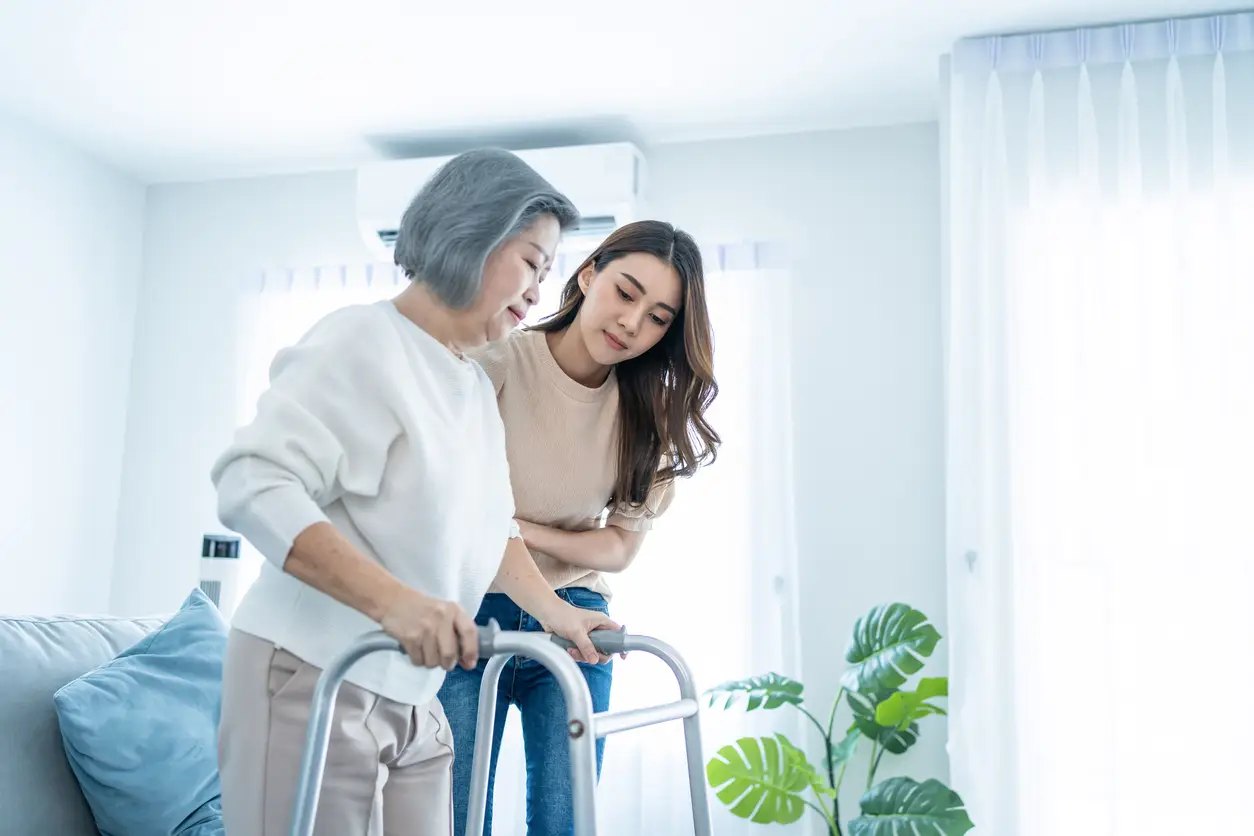
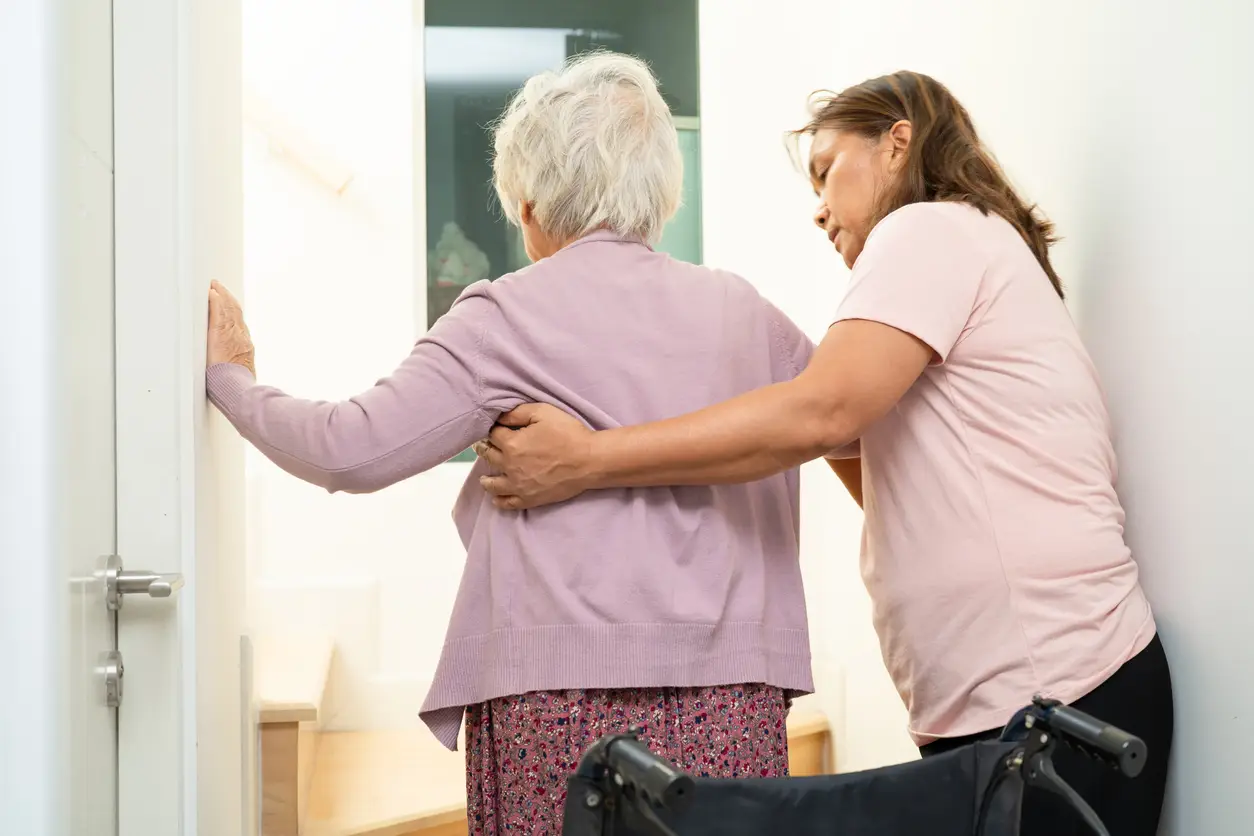
For example, a senior who has difficulty getting in and out of bed or who is at risk of falling may need a helper who understands safe mobility assistance and transfer techniques.
3. Seniors with medical or cognitive conditions
Some elderly individuals may require more specialised support because of medical or cognitive conditions.
Examples include:
Dementia
Parkinson's disease
Stroke-related disabilities
Significant mobility limitations
Chronic medical conditions that require close monitoring
These situations often involve challenges that go beyond physical assistance.
A senior with dementia, for example, may need reminders about daily routines, supervision for safety reasons, or reassurance when they become confused or anxious. Someone recovering from a stroke may require help with mobility and support when carrying out exercises recommended by their healthcare team.
Because these situations involve challenges that go far beyond basic physical assistance, it is highly recommended that your helper attends specialised eldercare training courses.
Take note medical treatment and physical rehabilitation must always be guided by qualified healthcare professionals.
Alternatively, consider hiring a private nurse if your loved one requires complex clinical care (such as wound dressing, injections, or fluid management) that goes beyond a domestic helper's scope.
7 essential questions to ask before hiring your eldercare domestic helper
Finding the right domestic helper in Singapore is making sure she is a good fit for your elderly family member's needs and daily routine.
Here are seven useful maid interview questions to ask during the process.
1. Have you cared for an elderly person before?
Previous caregiving experience can help a helper adapt more quickly to the role.
Ask what kind of support they provided, such as helping with bathing, mobility, meal preparation, or accompanying seniors to medical appointments.
It can also be useful to ask about specific situations they handled, as this gives you a better understanding of their actual caregiving experience.
What skill to look for: Relevant experience. Listen for specific details: Did they care for someone bedridden, wheelchair-bound, or fully mobile? This reveals their familiarity with different levels of care dependency.
2. Are you comfortable helping someone walk, move around, or get out of bed?
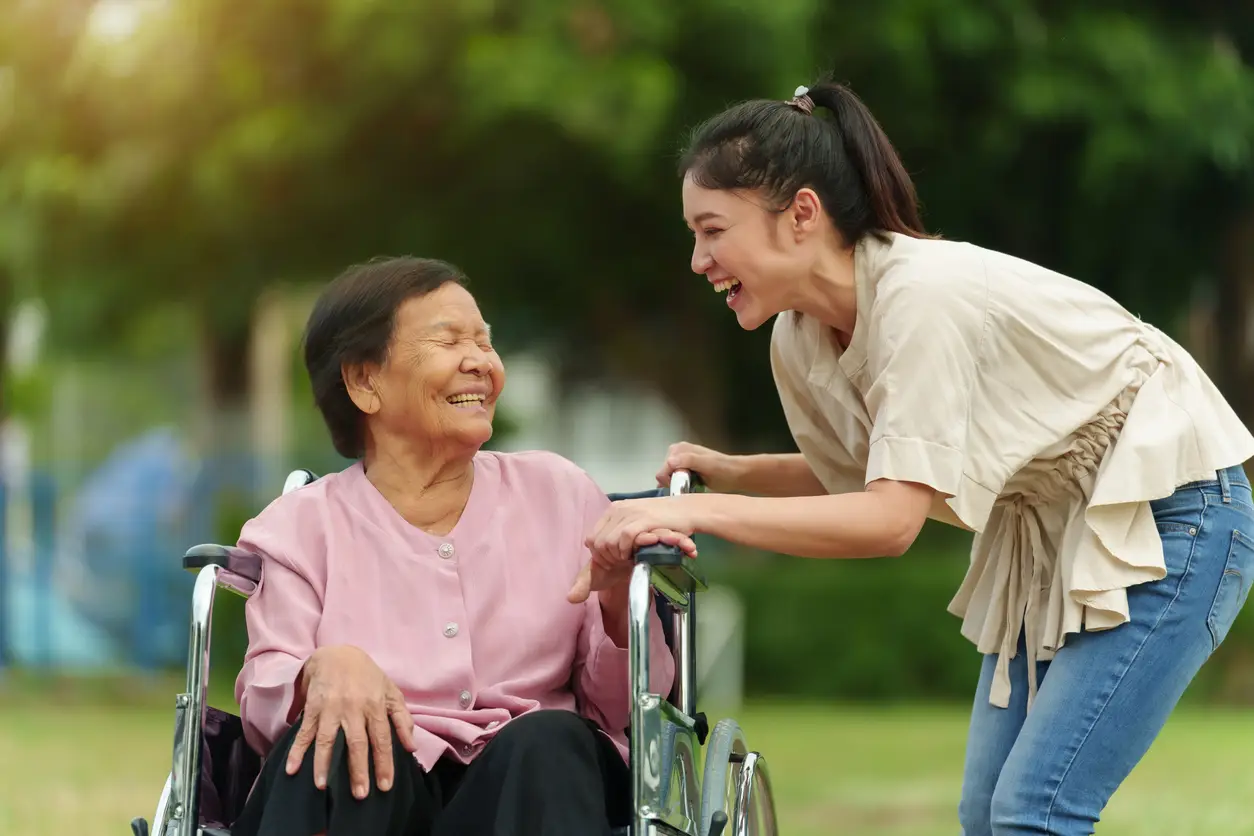
Most seniors will probably need physical assistance throughout the day, such as toileting and transferring from bed to wheelchair.
This question can help you understand whether the helper has experience with mobility support and feels confident handling these tasks safely.
What skill to look for: Safe transferring and physical safety. A qualified caregiving helper should be able to mention stabilizing the wheelchair, locking the brakes, and supporting the senior’s core or hips rather than pulling them by the arms.
3. Have you cared for someone with dementia or memory problems?
A helper with dementia care experience may be better prepared to handle forgetfulness, confusion, repetitive questions, or changes in behaviour. This can be especially important if your loved one has memory-related conditions or requires close supervision.
What skill to look for: Patience and de-escalation. Look for empathy and calm communication. A good caregiver knows not to argue with or correct a confused senior, but rather to redirect their attention gently.
4. What would you do if the elderly person fell or suddenly felt unwell?
While a domestic helper is not expected to provide medical treatment, it is useful to know whether they can stay calm, seek help quickly, and follow basic emergency procedures when needed.
What skill to look for: Emergency response and first aid awareness. You want a candidate who can articulate a clear, calm action plan: checking for consciousness, calling the employer/995 immediately, and staying with the senior without moving them abruptly if a fracture is suspected.
5. How would you handle a situation where the senior refuses to take their medication or eat their food?
Seniors may refuse food or medicine due to confusion, poor appetite, or difficulty swallowing. You want a helper who doesn't resort to force or immediately give up.
What skill to look for: Persuasion and creative problem-solving. Listen for proactive strategies: Will she try breaking meals into smaller, more manageable portions? Does she know to check if the food is too hot or hard to chew? Can she speak in a calm, encouraging tone rather than getting frustrated?
6. Have you received any formal caregiving training? Are you open to attending eldercare courses in Singapore?
Caring for an elderly person involves specific physical techniques that aren't always intuitive, such as proper ergonomic lifting to avoid back strains. A helper who has formal certifications (e.g., first aid, CPR, or specialised eldercare training from their home country) brings immediate value. However, a willingness to learn is just as crucial.
What skill to look for: Coachability & technical growth. If she is open to attending local caregiving courses, it shows she is serious about her role, values the safety of your loved one, and is eager to adapt to your household’s specific caregiving standards.
7. How would you balance caregiving duties with household chores during a typical day?
Many helpers are expected to handle both caregiving and light housekeeping. Asking how they would organise their day can help you understand how they would prioritise tasks when caregiving needs and household chores compete for attention.
The more openly these topics are discussed before hiring, the easier it is to find a helper who matches your family's needs and avoid misunderstandings later on.
You may also want to explore the differences between direct-hire and agency-hire helpers, as each option comes with different responsibilities and benefits.
What skill to look for: Prioritisation and time management. The candidate should clearly state that the senior’s safety and immediate care always come first, and that heavier housekeeping tasks (like deep cleaning or ironing) are done while the senior is napping or resting safely.
Don't overlook insurance protection
Remember that employing a helper also means ensuring the required insurance coverage is in place before they start work.
Income's Domestic Helper Insurance can help provide peace of mind with benefits such as:
Up to S$80,000 personal accident coverage1
Local and emergency overseas hospitalisation2 coverage for your helper (including COVID-193)
Coverage for pre-existing medical conditions3 if your helper is employed for more than 12 months in Singapore
Whether you are buying helper insurance coverage in Singapore for the first time or reviewing your existing policy, check that the coverage matches the responsibilities your helper will be taking on while caring for an elderly family member.
Frequently Asked Questions (FAQs) about hiring a helper for elderly care
1. What is the difference between a housekeeper & domestic helper?
A housekeeper mainly takes care of the home. Their work usually includes cleaning, doing laundry, cooking, and keeping the house tidy.
A domestic helper may do these tasks too, but some also help care for elderly family members. This can include preparing meals, helping with daily activities, accompanying them to medical appointments, and providing companionship.
2. How much does it cost to hire a maid for elderly care?
The cost depends on the helper's experience and whether you hire through an agency or directly. In general, a helper's monthly salary may range from about S$500 to S$800 or more. Employers should also budget for other one-time costs such as the levy, insurance, and agency fees if applicable.
If your elderly family member needs help with daily activities, you may qualify for a concessionary levy if you meet the qualifying criteria.
3. What's the difference between a maid and a caregiver?
A maid usually helps with household chores such as cleaning, cooking, and laundry. Some may also provide basic support to elderly family members.
A caregiver's main job is to look after a person's daily needs and wellbeing. This may include helping with bathing, dressing, eating, walking, medication reminders, and providing emotional support and companionship. Any medication administration or treatment decisions should follow instructions from the employer and relevant healthcare professionals.
4. Can a domestic helper care for a senior with dementia?
It depends on the senior's needs and the helper's experience. Look for previous caregiving experience and discuss how they would handle situations such as confusion, forgetfulness, or changes in behaviour.
If your loved one is in a severe stage of dementia, consider hiring a private nurse who can help with handling specialised medical equipment, wound dressing, administering injections, and monitoring vital signs.
1 The accidental death or permanent disability suffered by your helper due to an injury must happen within 12 months from the date of the accident. The amount of benefit payable is subject to the scale of compensation in the policy contract.
2 The final claim amount you will receive depends on the relevant pro ration factor applicable to the eligible hospital and surgical expenses being claimed. Please refer to the policy conditions for the pro ration factor table.
3 Covers pre-existing medical condition provided your domestic helper has been working in Singapore as a foreign domestic helper for more than 12 months in a row.
This article is meant purely for informational purposes and does not constitute an offer, recommendation, solicitation or advice to buy or sell any product(s). It should not be relied upon as financial advice. Please seek independent financial advice before making any decision.
The precise terms, conditions and exclusions of any Income Insurance products mentioned are specified in their respective policy contracts. The policies are protected under the Policy Owners’ Protection Scheme which is administered by the Singapore Deposit Insurance Corporation (SDIC). Coverage for your policy is automatic and no further action is required from you. For more information on the types of benefits that are covered under the scheme as well as the limits of coverage, where applicable, please contact Income Insurance or visit the GIA/LIA or SDIC websites (www.gia.org.sg or www.lia.org.sg or www.sdic.org.sg).

Related Articles

Related Articles


