





Roadtrip Ready: How Far Can Your Electric Car Really Go?
Plan your electric car road trip with confidence! Learn about EV range, tips for maximising distance & how eDrivo Car Insurance can protect your journey.
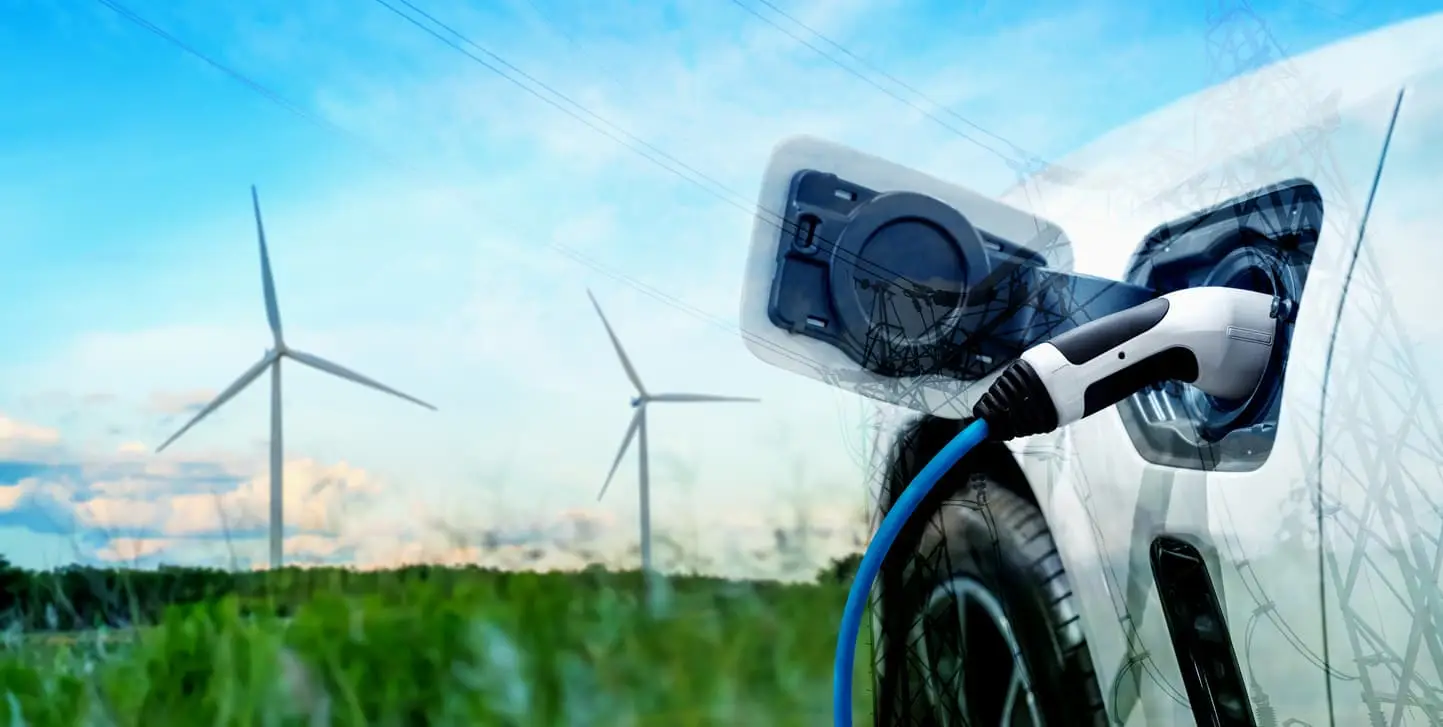
Electric cars are becoming increasingly popular in Singapore, and for good reason. They're environmentally friendly, quiet, and offer a smooth driving experience. But what about road trips? Can your electric car really take you the distance?
This guide explores the real-world range of electric vehicles (EVs), factors affecting battery life, and how to maximise distance per charge. We'll equip you with essential tips for long-distance travel in an electric vehicle, ensuring you can enjoy the journey without range anxiety. We'll also discuss how Income's eDrivo Car Insurance can protect your EV on your adventures.
What is the range of an electric car?
The "range" of an electric car refers to the distance it can travel on a single full charge. This varies widely across different models, primarily due to factors such as battery capacity, efficiency, and vehicle design. Additionally, factors like driving conditions and terrain can impact the range as well. Most modern EVs offer between 200 to 400 kilometres on a full charge, with newer models pushing these limits even further thanks to advancements in battery technology.
How far can an electric car go on a full charge?
In real-world driving conditions in Singapore, you can expect most electric cars to achieve a range of around 250 to 350 kilometres on a full charge. However, it's important to note that official manufacturer estimates may differ from actual experience due to the factors mentioned earlier.
How long does it take to fully charge your EV car battery?
Charging times for electric cars depend on the type of charger used:
- Public AC charger: Can take four to six hours for a full charge.
- DC fast charger: Can charge an EV to 80 percent in 30 to 60 minutes.
When planning your EV road trip, consider the availability and charging speeds of charging stations along your route to avoid unnecessary delays.
Factors affecting EV car battery range
Several factors can influence your electric car's battery range:
- Driving style: Smooth, steady driving conserves energy, while aggressive acceleration and braking consume more energy.
- Terrain: Hilly or mountainous terrain requires more energy, which can decrease the range.
- Weather: Extremely hot or cold temperatures affect battery performance, potentially reducing efficiency.
- Accessories: Running systems like air conditioning, heating, or entertainment features can consume additional power, shortening the distance you can travel.
- Battery age and health: Over time, battery capacity may decrease, leading to a reduced range.
By adopting efficient driving habits, planning your route carefully, and being mindful of external factors, you can maximise your EV's range before running out of battery.
EV car distances
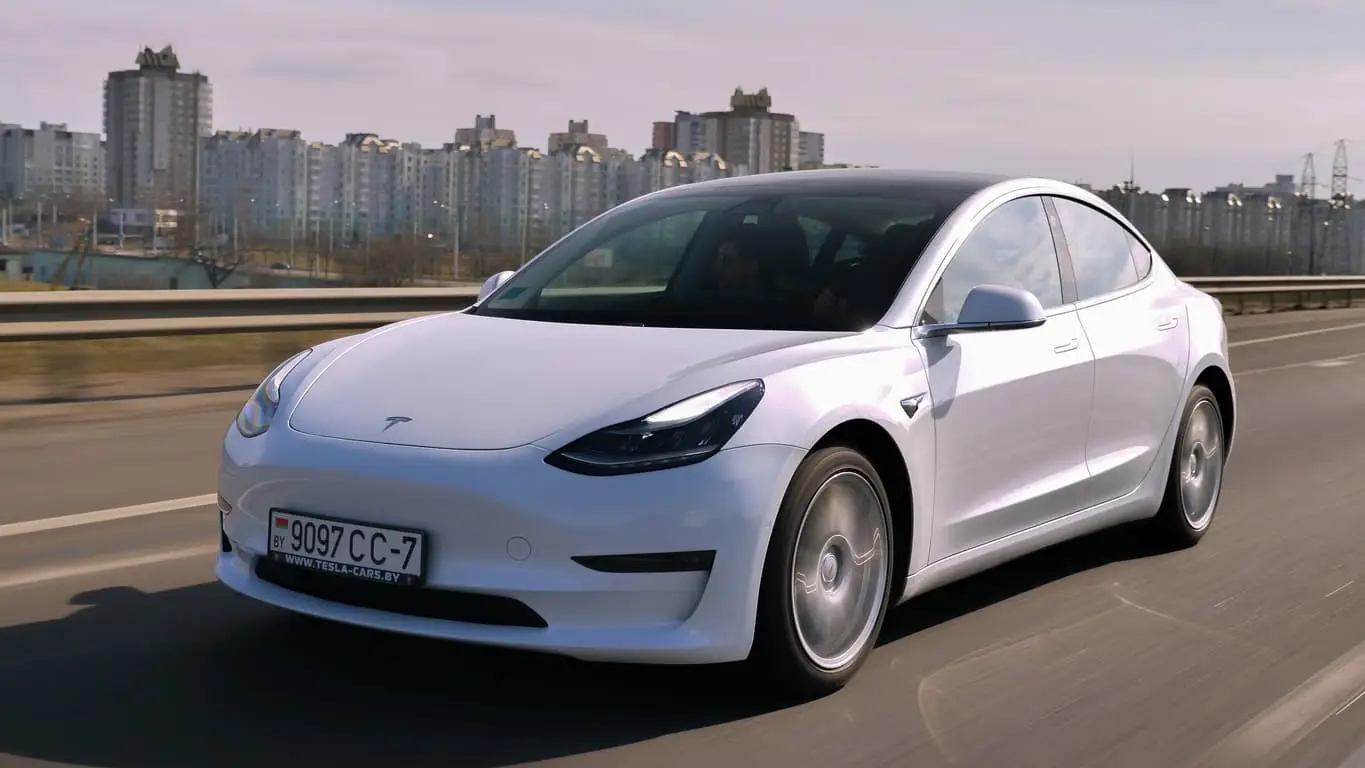
Here are examples of typical ranges for popular electric car models in Singapore:
| Brand & model | Distance range |
| Tesla Model 3 | Approximately 350-450km |
| Hyundai Kona Electric | Approximately 400-480km |
| Kia Niro EV | Approximately 380-460km |
| MG ZS EV | Approximately 320-400 km |
These figures provide a general idea of the distances you can expect to cover on a single charge under typical driving conditions.
Things to consider before your EV trip
Proper planning is essential for a smooth and enjoyable electric car road trip. Consider the following:
- Charging infrastructure: Research charging station locations along your route using apps or online resources. Consider charging speeds and availability at different locations. Plan your stops strategically to avoid running out of charge.
- Route planning: Factor in terrain and elevation changes, as they can affect energy consumption. Choose routes with ample charging opportunities, especially for longer journeys. Utilise navigation apps with EV-specific features to optimise your route and locate charging stations.
- Weather conditions: Extreme temperatures can impact battery performance. Plan for longer charging times in cold weather or reduced range in hot weather.
- Driving style: Adopt smooth driving habits to conserve energy. Avoid excessive acceleration and braking. Utilise regenerative braking to recapture energy.
- Vehicle preparation: Ensure your EV is in good condition before embarking on a long trip. Check tyre pressure and alignment for optimal efficiency. Pack light to reduce overall weight and improve range.
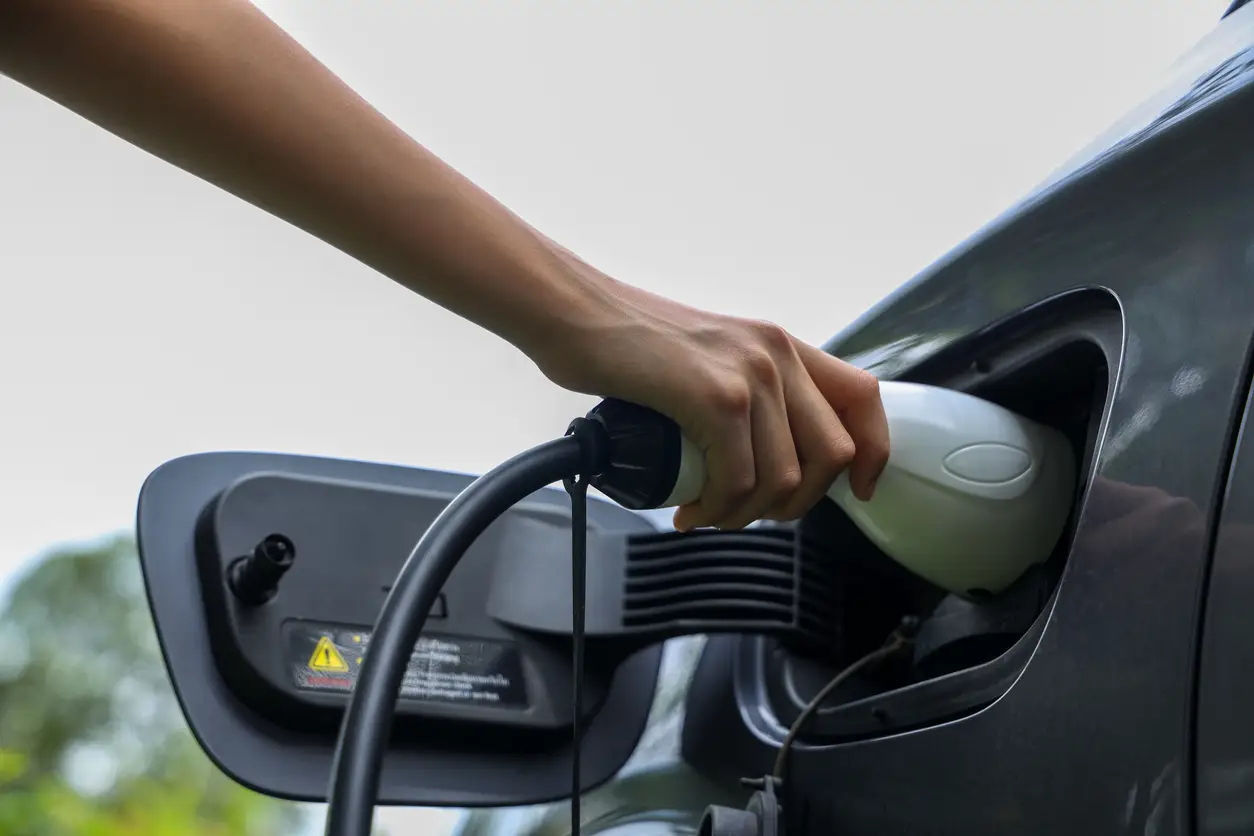
Stay protected with EV insurance
Comprehensive car insurance is essential for any electric vehicle owner, not just for road trips but for everyday peace of mind. Income’s eDrivo Car Insurance is designed specifically for electric vehicles, offering coverage for EV-specific risks like battery damage and charging equipment issues.
Here are some key benefits of eDrivo Car Insurance:
- Emergency Mobile Rescue1: If your car battery runs out of charge on the road, our service provider will arrive at the scene and provide DC fast charging up to 20% capacity so you can drive to the nearest charging station. Enjoy unlimited access to this service as a policyholder.
- Unlimited battery replacement: Get peace of mind with unlimited replacement for your battery2 in the event it is damaged in an accident.
- Cyber hacking coverage3: Protect your car against loss or damage due to malicious cyber acts.
- Loan Protection Cover: Up to $100,0004 of your outstanding car loan if death occurs from a car accident while you are in the insured vehicle.
- Coverage for loss of personal belongings, travel documents, hospital visitation, trauma counselling and more if you drive out of Singapore5.
- Up to $5,000 Public EV charging station6 coverage for the accidental damage caused by you or your authorised driver during charging.
- Get up to $2,000 medical expenses benefit if you, your passengers or authorised driver are injured in a car accident.
Take the first step towards protecting your electric vehicle today. Get a quote to ensure you have the right coverage for your electric journey with eDrivo Car Insurance!
1 Emergency Mobile Rescue
We are entitled to modify or alter the manner this service is delivered without notice.
The geographical coverage and contact details of our Emergency Mobile Rescue Service Provider is available on our website, which will be updated from time to time at our sole discretion.
This benefit is applicable to you for the period of insurance.
2 The battery replacement must be covered under Section 1 of the policy.
3 Cyber hacking by malicious act of gaining unauthorised access to your vehicle systems by any unauthorised person or entity.
4 Loan Protection Cover
If your vehicle is under a hire-purchase or leasing agreement, we will pay the hire-purchase company of your vehicle, any outstanding loan up to $100,000, upon your death of arising out of an accident while you are the driver of, or a passenger in, your vehicle.
We will not pay where the death:
- is caused by intentional self-injury or suicide.
- occurs after more than three (3) calendar months of the accident.
All other terms and conditions provided under this Policy is otherwise unchanged.
5 Outside of Singapore’s geographical limit includes West Malaysia and parts of Thailand within 80 km from the border of West Malaysia.
6 Liability for other property damage, injury or death to any third party is excluded. This benefit will not cover any consequential loss arising directly or indirectly from the damage to the public electric vehicle charging station, your vehicle or other vehicles.
This article is meant purely for informational purposes and does not constitute an offer, recommendation, solicitation or advice to buy or sell any product(s). It should not be relied upon as financial advice. Please seek independent financial advice before making any decision.
The precise terms, conditions and exclusions of any Income Insurance products mentioned are specified in their respective policy contracts. The policies are protected under the Policy Owners’ Protection Scheme which is administered by the Singapore Deposit Insurance Corporation (SDIC). Coverage for your policy is automatic and no further action is required from you. For more information on the types of benefits that are covered under the scheme as well as the limits of coverage, where applicable, please contact Income Insurance or visit the GIA/LIA or SDIC websites (www.gia.org.sg or www.lia.org.sg or www.sdic.org.sg).

Related Articles
Related Articles


