





The Real Cost of Vet Bills & Emergency Vet Care in Singapore
Stressed thinking about rising vet bills & emergency costs? Learn how to protect your savings & shield your pet with pet insurance.

Key takeaways
Vet bills can snowball quickly in Singapore as costs build up through diagnostics, treatments, and follow-up care.
Even minor symptoms may lead to multiple procedures, starting with vet consultation followed by tests, imaging, and medication.
Routine care like yearly checkups, pet dental cleaning cost, along with emergencies and chronic conditions, adds to long-term expenses.
Pet medical insurance helps cushion out-of-pocket costs, especially for surgeries, hospitalisation, and serious illnesses.
Starting coverage early improves protection, helping manage future conditions and reduce financial strain.
For many pet owners, the fun side of pet ownership comes first. The excitement of bringing a new companion home, the playful moments, and the little quirks that make them unique often take centre stage. In those early days, the novelty of having a pet can make it easy to overlook the deeper responsibilities that come with it.
Before long, something shifts. Pets are no longer just companions. They become family.
They settle into daily routines, shape weekends, and influence life decisions. And when something feels off, whether it is eating less, moving differently, or simply not behaving as usual, the instinct is immediate. A trip to the vet becomes non-negotiable.
What many pet owners do not expect, however, is just how quickly vet bills can snowball, especially given the rising vet cost Singapore households face.
What starts as a simple consultation can evolve into something far more complex, especially when conditions are chronic or progressive. A single visit can quietly expand into a long-term financial commitment.

In one real-life case reported in the news, a Singaporean couple’s French bulldog initially showed signs of skin allergies. It seemed manageable at first, something that could be treated with medication and routine visits.
But over time, the condition developed into a series of interconnected health issues. Skin allergies led to further complications. Prostate issues emerged. Eventually, spinal disorders required specialised care and long-term management.
None of these conditions existed in isolation. Each required its own set of diagnostics, treatments, and follow-ups. Each added another layer of cost, contributing to the rising vet cost Singapore pet owners are increasingly experiencing.
Over time, the total bill reached approximately S$60,000.
The financial impact was significant, but the emotional toll was just as heavy. Care became constant. Daily life revolved around medication schedules, vet visits, and monitoring. Time away from work became necessary. Despite every effort, the outcome was not what had been hoped for.
This is the often unspoken reality of pet ownership. Devotion is not only about joyful moments, but also about navigating prolonged uncertainty, emotional strain, and financial pressure.
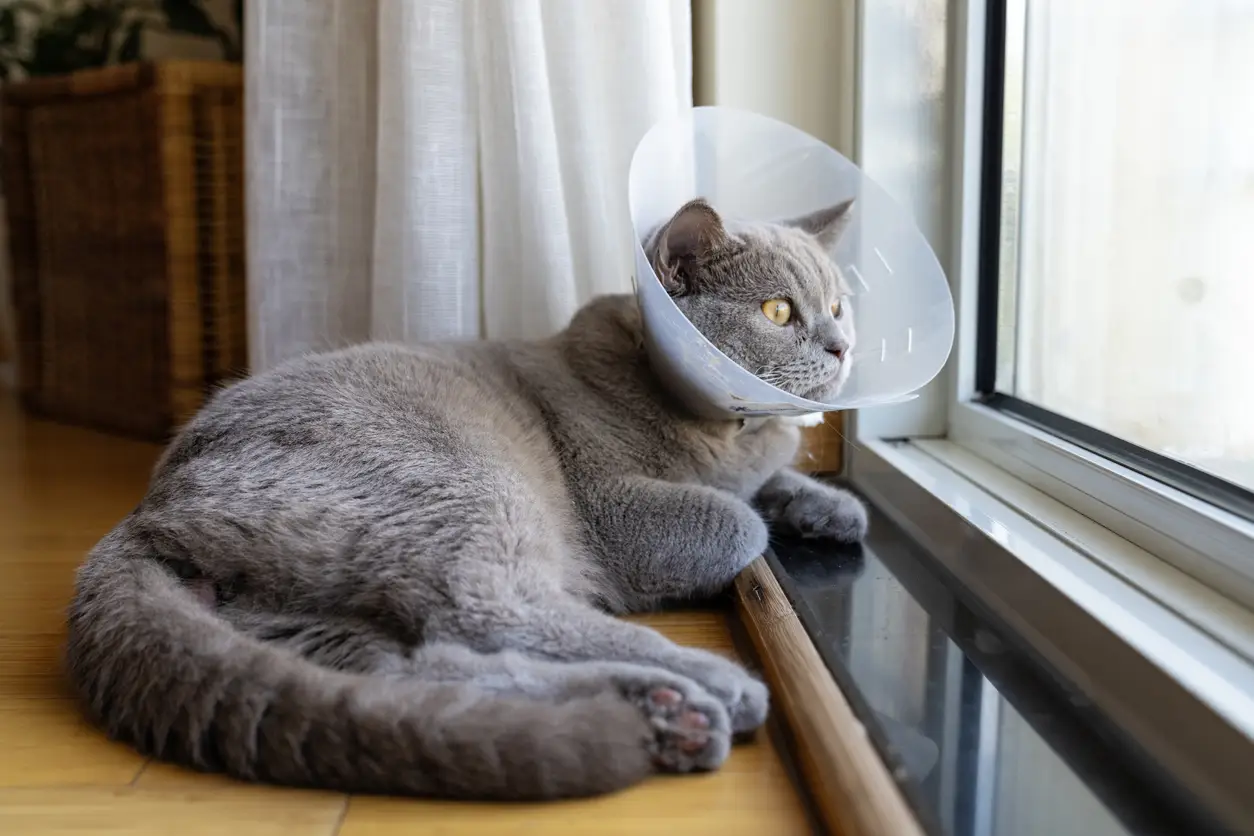
From minor symptoms to major expenses
To understand why vet bills may escalate so quickly, it is important to look at the broader ecosystem of veterinary care in Singapore.
Unlike human healthcare, there are no government subsidies or MediSave schemes for pets. Veterinary clinics operate as private businesses, relying on imported medical equipment, pharmaceuticals, and specialised tools. At the same time, there is a limited supply of veterinary professionals, combined with high operational costs.
These structural factors contribute directly to the rising vet cost Singapore pet owners encounter today. Beyond systemic costs, there is also the professional standard of care.
When a pet shows symptoms, even minor ones, veterinarians must rely on diagnostics rather than verbal feedback. Pets cannot explain what they are feeling, which means conditions must be investigated thoroughly to rule out serious issues.
What may appear to be a simple issue can quickly involve:
- Vet consultation fees that Singapore clinics charge
- Blood tests to identify underlying conditions
- X-rays or ultrasounds for deeper analysis
- Medication to manage symptoms
If results are inconclusive or point to something more serious, the next steps follow:
- Specialist referrals
- Advanced imaging
- Surgery or hospitalisation
- Ongoing monitoring and repeat tests
Each step may be medically necessary, adding to the overall bill.
This is where the snowball effect becomes most apparent. Costs build progressively rather than appearing all at once. What begins as a routine visit can evolve into a long-term treatment plan involving multiple layers of care.
Even routine procedures contribute to this accumulation. For example, pet dental cleaning cost in Singapore can range from a few hundred to over a thousand dollars, depending on the complexity of the procedure. Regular check-ups, vaccinations, preventive treatments, and vet consultation fees can further increase overall expenditure.
Emergencies accelerate this process significantly. Accidents or sudden illnesses often require immediate intervention, including hospitalisation, surgery, and intensive monitoring. With little time to prepare, these situations can drive up vet costs that Singapore pet owners must manage within a short timeframe.
Prepare for the unexpected with pet insurance in Singapore
While pet medical insurance doesn’t eliminate costs, the right coverage can help cushion out-of-pocket expenses for everything from routine diagnostics to major surgeries, especially when treatments stretch over time and costs begin to compound.
For example, Happy Tails Pet Insurance offers up to S$22,000 per policy year in coverage for clinical and surgical expenses1. This level of coverage provides a strong financial safety net, supporting everything from diagnostic tests and hospitalisation to complex surgeries. When dealing with chronic conditions or long-term treatment plans, higher annual limits can make a meaningful difference.
Another critical consideration is coverage for serious illnesses.
Conditions such as cancer are increasingly common among aging pets. Treatments like chemotherapy can be life-saving, but come with significant costs. Not all policies provide adequate coverage for such treatments, making it essential to review plan details carefully.
Happy Tails Pet Insurance includes chemotherapy coverage of up to S$5,000 per policy year1. This support helps ease the financial burden during what is often an emotionally challenging time for pet owners.
Convenience is another factor that becomes important during medical emergencies or planned procedures. Happy Tails Pet Insurance offers a cashless value-added service at Beecroft Animal Hospital, where no upfront cash deposit is required for scheduled surgeries2. This removes the immediate financial pressure of large upfront payments, allowing pet owners to focus on their pet’s care.
Together, these features address the key challenges associated with rising vet costs that Singapore pet owners face, particularly when expenses build over time.
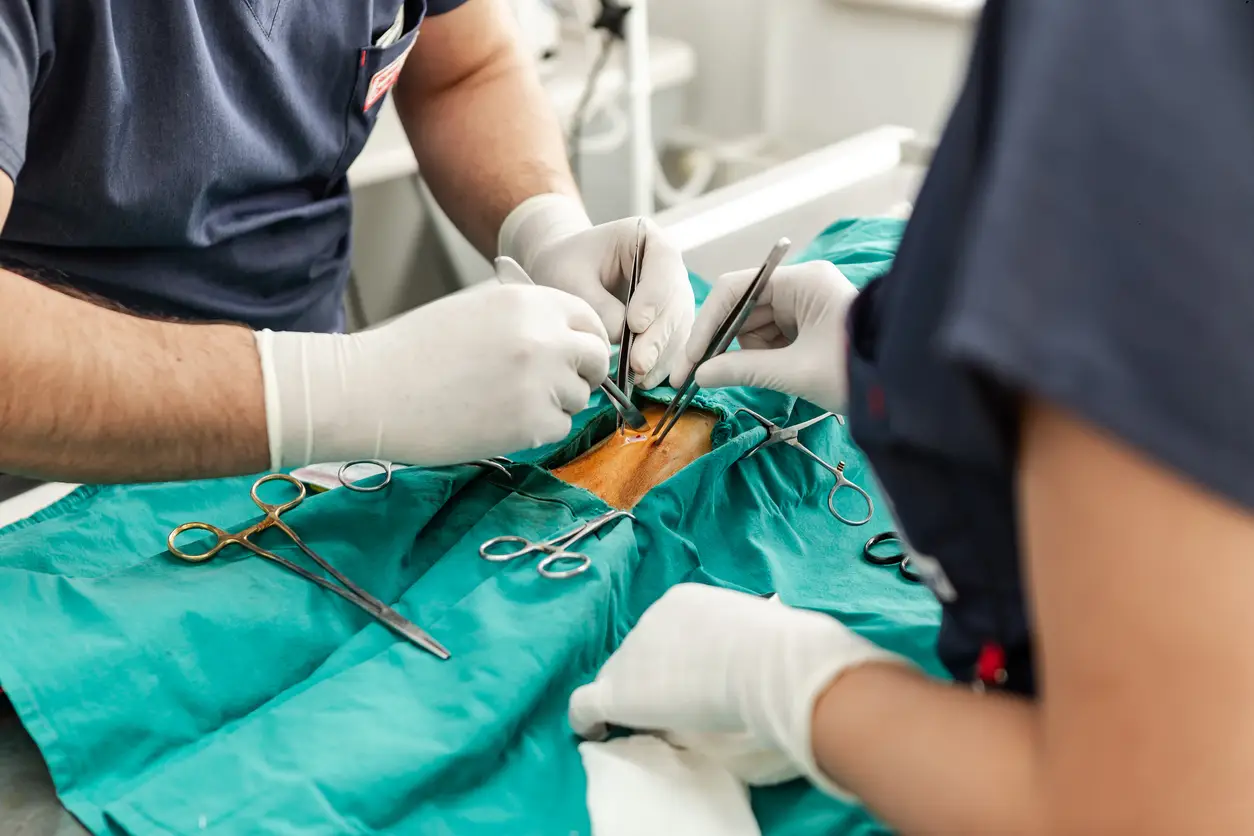
Be at ease financially & mentally while giving your pet the best treatment
Timing plays a crucial role in how effective pet medical insurance can be.
Most insurance plans do not cover pre-existing conditions. This means that once symptoms appear or a diagnosis is made, certain treatments may no longer be eligible for claims. Waiting until a health issue arises can significantly limit coverage.
This is particularly relevant for hereditary and congenital conditions, such as hip dysplasia, heart disease, or spinal disorders. These conditions may not present early in a pet’s life, but when they do, they often require extensive and ongoing care.
Starting coverage early helps to:
- Increase the likelihood that future conditions are covered
- Protect against unexpected illnesses or accidents at any stage of life
- Ensure continuous coverage as pets age
In many cases, early planning is what determines whether long-term veterinary care remains financially manageable.
Pet ownership is a long-term financial commitment
Costs accumulate over time through:
- Routine care
- Preventive treatments
- Unexpected illnesses
- Chronic conditions
Over time, these costs can start to overlap, adding up in ways that are hard to anticipate. What might feel manageable at first can become overwhelming when several health needs arise at once.
Without a plan in place, this financial pressure may make tough decisions even harder. Pet owners may find themselves torn between what their pet needs and what they can afford, an emotional burden no one wants to face.
Pet medical insurance eases financial stress, letting owners focus on their pet’s wellbeing. Decisions can follow veterinary advice rather than cost limitations, leading to timelier treatment, better outcomes, and peace of mind.
Ultimately, preparing for veterinary expenses is part of responsible pet ownership. Pets, like humans, require increasing levels of care over time. And with the advances in care, pets are living even longer than expected. As members of the family, their wellbeing depends not only on daily attention, but also on the ability to support them through more serious health challenges throughout their life.
Understanding how vet bills can add up is the first step. Preparing for them is what makes the difference.
For pet owners looking to better manage vet costs, exploring pet medical insurance options can provide both financial protection and peace of mind. Explore our pet medical insurance in Singapore and keep that tail wagging to learn how coverage can help cushion your out-of-pocket expenses and support your pet through every stage of life.

Frequently Asked Questions on vet costs in Singapore
1. Why are vet bills & consultation fees so high in Singapore?
Unlike human healthcare in Singapore, veterinary care receives no government subsidies or MediSave support. Clinics operate as private businesses with high overheads, relying heavily on imported diagnostic equipment, specialised tools, and pharmaceuticals.
Additionally, because pets cannot verbally communicate their symptoms, veterinarians must use comprehensive blood tests, X-rays, and ultrasounds to accurately diagnose underlying health conditions.
2. How much does a typical pet dental cleaning cost in Singapore?
The cost of pet dental cleaning in Singapore generally ranges from a few hundred dollars to over S$1,000. The wide price range depends heavily on the size of the pet, the complexity of the procedure, whether tooth extractions are required, and the cost of general anesthesia and pre-dental blood work.
3. How do minor symptoms like skin allergies turn into major vet expenses?
In veterinary medicine, minor symptoms can trigger a "snowball effect". For example, an initial skin allergy can cause secondary bacterial infections, which might stem from or lead to internal complications like prostate issues or immune deficiencies.
Treating interconnected, chronic, or progressive conditions requires ongoing specialist consultations, advanced imaging, targeted medications, and routine monitoring, which can easily accumulate into bills reaching thousands of dollars over a pet's lifetime.
1 Based on Income’s Happy Tails Pet Insurance Furrific Plan. Policy T&Cs apply.
2 Co-insurance and deductible apply. Policy T&Cs apply.
This article is meant purely for informational purposes and does not constitute an offer, recommendation, solicitation or advice to buy or sell any product(s). It should not be relied upon as financial advice. Please seek independent financial advice before making any decision.
The precise terms, conditions and exclusions of any Income Insurance products mentioned are specified in their respective policy contracts. The policies are protected under the Policy Owners’ Protection Scheme which is administered by the Singapore Deposit Insurance Corporation (SDIC). Coverage for your policy is automatic and no further action is required from you. For more information on the types of benefits that are covered under the scheme as well as the limits of coverage, where applicable, please contact Income Insurance or visit the GIA/LIA or SDIC websites (www.gia.org.sg or www.lia.org.sg or www.sdic.org.sg).

Related Articles



Related Articles


