




Elderly Home Safety Checklist: What to Prepare in Your Parents' Home
Preparing your elderly parents' home for extra support? Here's what to set up before your helper or caregiver arrives to keep them safe.
Key takeaways
Most falls among the elderly in Singapore happen at home, so preparing the physical space is one of the most effective things you can do before a helper or caregiver takes on a caregiving role.
Key areas to prepare include bathroom safety, lighting, mobility aids, decluttering, medication organisation, emergency contacts, and a clear care routine for whoever is assisting your parents.
A helper's eldercare duties go beyond chores. Mobility assistance, medication reminders, and accompanying your parents to appointments are common parts of the role.
Insuring your helper is part of being prepared, since hospitalisation, accidents, and other unexpected events can disrupt the caregiving arrangement you've set up.
Bringing in a domestic helper to support your elderly parents is often the right decision for the whole family, but the home itself needs to be ready for that extra support too.
A space that worked fine for years can quickly become a hazard once mobility, vision, or balance start to decline.
This guide walks through seven practical things to prepare in your elderly parents' home before your helper steps into a caregiving role.
Accessibility modifications
To prevent falls and support independent movement, prioritise changes to high-risk areas in the house. Have a think on where your elderly parents spend the most time (most likely the route from the bed to the bathroom) and focus your modifications on those high-traffic zones first.
1. Bathroom safety upgrades
The bathroom is one of the most common places where falls happen, due to wet floors, slippery tiles, and the physical effort needed to get in and out of a tub or shower.
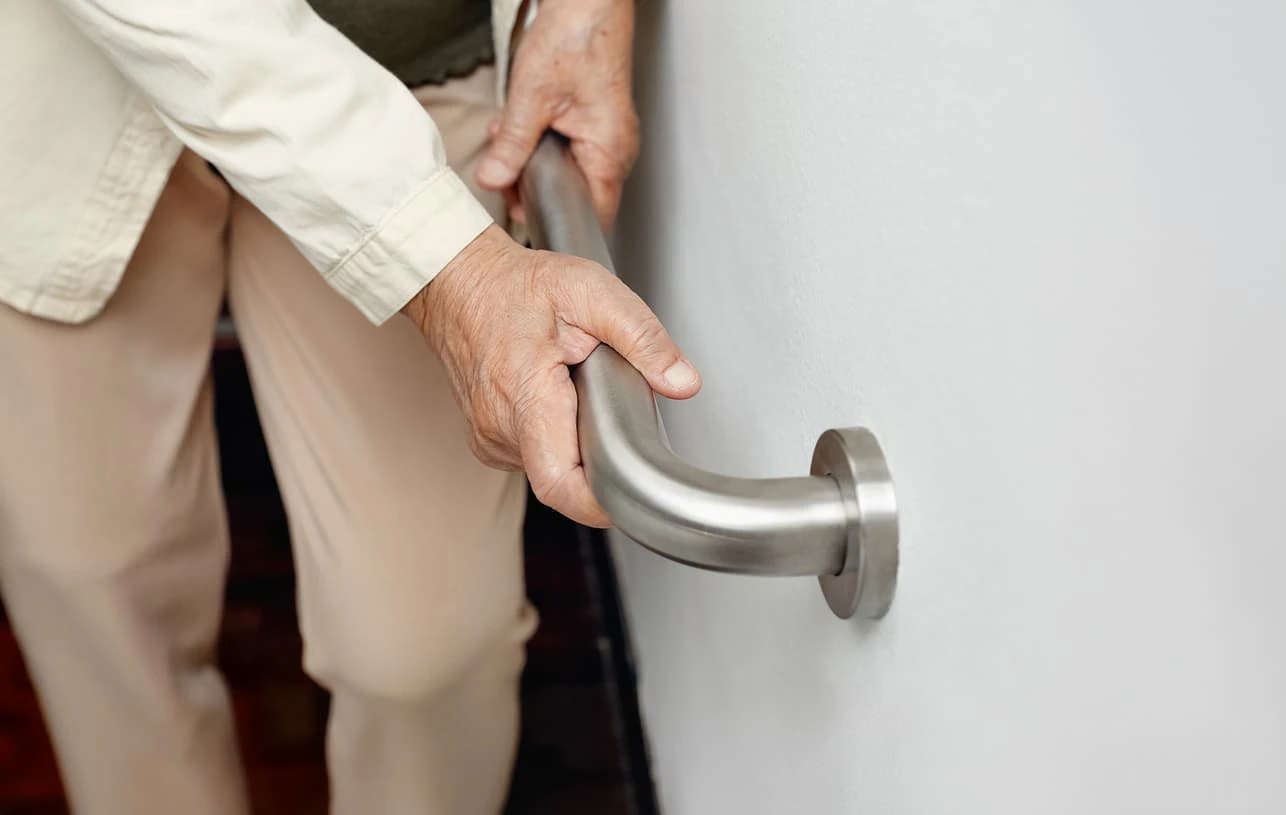
Installing grab bars near the toilet and shower, using non-slip mats, and considering a shower seat can make a significant difference.
If your parents use a bathtub, a conversion to a walk-in shower is worth considering for the long term, though even simple, low-cost changes like non-slip mats go a long way in the meantime.
2. Comprehensive home lighting
Dim lighting is another common yet overlooked causes of falls among the elderly. Ensure hallways, staircases, and the path to the bathroom are well lit, especially at night.
Nightlights in hallways and bathrooms help your parents move around safely after dark without needing to fumble for a light switch. Motion-sensor lights are also a useful option for areas they pass through frequently, such as the route from the bedroom to the bathroom.
3. Walkway clearance & decluttering
Clear, unobstructed paths allow seniors to move freely.
Walk through the home and clear pathways between rooms, secure loose rugs with non-slip backing, and tuck away cords that cross walking areas.
Rearrange furniture to create wide, direct pathways between the bedroom, living room, and bathroom.
4. Mobility support & layout optimisation
If your parents use a cane, walker, or wheelchair, make sure the home layout accommodates this. Installing handrails along hallways and staircases, not just inside the bathroom, gives extra support in areas where a fall is more likely.
If mobility has become a concern recently, it may also be worth consulting an occupational therapist, who can recommend specific modifications based on your parents' actual movement patterns at home.

Medical management & emergency preparedness
Setting up clear health routines keeps medicine safe and helps family or caregivers act fast in an emergency.
1. Medication organisation & storage
Keep medications organised and clearly labelled.
A pillbox organised by day and time, paired with a written list of medications, dosages, and timing, makes it far easier for a helper to manage this responsibly. This reduces the risk of missed doses or accidental double dosing, something a helper may need to assist with daily.
Store all medications in a safe, consistent location, and make sure your helper understands which medications need to be taken with food, and which ones require special handling.
2. Emergency protocols & daily care schedules
Centralise critical information where family members and caregivers can access it instantly.
Post an easy-to-read list of emergency contacts, including your parents' doctor, nearest hospital, and immediate family members, somewhere visible like the refrigerator or near the home phone. Include any specific medical conditions or allergies your parents have, so a helper or first responder has this information immediately if needed.
It's also worth writing out a simple daily care routine, covering meal times, medication schedules, and any specific instructions, so the arrangement runs smoothly even if you are not around to walk your helper through it each day.
Caregiver/Helper readiness
Preparing the home environment also means preparing the domestic helper or caregiver assisting your parents.
1. Onboarding & eldercare skill alignment
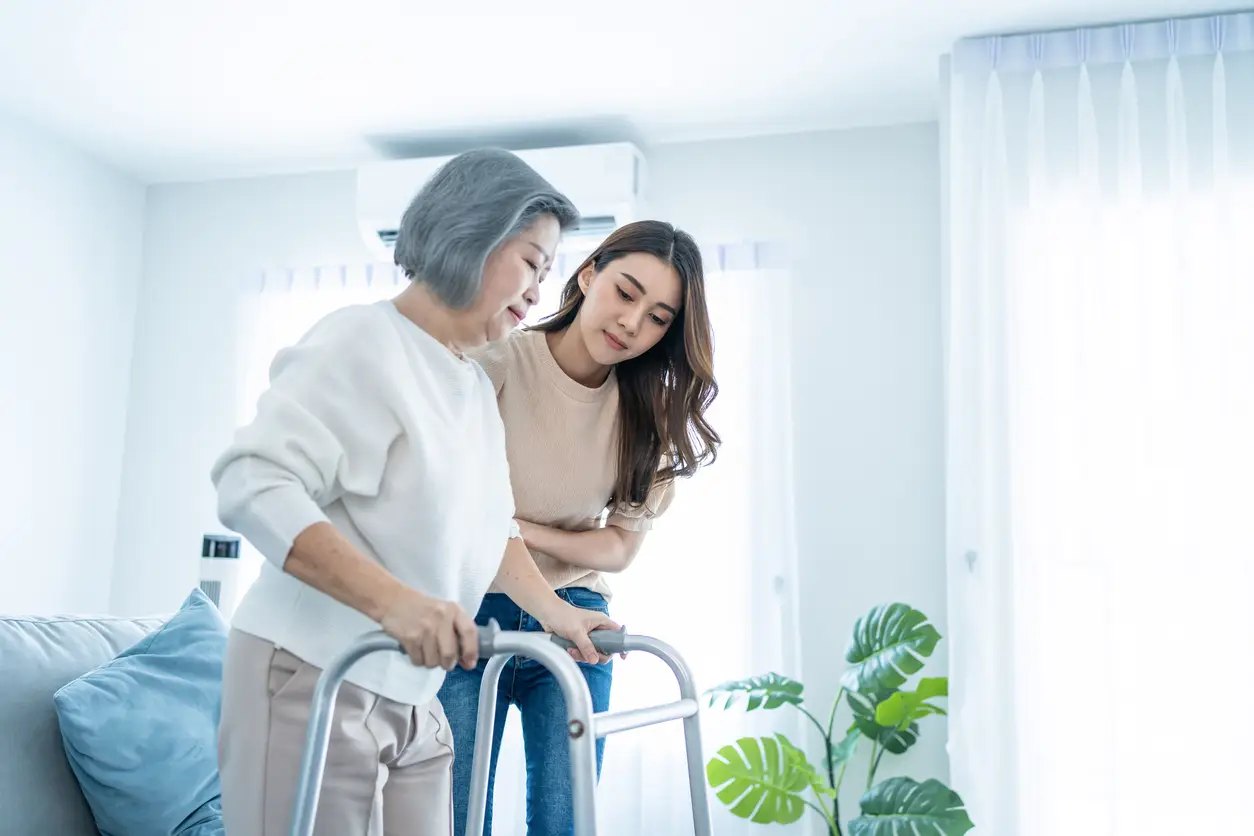
Eldercare often involves more than household chores. Mobility assistance, help with bathing, meal preparation, and accompanying your parents to medical appointments are common parts of the role, but not every helper arrives with this experience.
Before engaging your helper, assess her comfort and experience level with physical transfer techniques and senior care. Check out our guide on eldercare skill sets to help you check whether your helper is a good fit and whether eldercare-specific training is worth considering.
Don't forget about your maid's insurance. A sudden illness, injury, or hospitalisation involving your helper can disrupt the support your parents rely on, often without much warning.
Income's Domestic Helper Insurance offers the following benefits:
- Local and emergency overseas hospitalisation1 coverage for your helper (including COVID-192).
- Protect your helper with up to $80,000 personal accident coverage3.
- Claim wages compensation if your helper is hospitalised or on hospitalisation leave and is unable to carry out her duties (up to 30 days). Available for Standard or Enhanced Plan.
Once she's in your household, have a clear conversation about what is expected.
Frequently Asked Questions (FAQs) on elderly home safety
1. What is the most important thing to prepare in an elderly parent's home?
Bathroom safety and adequate lighting are typically the highest priorities, since most falls among the elderly happen at home, often in the bathroom or in poorly lit areas like hallways and staircases at night.
2. Does a domestic helper need special training for eldercare?
Not always, but it helps. If your loved one needs assistance with bathing, mobility, or medical appointments, a helper with caregiving experience or eldercare-specific training will generally be better equipped than one without it. There are also other elderly care options in Singapore worth considering if a domestic helper isn't the right fit for your situation.
3. What tasks can a domestic helper help with for elderly care?
Common tasks include meal preparation, medication reminders, mobility assistance, accompanying your parents to medical appointments, and general companionship. Clinical procedures such as wound dressing or administering injections should be handled by a qualified healthcare professional, not the helper.
4. Is domestic helper insurance required if my helper is caring for elderly parents?
Yes, maid insurance is compulsory regardless of the helper's specific duties. Employers must provide at least S$60,000 in medical insurance coverage, S$60,000 in personal accident coverage, and a S$5,000 security bond (except for Malaysian helpers) to meet MOM requirements.
5. What happens if my helper is hospitalised while caring for my elderly parents?
maid insurance plans cover hospitalisation expenses for the helper herself. Some plans also offer wages compensation if your helper is unable to carry out her duties due to hospitalisation, which can help offset the cost of arranging temporary care.
6. How do I make sure the home stays safe as my parents' needs change over time?
Revisit the home setup periodically, especially after any change in your parents' mobility, vision, or health. What worked a year ago may no longer be sufficient, so it's worth reassessing bathroom safety, lighting, and mobility aids every so often rather than only once.
1The final claim amount you will receive depends on the relevant pro ration factor applicable to the eligible hospital and surgical expenses being claimed. Please refer to the policy conditions for the pro ration factor table.
2For cover on inpatient hospital and surgical expenses only. Please refer to the policy conditions for more details.
3 The accidental death or permanent disability suffered by your helper due to an injury must happen within 12 months from the date of the accident. The amount of benefit payable is subject to the scale of compensation in the policy contract.
This article is meant purely for informational purposes and does not constitute an offer, recommendation, solicitation or advice to buy or sell any product(s). It should not be relied upon as financial advice. Please seek independent financial advice before making any decision.
The precise terms, conditions and exclusions of any Income Insurance products mentioned are specified in their respective policy contracts. The policies are protected under the Policy Owners’ Protection Scheme which is administered by the Singapore Deposit Insurance Corporation (SDIC). Coverage for your policy is automatic and no further action is required from you. For more information on the types of benefits that are covered under the scheme as well as the limits of coverage, where applicable, please contact Income Insurance or visit the GIA/LIA or SDIC websites (www.gia.org.sg or www.lia.org.sg or www.sdic.org.sg).

Related Articles
Related Articles


