





Chronic Pelvic Pain in Women: Causes, Symptoms & Treatment Options
Learn what causes chronic pelvic pain in women, how to recognise key symptoms, & treatment options from one of Income's specialist panels and preferred partners.

Serene (not her real name) is 38 years old and has become remarkably skilled at appearing well. Each morning begins the same way: preparing her children for school, taking the lift down from her HDB block, walking through the void deck, and joining the peak-hour crowd on the East-West Line.
Through it all, the pelvic pain remains. Sometimes it is a dull, persistent ache. Other times it intensifies without warning, whether she is on the MRT, sitting at her desk, eating at a hawker centre, or carrying groceries home from the wet market.
She followed every piece of advice she received: Attending appointments at her polyclinic, consulting gynaecologists, and undergoing scans and blood tests. Time after time, the results were reported as unremarkable. Gradually, the discussion shifted from finding answers to managing stress or accepting a condition that simply had to be endured.
If this sounds familiar, you may recognise that the exhausting part is not just the pain. It is the gradual feeling of no longer being believed.
But normal imaging does not mean the pain is in your head. It simply indicates that the source lies beyond what a standard scan was designed to see.
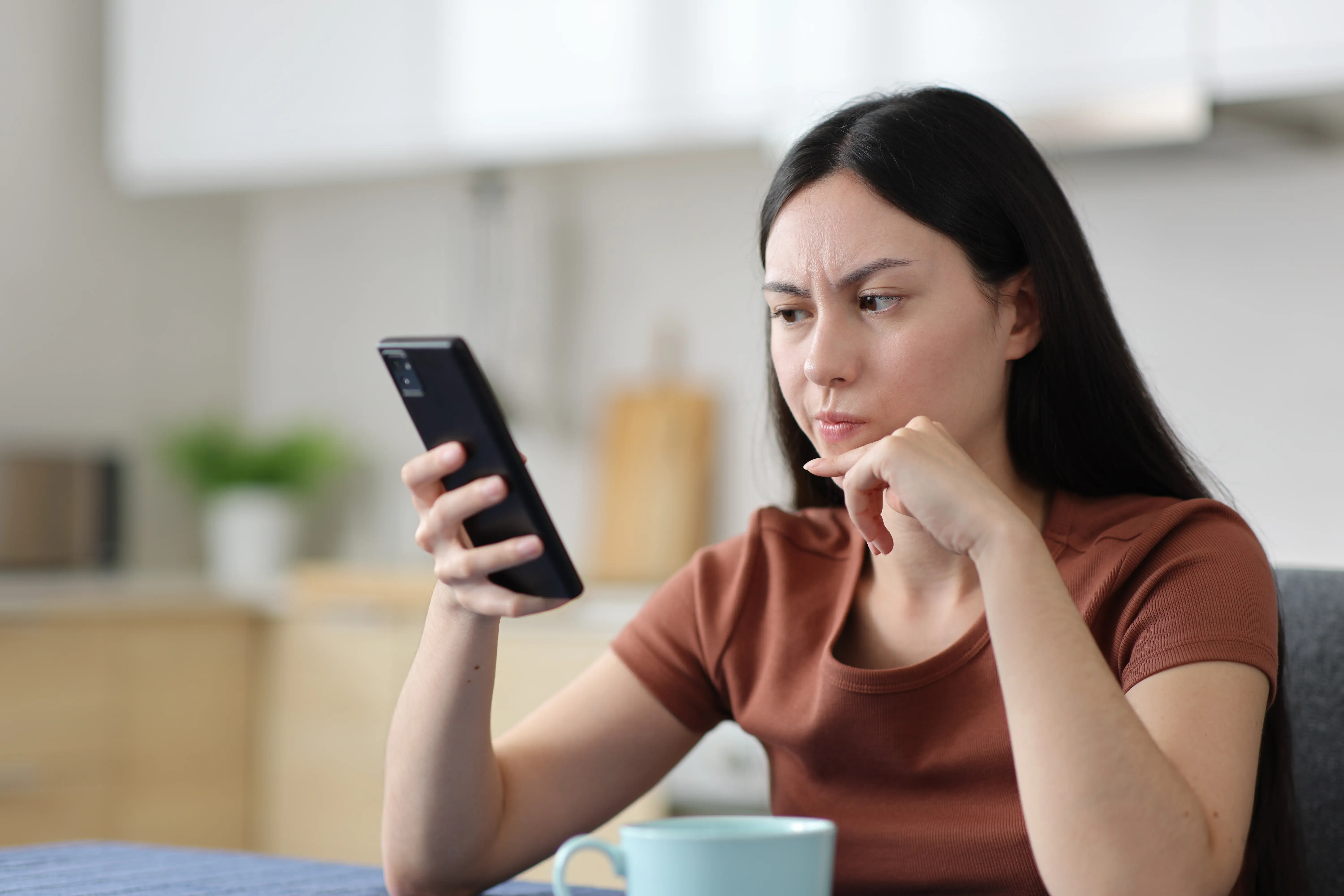
Why does chronic pelvic pain get dismissed when scans look normal?
Chronic pelvic pain is often overlooked because conventional investigations primarily search for structural abnormalities.
When those investigations fail to identify a visible cause, it may appear that there is little left to diagnose or treat.
However, normal imaging does not prove the absence of a genuine problem. It simply indicates that the source lies beyond what standard scans were designed to detect.
While conditions like endometriosis or fibroids may serve as the initial trigger, pain that persists beyond three to six months can develop into a condition in its own right, driven by a sensitised nervous system rather than a single structural abnormality.
This is known as central sensitisation. As pain continues over time, the nerves and spinal pathways responsible for transmitting pain signals can become increasingly reactive, allowing symptoms to persist despite clear imaging. The pain is genuine and has a biological basis1, 2.
Dr Diana Chan Xin Hui, an interventional pain specialist from one of Income's specialist panels and preferred partners said: "Many women reach me have already been told the pain is all in their mind, because no scan explains it. But pain you cannot see is still real. Once we look at the nerves carrying it, there is almost always something we can work on, and real reason for hope."
What conditions cause chronic pelvic pain in women?
Chronic pelvic pain can develop from a range of conditions, and in some cases several factors coexist.
In pain medicine practice, two frequently presentations are:
- Chronic pelvic pain: Pain persisting without an active structural cause. Chronic pain conditions are more common among women than men.
- Endometriosis-related pain: Endometriosis, in which tissue resembling the lining of the womb grows outside the uterus, affects approximately one in ten women of reproductive age. Pain associated with endometriosis may persist even after surgery or hormonal treatment.

Treatment options for chronic pelvic pain
Since pain is driven by the nervous system, treatment shifts from searching for a structural cause to calming an overactive pain system.
One treatment option is a nerve block, where medication is delivered around specific nerves to interrupt pain signalling. For women whose investigations appear normal, a nerve block may form part of a broader treatment strategy.
For years, Serene moved between medical appointments without anyone bringing these elements together into a single explanation3, 4. But now, she can regain the ordinary parts of life that pain has steadily restricted4, 5 and the realisation that her symptoms had a recognised explanation and treatment brought clarity after years of uncertainty6, 7.
However, do note that pain medicine does not promise complete elimination of every symptom.
Rather, it offers a realistic approach aimed at reducing pain, improving coping strategies, and helping people participate more fully in daily life.
Does earlier treatment lead to better outcomes?
Yes, the nervous system possesses neuroplasticity, the ability to adapt over time.
When chronic pain is left unaddressed, sensitised pain pathways become more deeply ingrained and complex to treat. Addressing symptoms sooner may help reduce this process before pain pathways become deeply ingrained.
Pain medicine focuses on measurable improvement: reducing pain intensity, enhancing coping strategies, and restoring your ability to participate fully in daily life.
Women may consider specialist assessment when pelvic pain has lasted several months, affects daily activities, or continues despite previous treatment.

Frequently Asked Questions (FAQs) about chronic pelvic pain treatment
1. Why does my pelvic pain keep getting dismissed?
Pelvic pain is frequently overlooked when scans and investigations fail to identify structural disease, creating the impression that there is no underlying problem. However, persistent pain can be maintained by a sensitised nervous system.
A pain specialist in evaluates the nerves involved in generating pain rather than focusing exclusively on structures visible on imaging.
2. Can chronic pelvic pain be treated if my scans look normal?
Yes. Clear scans often suggest that the pain originates from the nervous system rather than a structural abnormality that imaging can detect. Treatments such as nerve blocks are designed to calm the involved nerves. Many women experience meaningful improvements in function and quality of life despite normal investigation results.
3. What's the difference between a gynaecologist and a pain specialist for pelvic pain?
A gynaecologist focuses on the reproductive organs, hormonal management, and surgical treatment where appropriate.
Meanwhile, a pain specialist approaches the problem differently, concentrating on the nerves responsible for carrying and maintaining pain signals.
The two specialties complement one another rather than compete.
| Specialty | Primary focus | Key interventions |
| Gynaecologist | Reproductive anatomy, structural conditions, hormonal balance. | Laparoscopic surgery, hormonal therapies, targeted organ treatments. |
| Pain specialist | Nervous system, nerve pathways, central sensitisation. | Target nerve blocks, neuromodulation, multimodal pain therapies. |
When surgery is unsuitable, has not produced meaningful relief, or hormonal therapies have hit a limit, an interventional pain specialist can evaluate the specific nerve networks, including the sympathetic nerves servicing pelvic organs to offer alternatives.
4. When should you see a pain specialist for pelvic pain?
You may wish to discuss a referral to a pain specialist if:
- Pelvic pain has persisted for longer than three to six months
- Investigations and scans are normal, but symptoms remain unchanged
- Surgery or hormonal treatment has not adequately relieved the pain
- Pain is affecting sleep, work, relationships, or everyday activities
- You have been told there is nothing further that can be done despite ongoing symptoms
Persistent pelvic pain does not become less important simply because routine investigations are normal. If symptoms continue to shape your daily life despite appropriate gynaecological care, it may be worth exploring whether the nervous system itself has become part of the problem.
A pain specialist can assess additional treatment options aimed at improving function, reducing pain, and helping you return to activities that matter most.
1. Woolf CJ. Central sensitization: implications for the diagnosis and treatment of pain. Pain. 2011;152(3 Suppl):S2-S15. https://doi.org/10.1016/j.pain.2010.09.030
2. Treede RD, Rief W, Barke A, et al. Chronic pain as a symptom or a disease: the IASP Classification of Chronic Pain for the ICD-11. Pain. 2019;160(1):19-27. https://doi.org/10.1097/j.pain.0000000000001384
3. Lamvu G, Carrillo J, Ouyang C, Rapkin A. Chronic pelvic pain in women: a review. JAMA. 2021;325(23):2381-2391. https://doi.org/10.1001/jama.2021.2631
4. Vij N, et al. Adjunctive efficacy of superior hypogastric plexus block in chronic pelvic pain: a comprehensive review. J Pharm Bioallied Sci. 2024;16(Suppl):PMC12156481. https://pmc.ncbi.nlm.nih.gov/articles/PMC12156481/
5. Nicholas M, Vlaeyen JWS, Rief W, et al. The IASP classification of chronic pain for ICD-11: chronic primary pain. Pain. 2019;160(1):28-37. https://doi.org/10.1097/j.pain.0000000000001390
6. Zondervan KT, Becker CM, Missmer SA. Endometriosis. N Engl J Med. 2020;382(13):1244-1256. https://doi.org/10.1056/NEJMra1810764
7. Yeo SN, Tay KH. Pain prevalence in Singapore. Ann Acad Med Singap. 2009;38(11):937-942. https://annals.edu.sg/pain-prevalence-in-singapore/
8. Kuner R, Flor H. Structural plasticity and reorganisation in chronic pain. Nat Rev Neurosci. 2017;18(1):20-30. https://doi.org/10.1038/nrn.2016.162
9. Gatchel RJ, Peng YB, Peters ML, Fuchs PN, Turk DC. The biopsychosocial approach to chronic pain: scientific advances and future directions. Psychol Bull. 2007;133(4):581-624. https://doi.org/10.1037/0033-2909.133.4.581


Related Articles

Related Articles


