





Why Active Seniors Should Still Prepare for Unexpected Accidents
Here's why even the fittest seniors in Singapore should still have personal accident coverage in place & what to actually look for in a plan.

Key takeaways
Active seniors should still prepare for unexpected accidents because staying active does not remove age-related risks, accident exposure, recovery needs, or potential gaps in existing health insurance.
Staying active often means spending more time walking, exercising, commuting, and joining community activities, which can increase exposure to everyday hazards.
Recovery after an accident may involve follow-up treatment, rehabilitation, temporary help at home, or changes to daily routines.
Personal accident insurance can complement health insurance by providing additional support for covered accidents and related recovery needs.
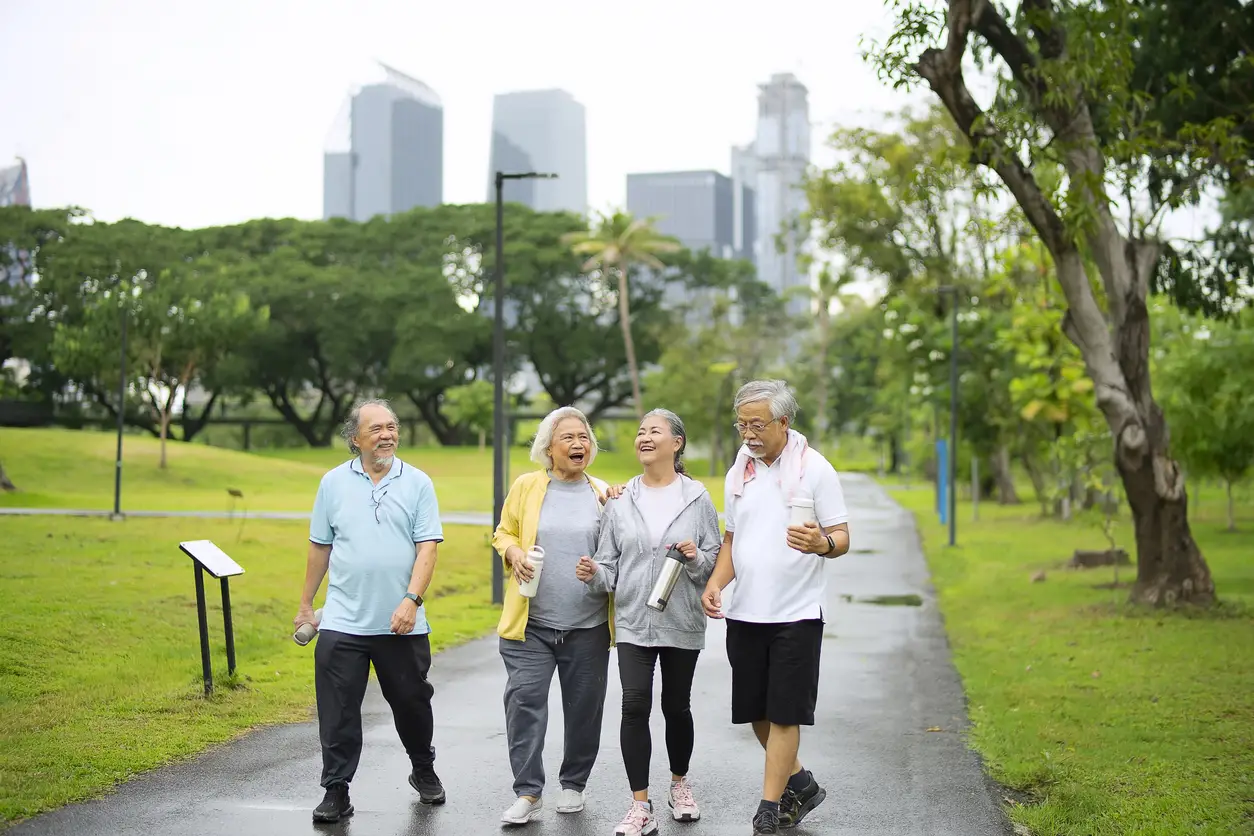
Staying active in your golden years, whether through morning tai chi, cycling along the park connector, or a weekly game of pickleball, can support mobility, balance, and independence.
However, being fit does not mean unexpected accidents cannot happen. About one-third of people aged 65 and above in Singapore have experienced at least one fall.
That is why staying active should go hand in hand with preparing for the possible financial impact of an accident, especially if recovery affects active seniors’ mobility or need for additional care.

1. Staying active may increase exposure to risk
Staying active remains important for maintaining strength, mobility, and independence as you age. However, it also naturally places you in a wider range of environments where external hazards may still occur.
Regular walks, exercise classes, park connectors, public transport, stairs, and community activities can all expose you to conditions that fitness alone cannot control. Wet surfaces, uneven ground, crowds, unexpected obstacles, and changing surroundings can still lead to accidents even when you are physically fit.
Risks can also arise at home. HealthHub identifies slippery floors, loose cords, poor lighting, and unsuitable footwear as common fall hazards for older adults. Staying active can help reduce some risks, but it cannot eliminate every external hazard you may encounter.
2. Ageing may outpace physical fitness
Regular exercise can help you stay stronger and steadier, but some physical changes can still occur with age. After age 65, a fall may also be more likely to result in injuries such as fractures that affect your usual activities.
As you grow older, you may experience:
Reduced balance;
Slower reaction time;
Weaker muscles; and
Changes in vision.
Exercise can help manage some of these changes, but it cannot remove them completely. You may still react more slowly to a sudden loss of balance, an unexpected obstacle, or a change in the ground beneath you.
As these risks can affect everyday movement at home and outdoors, it is important to review fall-prevention measures.
Families can pay particular attention to bathrooms, corridors, and other frequently used spaces, while keeping medical, emergency, and insurance details in an easy-to-access place.
3. Accidents may have a greater impact with age
The impact of an accident can be more serious as you get older. A fall that causes only a minor injury in a younger person may lead to a fracture, reduced mobility, or a longer recovery period for a senior.
When thinking about the impact of an accident, consider both the immediate treatment and the support you may need during recovery.
For an active senior, an accident can disrupt your daily routine. You may need to stop exercising temporarily, rely on help for transport or errands, or attend follow-up treatment and rehabilitation.
If you usually live independently, you may temporarily need help with transport, meals, housework, medical appointments, or everyday movement. Family members may also need to adjust their schedules to provide additional support.
Furthermore, recovery can also involve physiotherapy, mobility aids, home-care services, or a stay in a community hospital. The process depends on the injury and how long rehabilitation takes.
More serious injuries may require home modifications or additional caregiver support. This is why preparing for accidents should include thinking about the recovery period, not just the initial medical treatment.
4. Temporary loss of independence can affect the household
An accident can affect more than the injured person, especially if they usually manage daily routines independently.
An active senior who normally handles errands, appointments, or household tasks may suddenly need help with transport, meals, or mobility. A spouse may take on more caregiving responsibilities, while adult children may need to rearrange work or personal commitments to provide support.
In short, recovery can affect the whole household, with changes to daily routines and added costs for transport, caregiving, or home support beyond the medical bills.
5. Your health insurance may not cover every need
Many seniors already have MediShield Life or an Integrated Shield Plan, but these policies mainly cover eligible hospital bills and selected outpatient treatments.
They may not cover every financial need that can arise during recovery, such as:
A lump sum payout if an accident results in permanent disability;
Weekly cash support during a stay in a community hospital;
Home modification costs, such as installing grab bars or a ramp; oe
Caregiver training for a family member who needs to provide support at home
This is the gap personal accident insurance in Singapore is designed to fill: it doesn't replace your health insurance, but it pays out specifically for the financial fallout of an accident or covered infectious disease. Knowing how to claim personal accident insurance can make the process easier if you ever need to use the coverage.
What to check in a personal accident plan
Not all personal accident plans are built with seniors in mind. Before choosing personal accident insurance for seniors, consider how well the coverage matches the risks and recovery needs you have identified.
Look at these specifics:
No medical check-up required: Some senior-focused plans do not require a medical check-up for entry ages 50 to 75.
Coverage for common infectious diseases: Check whether the plan covers conditions such as dengue fever, HFMD, and shingles.
Recovery support: Look for benefits such as home-care services, rehabilitation, home modification, and caregiver training for serious permanent disability.
Renewability: Check whether the plan is renewable for life, subject to the insurer’s usual renewal criteria.
By this stage, you should have a clearer idea of what an accident could mean for your own routine and what type of protection would actually be useful.
SilverCare Insurance is built specifically for seniors aged 50 to 75 years old at entry. Some of the benefits include:
- Renewable for life1: With entry age from 50 to 75 and no medical check-up is required
- Coverage against 25 infectious diseases2: Get covered for Shingles, MPox, Dengue fever, Hand, foot and mouth disease (HFMD) and more.
- Coverage for recovery care in the event of an accident or covered infectious disease such as home-care services and rehabilitation. If you suffer a serious permanent disability3, receive coverage for home modification expenses, home cleaning services, and caregiver training expenses4.
Stay active while preparing for the unexpected
Staying active remains one of the best things you can do for your strength, mobility, and independence. Accident preparation is not a reason to become more cautious about living your life. It helps ensure an unexpected injury doesn't leave you or your family unprepared for what recovery may involve.
Start by considering the risks you encounter, the support you would need if your independence were temporarily affected, and what your existing insurance already covers. Then compare personal accident plans based on the benefits that would actually matter to you.
This is especially important for seniors already managing the costs of rheumatoid arthritis or other ongoing health expenses. If you or your parents are active seniors in Singapore, it's worth checking whether your current coverage actually accounts for this.

Frequently Asked Questions (FAQs) about accident coverage for active seniors
1. Should an older couple buy separate personal accident policies?
Personal accident coverage is usually issued to each insured person, so couples may need separate policies even if they live together. Their coverage needs may also differ depending on age, mobility, activities, existing insurance, and access to family or caregiver support.
2. What information should families prepare before making an accident claim?
Families should prepare the medical report, invoices, receipts, accident details, and any other documents the insurer requests. It is also helpful to record when and where the incident happened, how the injury occurred, and what treatment was provided.
3. What happens if an accident worsens an existing medical condition?
Coverage may depend on whether the claim relates directly to the accident or mainly to a pre-existing condition. Insurers may request medical records to determine the cause of the treatment or disability. Seniors with ongoing conditions should review the policy wording carefully before purchasing coverage.
4. Can I buy personal accident insurance for my elderly parents?
Yes. Plans like Income's SilverCare allow you to purchase coverage on behalf of your parents, provided they meet the eligibility criteria between 50 and 75 years old and holding valid Singapore identification documents.
1 The policy will be renewed as long as:
- the eligibility requirements are met;
- claims have not reached the lifetime limit allowed for the respective plans; and
- the full sum insured under the final expenses or permanent disability benefits have not been claimed.
2 This plan does not cover infectious disease diagnosed within 14 days from the policy start date as well as any infectious disease which has been announced as:
(a) an epidemic by the health authority in Singapore or the Government of the Republic of Singapore; or
(b) a pandemic by the World Health Organisation (WHO), in the affected countries, from the date of such announcement until the epidemic or pandemic ends.
3 Serious permanent disability means if you suffer 50% or more permanent disability (as shown in the scale of compensation for permanent disability benefit).
4 This plan will pay for the reasonable cost for the training of one caregiver and the training will be conducted by our appointed provider.
This article is meant purely for informational purposes and does not constitute an offer, recommendation, solicitation or advice to buy or sell any product(s). It should not be relied upon as financial advice. Please seek independent financial advice before making any decision.
The precise terms, conditions and exclusions of any Income Insurance products mentioned are specified in their respective policy contracts. The policies are protected under the Policy Owners’ Protection Scheme which is administered by the Singapore Deposit Insurance Corporation (SDIC). Coverage for your policy is automatic and no further action is required from you. For more information on the types of benefits that are covered under the scheme as well as the limits of coverage, where applicable, please contact Income Insurance or visit the GIA/LIA or SDIC websites (www.gia.org.sg or www.lia.org.sg or www.sdic.org.sg).

Related Articles
Related Articles


