





What Are Temporary Home Repairs & When Are They Necessary?
Not every home repair can wait. Discover when temporary home repairs make sense & why they should not be a long-term fix.

Key takeaways
Temporary home repairs are short-term measures that contain damage, secure an affected area, or restore basic use until a permanent repair can be completed.
They are necessary when immediate action is needed but permanent work cannot yet be carried out, such as after an emergency, during severe weather, or while waiting for contractors or materials.
They are only appropriate when they can be carried out safely and should not replace professional repairs for structural, electrical, or serious plumbing problems.
Once the situation is stable, the temporary measure should be replaced with a permanent repair to address the underlying issue and prevent further damage.
A pipe may stop dripping after a temporary seal is applied, while a ceiling leak may disappear once the rain has passed. It is easy to assume the problem has been solved when the most visible sign of damage is no longer there.
However, a quick patch often deals only with the immediate symptom. Moisture may still be trapped behind a wall, a damaged pipe may continue to weaken, or a window frame may remain faulty even after the opening has been covered.
Temporary home repairs are useful because they reduce further damage and buy time, but they should lead to a proper assessment and permanent repair.
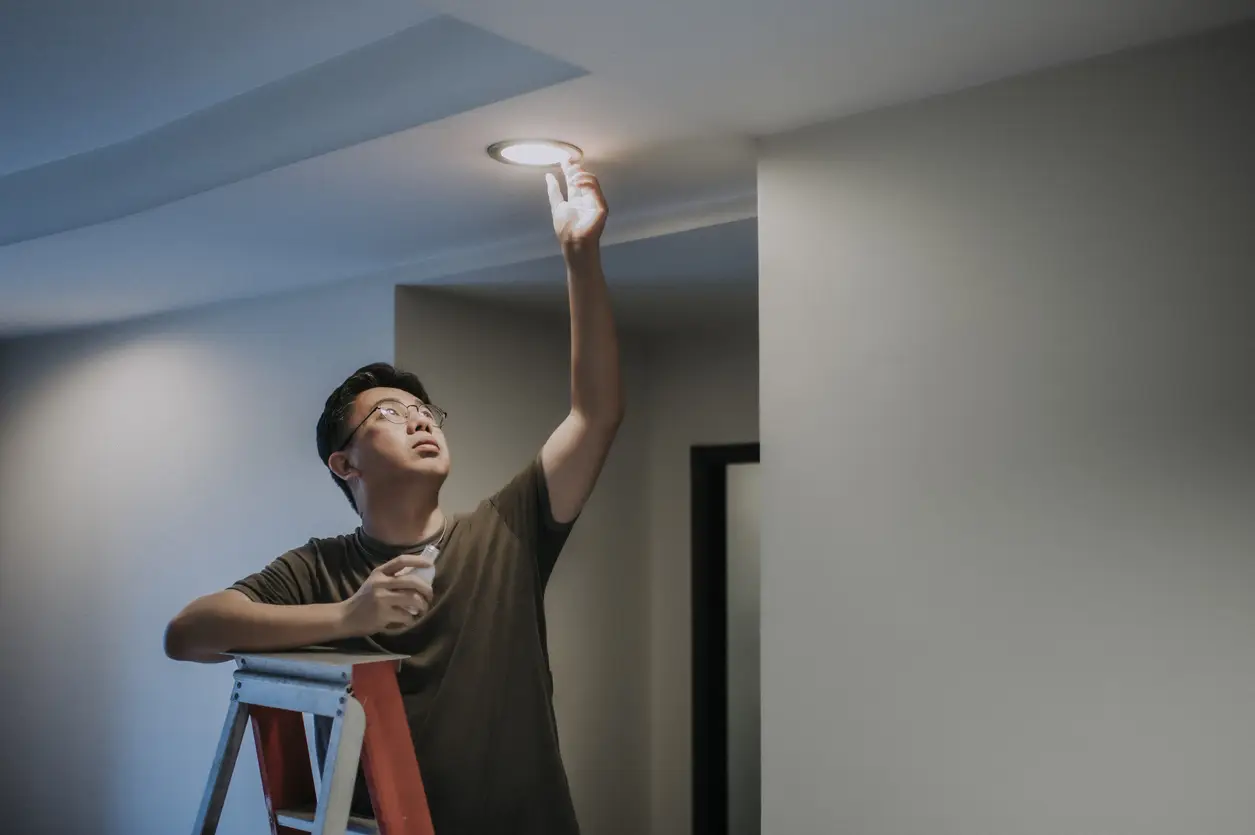
What are temporary home repairs?
Temporary home repairs are short-term measures used to contain damage, reduce an immediate hazard, or restore limited use until the underlying problem can be fixed.
For example, placing a container beneath a ceiling leak may protect your flooring and furniture, but it does not repair the pipe, waterproofing, or roof defect causing the water to enter. Similarly, a temporary pipe seal may stop visible dripping without resolving corrosion or damage to the affected section.
A simple way to tell whether a repair is temporary is to ask whether the source of the problem has been addressed. If the visible symptom has stopped but the cause remains, the repair is only a stopgap.
4 situations when temporary repairs are necessary
Not every household problem needs a temporary fix. They are most useful when damage needs attention immediately, but the permanent repair cannot yet be completed safely or properly.
1. After an emergency
A burst pipe, active ceiling leak, broken window, or fallen branch can quickly affect more than the damaged area itself. Water may spread beneath flooring or cabinets, while a broken opening can expose the home to rain and unauthorised access.
The immediate priority is to contain the problem without creating another hazard. This may involve turning off the water supply, moving furniture and electrical items away from the affected area, placing containers beneath a leak, or keeping household members away from broken glass.
These measures do not solve the underlying issue, but they can limit further damage until a qualified contractor arrives.
2. While waiting for contractors
Some repairs require a licensed electrician, plumber, glazier, or other specialist. Replacement parts may also need to be measured, ordered, or matched before work can begin.
For example, a cracked window may require custom-cut glass, while a plumbing repair may depend on the type of pipe and the extent of the damage. During this waiting period, a temporary covering or containment measure can help protect the affected area.
The temporary repair should not conceal damage that still needs to be assessed or make access more difficult for the contractor.
3. Before scheduled upgrading works
A temporary repair may be suitable when permanent work has already been scheduled and the interim measure can safely keep the affected area usable.
For example, damaged cabinetry may be secured temporarily if it is due to be replaced during an upcoming renovation. However, an unrelated leak or electrical fault should not be ignored simply because other works are approaching.
Confirm that the permanent repair is included in the scheduled scope and/or home renovation cost. If you live in an HDB flat and are unsure whether the issue concerns your unit or common property, check with your contractor, Town Council, or HDB before postponing repairs.
It may also be useful to review your HDB home insurance coverage so you understand what protection applies if unexpected damage occurs before or during the planned works.

What should you do after making temporary home repairs?
A temporary repair should be treated as the start of the repair process, not the end of it.
Once the immediate problem has been contained, check whether the damage has affected other parts of your home and arrange for the underlying cause to be assessed.
A leaking pipe, for example, may have already affected nearby cabinets, flooring, or electrical fittings, even if the visible dripping has stopped. Likewise, a ceiling stain may be caused by failed waterproofing, water seepage from another unit, or a damaged pipe hidden above the ceiling.
This is also a good opportunity to start identifying health hazards at home, such as mould growth, damp building materials, or water damage that could affect indoor air quality if left untreated.
It is also useful to document what happened while the details are still clear. Take photographs of the affected area, keep receipts for any emergency work, and note when the incident occurred and what temporary measures were taken. These records may help a contractor understand how the damage developed and may also be useful if you need to contact your insurer.
Continue checking the area until the permanent repair is completed. If the leak returns, the damp patch grows, the temporary covering starts to fail, or new damage appears, contact the contractor again instead of adding another patch and assuming the problem can wait.
3 reasons to replace temporary home repairs with permanent ones
Temporary repairs are useful because they contain an immediate problem and give you time to arrange the next step.
However, once the situation is stable, the underlying issue should still be repaired properly. Leaving a temporary measure in place for too long can allow hidden damage to continue, cause the temporary material to fail, and increase the eventual scope of repair.
1. Hidden damage may continue
A temporary patch may stop the most visible sign of the problem without addressing what is happening underneath. A ceiling may stop dripping even though moisture remains trapped above it or behind a wall, while a pipe may appear dry even though the damaged section continues to weaken beneath the temporary seal.
Over time, hidden moisture can lead to staining, swelling, rot, or mould, particularly in Singapore’s warm and humid conditions. A permanent repair addresses the source of the problem and gives the contractor an opportunity to check whether surrounding materials have also been affected.
2. Temporary materials may fail
Temporary clamps, sealants, coverings, and adhesives are not designed to perform indefinitely. Heat, humidity, rain, pressure, and regular use can cause them to loosen, weaken, or deteriorate, even when they appear secure at first.
If the temporary measure fails unexpectedly, the original problem may return and affect a wider area. Replacing it with a permanent repair reduces the likelihood of repeated leaks, unsecured openings, or further interruption to the use of your home.
3. Delays can increase the repair scope
A relatively small defect can become more extensive when the underlying cause is left unresolved. A minor pipe leak may eventually damage cabinetry, flooring, or wall finishes, while water entering through a damaged roof or window may spread beyond the original point of entry.
Carrying out the permanent repair promptly can help contain the amount of work required and reduce the chance of paying for damage that could have been avoided. The temporary repair has served its purpose once the immediate situation is under control and the proper work can begin.
Know when to contact your insurer
Once the immediate situation is under control, contact your insurer if the damage may fall within your policy coverage or if you are unsure what repairs can proceed before a claim is assessed. Your insurer can advise on the next steps, the documents required, and whether any further inspection is needed.
Having suitable home insurance can also provide added peace of mind when unexpected damage occurs. If you're comparing property insurance plans, it's worth understanding the level of protection available should your home be damaged by an insured event.
Income's Enhanced Home Insurance provides protection for your house building1, its contents2 and renovations3 against fire4, burst pipes5, theft6 and more. You will also receive complimentary 24/7 Emergency Home Assistance Service7 in the event of home emergencies, for plumbing, electrician, locksmith, pest control and air-conditioner repair services. This service is limited to 4 times a year8, and up to $150 per accident.
If you're looking for broader protection, Income’s Home Ultimate Protect includes the above benefits at increased limits, including specific items covered at full value9 for your valuables.
Prepare your home for the unexpected
Temporary home repairs can help reduce immediate damage and keep your home safe while permanent repairs are arranged. Whether it's a leaking pipe, damaged roof, or broken window, acting quickly can help prevent a small issue from becoming a much larger one.
Acting promptly after unexpected damage can help reduce further deterioration and make the permanent repair process more straightforward. Having suitable home insurance can also provide support when unexpected incidents affect your home.
If you'd like to learn more about protecting your home against unexpected events, speak to an Income Insurance advisor or explore Income's Enhanced Home Insurance and Home Ultimate Protect plans.
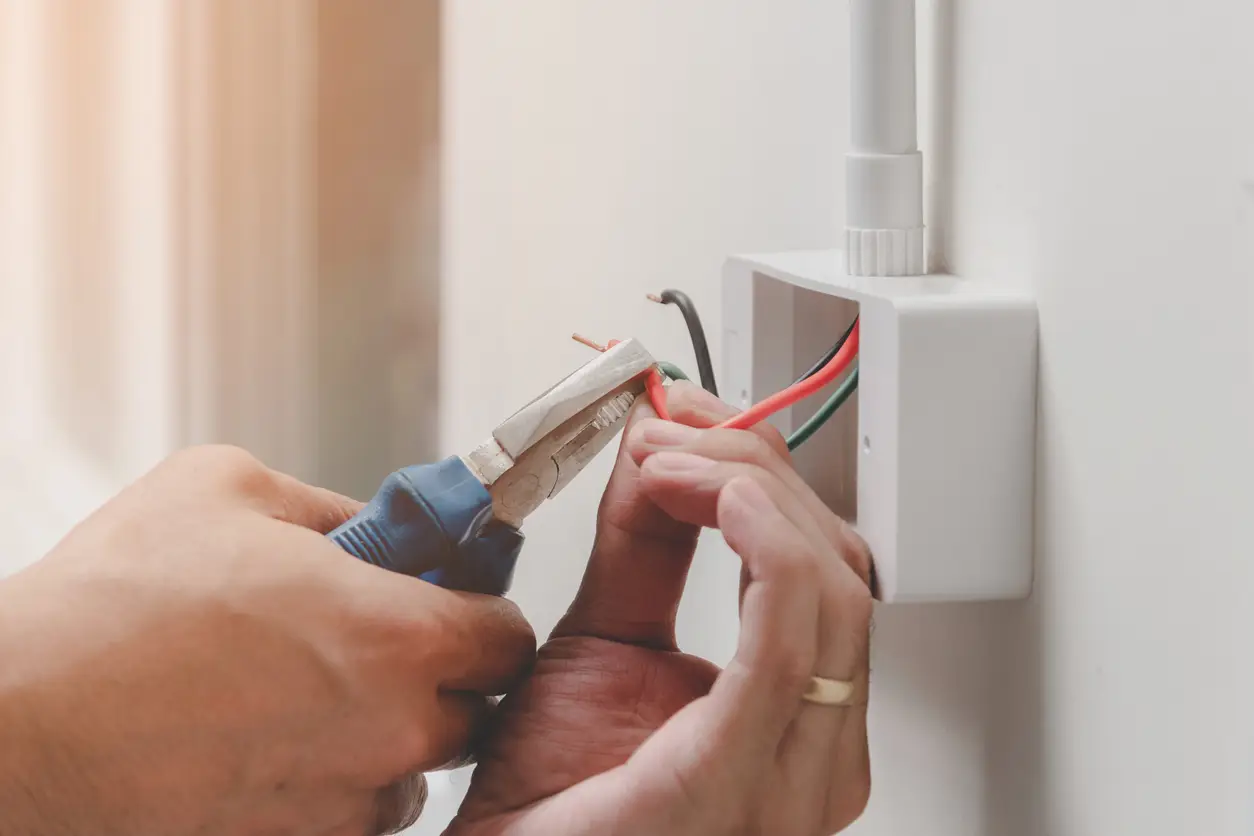
Frequently Asked Questions (FAQs) about temporary home repairs
1. Who is responsible for temporary repairs in an HDB flat?
In most cases, homeowners are responsible for maintaining the interior of their HDB flat, including arranging temporary repairs if damage occurs within their unit.
If the damage affects common property or you're unsure who is responsible, check HDB's maintenance guidelines or contact your Town Council or HDB before arranging repairs. This can help you confirm who is responsible and avoid carrying out work that may fall under someone else's maintenance responsibilities.
2. Can I live in my home while temporary repairs are being carried out?
It depends on the type of damage. Minor issues, such as boarding up a broken window or containing a small plumbing leak, may not prevent you from staying at home.
However, if the damage affects your home's structural integrity, electrical system, or gas supply, it's safer to stay away from the affected area or arrange alternative accommodation until the necessary repairs have been completed. If in doubt, ask your contractor whether your home is safe to occupy.
#3. What should I do if temporary repairs don't stop the damage?
If the damage continues despite your temporary repair, stop relying on the temporary measure and arrange for a qualified contractor to assess the problem.
In the meantime, take steps to minimise further damage where it's safe to do so, such as turning off the water supply, switching off electricity near affected areas, or moving belongings away from the damage. If the situation presents an immediate safety risk, leave the area and contact the appropriate emergency services.
1 Building means the following:
For Housing Development Board (HDB) flats, condominiums, apartments or cluster houses, it will include the building structure (but not the foundations), fixtures and fittings based on HDB’s or the property developer’s standard specifications. This means we will not cover areas you do not own or which are not provided just for your use. For example, this can include shared areas such as corridors, car parks, stairways, lift lobbies and swimming pools.
For landed properties such as bungalows, semi-detached and terrace houses, it will include the building structure (but not the foundations), garages, outbuildings, swimming pools, terraces, footpaths, driveways, gardens, gates, fences and other private areas you own and which the public do not have access to.
2 Contents means any physical and movable household items or personal belongings including money, valuables, bicycles, and personal mobility devices, kept within the premises that belong to you or your family members. Exclusions apply. Please refer to the policy contract for the exclusions and the benefit sub-limits for each type of content.
3 Renovations means improvements and additions made within the premises by you or any previous owner or tenant in the form of fixtures and fittings. For example, this could include flooring, built-in wardrobes and kitchen cabinets. They do not form part of the building cover.
4 Fire is an insured event.
5 Bursting or overflowing of domestic water tanks, apparatus or pipes in your premises (but not damage to water tanks, apparatus and pipes and expenses for tracing the source of the leak). The premises must not be left unoccupied. Unoccupied means when the premises have not been lived in by you, or by a person authorised by you, for more than 60 days in a row.
6 Actual or attempted theft as long as force and violence are used to get into or out of the premises. You must not leave the premises unoccupied. Unoccupied means when the premises have not been lived in by you, or by a person authorised by you, for more than 60 days in a row.
7 Income has arranged for our appointed Emergency Home Assistance company to provide policyholders with emergency plumbing, electrician, locksmith, pest control and air-conditioner repair services 24/7, subject to policy conditions. This bonus service is a complimentary service provided to you. It does not form part of the benefit provided under the policy contract. Income reserves the right to amend or discontinue the service at any time at its sole discretion without prior notice. Learn more at income.com.sg/home-insurance/EHA.
8 A year means each 12-month period from the start of policy.
9 Specific items covered at full value means the personal belongings which are covered either within your premises or worldwide or the contents which are covered within your premises, up to their respective full replacement values, as shown in the schedule.
This article is meant purely for informational purposes and does not constitute an offer, recommendation, solicitation or advice to buy or sell any product(s). It should not be relied upon as financial advice. Please seek independent financial advice before making any decision.
The precise terms, conditions and exclusions of any Income Insurance products mentioned are specified in their respective policy contracts. The policies are protected under the Policy Owners’ Protection Scheme which is administered by the Singapore Deposit Insurance Corporation (SDIC). Coverage for your policy is automatic and no further action is required from you. For more information on the types of benefits that are covered under the scheme as well as the limits of coverage, where applicable, please contact Income Insurance or visit the GIA/LIA or SDIC websites (www.gia.org.sg or www.lia.org.sg or www.sdic.org.sg).


Related Articles


Related Articles


