




Guide to Getting Your Car Licence in Singapore
Ready to hit the roads? Here is your ultimate guide to getting a Class 3 or 3A driving licence in Singapore.
Key takeaways
Decide between a Class 3 licence for manual and automatic cars, or a Class 3A licence for cars without clutch pedals
Choose a driving school for a structured programme or a private instructor for greater scheduling flexibility
Complete the theory tests, practical lessons, three simulator modules, and the Traffic Police practical test
Apply for your Qualified Driving Licence after passing; it is not issued automatically
Before driving, make sure the car has the required motor insurance and review whether the policy offers protection beyond the minimum legal requirement.
You may be learning to drive for a new job, to help with family errands, or simply to have more freedom in how you get around Singapore. Whatever the reason, it can be daunting if you have no idea where and how to get started.
Below, we guide you through how to get your car licence in Singapore, from making important comparisons and decisions to the practical tests and application process.
Choose your car licence & learning method in Singapore
Before you book your driving lessons in Singapore, you will need to make two decisions:
Which licence class to take
Whether to learn through a driving school or private instructor
These choices affect the types of cars you can drive, how your lessons are arranged, and the amount of coordination required throughout the process.
1. Class 3 or Class 3A licence?
For most first-time learners, the main choice is between Class 3 and Class 3A. Both cover ordinary cars, but the transmission you learn on affects what you can drive after passing.
There are also Class 3C and Class 3CA licences, although these are granted to Work Permit and S Pass holders converting a foreign driving licence.
Consideration | Class 3 | Class 3A |
Cars you can drive | Manual & automatic cars | Automatic cars only |
What you learn | Clutch control, manual gear changes & coordination | No clutch control or manual gear changes |
Learning experience | More skills to manage at the same time | Lets you focus on road awareness & manoeuvres without changing gears manually |
After you pass | You can drive either transmission type | You cannot drive a manual car |
May suit you if | You want the option to drive manual vehicles in future | Your family car and vehicles you expect to use are automatic |
Class 3 and Class 3A licences also cover certain other vehicles within prescribed passenger and weight limits. For example, they may cover motor cars carrying no more than 7seven passengers, excluding the driver, with an unladen weight of up to 3,000kg.
From 15 June 2026, holders may also drive qualifying electric light goods vehicles and electric small buses with an unladen weight of up to 3,000kg.
For everyday driving, however, the decision is usually much simpler: do you want the option to drive a manual car? If not, Class 3A may meet your needs, especially as many household cars, car-sharing vehicles, and electric vehicles use automatic transmission.
A Class 3 licence keeps both options open but requires you to become comfortable with clutch control and manual gear changes.
2. Driving school or private instructor?
Driving school | Private instructor |
Structured course | More flexible lesson arrangements |
School coordinates most bookings | Some bookings may require separate arrangements |
Easier access to circuit practice | Circuit access may need extra coordination |
Driving schools offer a structured course and coordinate lessons, circuit practice, simulator training, internal assessments, and test bookings. This option may suit first-time learners who prefer a clear lesson plan and would rather have most arrangements handled through one centre.
For those who require more flexibility in lesson timing, a private instructor may be more suitable. However, you will still need access to a driving centre for circuit sessions, simulator training, and tests. Moreover, your progress and class frequency may be affected by your instructor’s availability, whether you can book the circuit, and waiting times.
7 key steps to get a car licence in Singapore
Once you have chosen your licence class and learning method, you can start working through the required tests and training.
Step 1: Pass the Basic Theory Test
You must pass the Basic Theory Test before applying for a Provisional Driving Licence. This test covers Singapore’s traffic rules, road signs, signals, and basic road safety.
Start revising early and practise answering questions in the test format. You can also refer to the Traffic Police’s free online learning portal, where they provide theory handbooks and practice questions in English, Mandarin, Malay, and Tamil.
Step 2: Apply for a Provisional Driving Licence
After passing the Basic Theory Test and completing the required eyesight test, apply online for your Provisional Driving Licence. The application costs S$25, takes about ten minutes to complete, and requires a valid eyesight test result. The licence is issued digitally and remains valid for two years.
Step 3: Complete your practical lessons
Your practical lessons will cover both circuit exercises and public-road driving. You will gradually learn skills such as:
Steering, braking, and vehicle control
Mirror and blind-spot checks
Lane changes and junctions
Road positioning and speed control
Parking and circuit manoeuvres
Responses to pedestrians, cyclists, and other motorists
The number of lessons you need will depend on your learning route and progress. Instead of comparing lesson counts with friends, focus on whether you can perform each skill safely without repeated prompts from your instructor.
Step 4: Complete simulator training
For Class 3 and Class 3A learners, you must complete the required simulator training before taking the practical test. The modules will cover situations that may be unsafe or difficult to recreate during normal lessons, such as wet roads, blind spots, and sudden hazards, which can help build awareness that carries over to real-road lessons.
Step 5: Pass the Final Theory Test (FTT)
The FTT focuses on safe-driving techniques, road situations, vehicle handling, and driver responsibilities.
You do not have to wait until all your practical lessons are complete before taking it. Many learners prepare for the FTT while building their practical skills, as many theoretical concepts become easier to understand once you have driven on public roads. Moreover, completing it early can reduce the chance of it holding up your practical test booking later.
Step 6: Pass the Traffic Police practical test
The practical test includes circuit exercises and public-road driving. You will be assessed on observation, signalling, speed control, positioning, manoeuvres, and how safely you interact with other road users.
Step 7: Apply for your Qualified Driving Licence (QDL)
Passing the practical test does not automatically issue your Qualified Driving Licence. You must submit an online application (with an application fee of $50) through the Traffic Police e-service before driving independently.
Upon approval, you’ll be able to access your digital driving licence through the Singpass app.
Is car insurance mandatory in Singapore?
Yes. Before you can drive your car on roads in Singapore, you must have car insurance that covers third-party death or bodily injury.
As coverage can vary from one policy to another, it helps to look beyond the minimum requirement and consider what support you may need if an accident happens. For example, Income’s Drivo Car Insurance offers:
Reimbursement of car repair costs incurred in the event of an accident
Personal accident benefit and medical expenses coverage in the event of accident
Coverage for third-party property damages arising from accident
This can provide more complete protection for you, your car, and other road users, rather than covering only the minimum legal requirement.
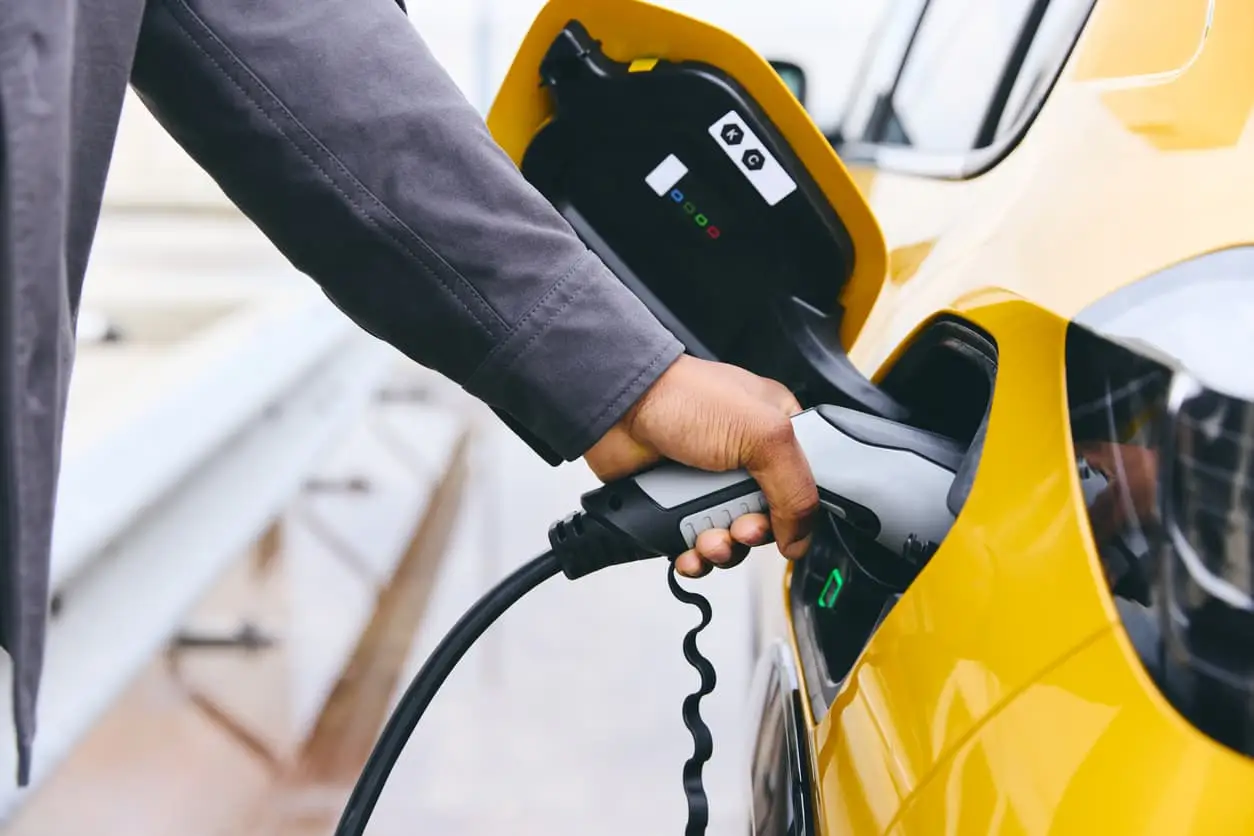
What changes if you drive an electric vehicle?
If you switch to an electric vehicle, you will not need a different car licence. Most private electric vehicles do not have a clutch pedal, so both Class 3 and Class 3A licence holders can still drive them, subject to the applicable vehicle-class limits.
What changes is the way you plan your journeys. Instead of stopping for fuel, you will need to think about charging locations in Singapore, charging time, battery range, regenerative braking, and whether a longer trip has enough charging options along the way.
These differences can also affect what you look for in car insurance. Beyond standard motor coverage, an EV car insurance plan may include protection for the battery, charging-related situations, and connected vehicle technology.
For example, Income’s eDrivo Car Insurance includes:
First insurer in Singapore to provide Emergency Mobile Rescue1
Unlimited replacement for your battery2 in the event it is damaged in an accident.
Cyber hacking coverage3 to protect your car against loss or damage due to malicious cyber acts.
These benefits can help provide additional peace of mind while you’re out on the road.
Frequently Asked Questions (FAQs) about getting a car licence in Singapore
1. How long is the Basic Theory Test result valid for?
A passed Basic Theory Test result does not expire. However, other parts of your journey have separate validity periods. For example, a Provisional Driving Licence is valid for two years. Your FTT result is also valid for two years from the date you pass, and you must pass your practical driving test before it expires
2. Can I take driving lessons in a family member’s car?
You cannot simply practise with a family member in an ordinary private car. Driving instruction must be provided by a licensed instructor, and learners must hold a valid Provisional Driving Licence.
Giving driving instruction without a valid instructor’s licence is an offence and carries a fine of up to $2,000, a jail term of up to 6 months, or both.
3. Should I buy a car after getting my licence?
The cost of owning a car in Singapore can add up quickly once you include the purchase price, COE, road tax, car insurance, parking, fuel or charging, servicing, and repairs. A car may be useful if you expect to drive regularly for work, caregiving, or family commitments, but it may be harder to justify if you only need one occasionally.
Before committing, compare the true monthly cost of car ownership against alternatives like ride-hailing, car-sharing (e.g., GetGo or BlueSG), or short-term rentals. If you only drive a few times a week, sharing or renting gives you all the convenience of private transport without the long-term financial burden of a COE, depreciation, and daily maintenance.
1 Emergency Mobile Rescue
- We are entitled to modify or alter the manner this service is delivered without notice.
- The geographical coverage and contact details of our Emergency Mobile Rescue Service Provider is available on our website, which will be updated from time to time at our sole discretion.
- This benefit is applicable to you for the period of insurance.
2 The battery replacement must be covered under Section 1 of the policy.
3 Cyber hacking by malicious act of gaining unauthorised access to your vehicle systems by any unauthorised person or entity.
This article is meant purely for informational purposes and does not constitute an offer, recommendation, solicitation or advice to buy or sell any product(s). It should not be relied upon as financial advice. Please seek independent financial advice before making any decision.
The precise terms, conditions and exclusions of any Income Insurance products mentioned are specified in their respective policy contracts. The policies are protected under the Policy Owners’ Protection Scheme which is administered by the Singapore Deposit Insurance Corporation (SDIC). Coverage for your policy is automatic and no further action is required from you. For more information on the types of benefits that are covered under the scheme as well as the limits of coverage, where applicable, please contact Income Insurance or visit the GIA/LIA or SDIC websites (www.gia.org.sg or www.lia.org.sg or www.sdic.org.sg).


Related Articles

Related Articles


