





EV Fires vs Gas Car Fires: Are Electric Vehicles Really More Dangerous?
Here’s what Electric Vehicle (EV) owners should know about EV fires & charging safety in Singapore.
Key takeaways
Fire hazards involving EVs are often discussed differently because battery-related incidents can behave differently from petrol vehicle fires.
The main concern is not only the fire itself but also how heat can spread within the battery system through thermal runaway.
Even after flames appear to be controlled, damaged battery cells may still need monitoring because re-ignition can happen.
Enclosed places such as multi-storey car parks, condominiums, tunnels, and charging areas can complicate access, evacuation, and ventilation.
Electric vehicles (EVs) are becoming a more familiar sight in Singapore, from private cars to shared vehicles and taxis. For many drivers, the appeal is clear: quieter drives, lower tailpipe emissions, and a different ownership experience.
But with newer technology comes newer questions. One that often comes up is why EV fires attract so much attention, even though vehicle fires are still relatively uncommon overall. In 2025, Singapore recorded four EV fires, up from one case in 2024. According to the Singapore Civil Defence Force (SCDF), three of the four incidents were linked to electrical faults involving the battery.
While EV fires remain uncommon, the increase is a useful reminder that electric vehicles come with a different set of risks from conventional cars. The answer is not just about how often fires happen. It is about how differently they may behave once they start.
Differences between EV fires vs petrol vehicle fires
In a traditional petrol vehicle fire, the main concern is usually burning fuel, nearby combustible materials, and how quickly the fire may spread through the vehicle.
EV fires can involve those same concerns, but with an added layer: the high-voltage battery.
Most EVs use lithium-ion battery packs made up of many tightly packed cells. When these cells are damaged, faulty, overheated, or exposed to extreme conditions, they can trigger thermal runaway. This is when heat builds up rapidly and may spread from one battery cell to another.
Thermal runaway sounds technical, but the idea is quite straightforward. It occurs when a battery cell short-circuits and begins to heat up uncontrollably.
Imagine one overheated battery cell passing heat to the next cell beside it. That next cell then heats up and affects the next one. In a large EV battery pack, this can create a chain reaction that is difficult to stop quickly.
This matters because the battery pack is usually mounted low in the vehicle, often beneath the floor. In a fire, it may not be easy to access the affected cells directly. The battery casing can also make it harder for water to reach the hottest parts quickly.
More water & cooling needed
One reason EV fires can take longer to manage is that the battery needs to be cooled, not just the flames suppressed.
With a petrol vehicle fire, once the burning fuel and surrounding materials are extinguished, the situation may stabilise more quickly. When an EV catches fire, emergency crews may continue cooling the battery pack to bring down internal temperatures.
This prolonged cooling is important because damaged battery cells may still hold heat even after the visible fire appears to be under control. That is why emergency responders may monitor a damaged EV for longer, isolate it from other vehicles, or arrange for careful towing and storage after the incident.
Reignition may happen after EV fires
Another of the more unusual challenges is that an EV may sometimes reignite after the first fire appears to be out.
This can happen when heat remains trapped inside the battery pack or when damaged cells still contain enough stored energy to restart the reaction. It does not mean every fire will reignite, but it explains why damaged EVs may need a different recovery process.
For example, after an accident, an EV may look relatively intact from the outside. There may be no obvious flames, and the cabin damage may seem limited. Even then, the battery may still need inspection because internal damage is not always visible.
Location also matters in fire management
Where an EV fire happens can make a big difference.
A fire in an open outdoor area is very different from one in a basement car park, a condominium, a tunnel, or a charging bay. In enclosed areas, smoke, heat, ventilation, evacuation routes, and access for emergency vehicles can all become more important.
Charging areas also add another layer. Singapore’s Ministry of Home Affairs has stated that SCDF mandates at least one emergency main isolation shut-off switch within 15m of an EV charging station, so power supply to both the charging station and the EV being charged can be cut off in the event of a fire.
Here are the key charging safety measures EV owners should be aware of:
Charging safety consideration | What EV owners should know or do |
Emergency shut-off access | SCDF requires an isolation switch within 15 metres of an EV charging station to cut power during a fire |
Charging equipment | Use approved chargers and avoid makeshift setups |
Equipment condition | Check cables, plugs, and charging points for visible damage and report faults early |
Home or condominium charging setup | Pay attention to the safety of the overall charging setup, not just the condition of the vehicle itself |
How to stop an EV fire
For EV drivers, the practical point is simple: a fire is not something to handle with a small extinguisher or a “wait and see” approach.
Lithium-ion battery fires can spread quickly and may involve explosions, making them unsafe to approach without the proper equipment and training. If an EV catches fire, leave the vehicle and alert people nearby. The fire itself should be handled by trained emergency responders with the appropriate equipment.
What EV owners should do after a road accident
Not every accident will damage the battery. Still, serious impacts should be treated carefully, especially if the undercarriage, charging port, or battery area may have been affected.
After an accident, it is useful to:
Move to a safe area if you can do so without putting yourself at risk
Avoid touching exposed cables, damaged charging equipment, or leaking fluids
Call emergency services if there is smoke, heat, sparks, unusual smells, or visible fire
Inform the towing provider that the vehicle is an EV
Send the vehicle to a workshop equipped to assess EV systems
Ask whether the battery needs diagnostics before repairs continue
For EV owners, motor insurance in Singapore goes beyond the usual accident coverage. It also helps to consider practical details such as battery inspections, specialised towing, battery replacement, charging-station damage, and access to workshops that can handle EV systems safely.
Learn more about what to do after a traffic accident in Singapore.
Why charging safety is part of EV ownership
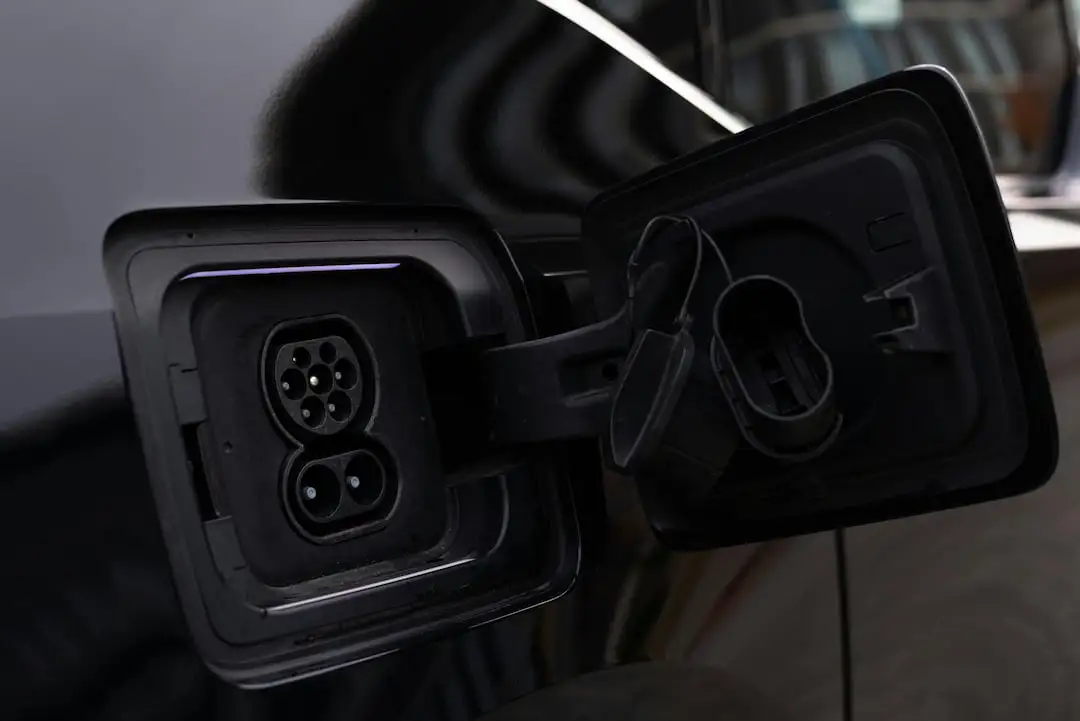
For many EV owners, charging becomes part of everyday life. You may charge at home overnight, top up at a public charger during errands, or rely on fast charging during a longer day out.
Most of the time, this is uneventful. Modern EVs come with battery management systems that monitor temperature, charging levels, and electrical performance, while safety standards continue to evolve as more drivers switch.
Even so, it helps to build good charging habits. Avoid damaged cables, take warning lights seriously, and have your charging equipment checked if something seems unusual. If you install a private charger, make sure it is properly installed and maintained.
Electric car insurance considerations for EV owners
When people compare the best car insurance options in Singapore, they often focus on premiums, excess, workshop choice, and roadside assistance.
For EV owners who need EV car insurance, the comparison may have to go a step further.
Before choosing a policy, ask:
Is battery damage covered if it happens in an accident?
What happens if the EV cannot be safely driven after impact?
Is charging-related damage considered?
Are there services that understand EV-specific breakdowns?
Does the policy treat cyber-related vehicle damage differently?
Income's eDrivo Car Insurance offers EV-focused coverage with benefits including:
- Emergency Mobile Rescue1: If your car battery runs out of charge on the road, our service provider will arrive at the scene and provide DC fast charging up to 20% capacity so you can drive to the nearest charging station. Enjoy unlimited access to this service as a policyholder.
- Unlimited battery replacement: Get peace of mind with unlimited replacement for your battery2 in the event it is damaged in an accident.
- Cyber hacking coverage3: Protect your car against loss or damage due to malicious cyber acts.
- Loan Protection Cover: Up to $100,0004 if death occurs from a car accident while you are in the insured vehicle.
- Coverage for loss of personal belongings, travel documents, hospital visitation, trauma counselling and more if you drive out of Singapore5.
- Up to $5,000 Public EV charging station6 coverage for the accidental damage caused by you or your authorised driver during charging.
- Get up to $2,000 medical expenses benefit if you, your passengers or authorised driver are injured in a car accident.
These all reflect the reality that EV incidents may involve more than vehicle body repairs. Battery damage, charging equipment, and EV-specific maintenance can all become part of the ownership picture.
Prepare for EV-specific risks on the road
EV fires draw attention because battery-related incidents may require different handling from traditional vehicle fires. Thermal runaway, longer cooling, possible reignition, enclosed spaces, and specialised post-accident checks can all affect how an incident is managed.
The practical takeaway is to understand these differences early and consider whether your EV car insurance coverage reflects battery-related risks, specialised repairs, and EV-specific support.
Frequently Asked Questions (FAQs) about EV fires in Singapore
1. Can an EV catch fire while charging?
It is possible, although EV fires remain uncommon. Charging-related risks may involve damaged equipment, electrical faults, improper installation, or battery issues. EV owners should use approved charging equipment, avoid damaged cables, and ensure private chargers are properly installed and maintained.
2. What should I do if my EV is involved in an accident?
Move to a safe place, avoid touching damaged electrical parts, and call emergency services if there is smoke, heat, sparks, or visible fire. Let the towing provider know the vehicle is an EV. After a serious impact, the battery system may need inspection even if external damage looks limited.
3. Can damaged EV batteries be repaired after a fire?
This depends on the extent of damage and the manufacturer’s repair guidance. In many cases, a fire-damaged or severely compromised battery may require specialist assessment and may not be suitable for simple repair.
4. Can regular workshops inspect an EV after a fire or battery incident?
Not every workshop is equipped to inspect EVs after a fire or battery-related incident. EVs may require high-voltage safety procedures, diagnostic tools, and technicians trained to handle battery systems safely.
1 Emergency Mobile Rescue
We are entitled to modify or alter the manner this service is delivered without notice.
The geographical coverage and contact details of our Emergency Mobile Rescue Service Provider is available on our website, which will be updated from time to time at our sole discretion.
This benefit is applicable to you for the period of insurance.
2 The battery replacement must be covered under Section 1 of the policy.
3 Cyber hacking by malicious act of gaining unauthorised access to your vehicle systems by any unauthorised person or entity.
4 Loan Protection Cover
If your vehicle is under a hire-purchase or leasing agreement, we will pay the hire-purchase company of your vehicle, any outstanding loan up to $100,000, upon your death of arising out of an accident while you are the driver of, or a passenger in, your vehicle.
We will not pay where the death:
- is caused by intentional self-injury or suicide.
- occurs after more than three (3) calendar months of the accident.
All other terms and conditions provided under this Policy is otherwise unchanged.
5 Outside of Singapore’s geographical limit includes West Malaysia and parts of Thailand within 80 km from the border of West Malaysia.
6 Liability for other property damage, injury or death to any third party is excluded. This benefit will not cover any consequential loss arising directly or indirectly from the damage to the public electric vehicle charging station, your vehicle or other vehicles.
This article is meant purely for informational purposes and does not constitute an offer, recommendation, solicitation or advice to buy or sell any product(s). It should not be relied upon as financial advice. Please seek independent financial advice before making any decision.
The precise terms, conditions and exclusions of any Income Insurance products mentioned are specified in their respective policy contracts. The policies are protected under the Policy Owners’ Protection Scheme which is administered by the Singapore Deposit Insurance Corporation (SDIC). Coverage for your policy is automatic and no further action is required from you. For more information on the types of benefits that are covered under the scheme as well as the limits of coverage, where applicable, please contact Income Insurance or visit the GIA/LIA or SDIC websites (www.gia.org.sg or www.lia.org.sg or www.sdic.org.sg).

Related Articles
Related Articles


