





Guide to Travel Insurance for Adventure Sports
Skydiving or scuba diving abroad? Learn more about travel insurance for these overseas thrill-seeking activities.
Key takeaways
Coverage for adventure activities often depends on factors such as where the activity takes place, whether safety requirements are followed, and if any certification requirements are met.
Activities involving technical equipment, competitive elements, or higher levels of risk may be subject to additional conditions or exclusions.
Medical evacuation, rescue services, equipment-related losses, and weather disruptions can result in significant unexpected costs during adventure trips.
Reviewing your policy before travelling can help you understand which activities may be covered and what conditions apply.
For some travellers, the highlight of a holiday is not sightseeing. It may be skiing in Hokkaido, scuba diving in Bali, trekking in Nepal, or experiencing a tandem skydive in New Zealand.
While these adventure activities can be memorable, they can also expose travellers to risks that differ from a typical city break or beach holiday. An injury on a ski slope, a weather-related cancellation, or the need for emergency evacuation from a remote location can quickly turn into an expensive situation.
What activities are usually covered by travel insurance?
Insurance coverage often depends on the circumstances, which include:
1. Recreational activities
Standard travel policies typically cover low-risk, everyday leisure activities. If an activity is open to the general public and doesn't involve specialsed high-risk equipment, it usually falls under standard travel insurance protection.
Commonly covered recreational activities include:
- Leisure & sightseeing: Walking tours, museum visits, city cycling, and boat cruises.
- Recreational water sports: Recreational swimming, snorkeling in calm waters, kayaking, paddleboarding, and beach volleyball.
- Guided excursions: Camel or horseback rides, nature walks, and standard boat excursions.
Competitive sports are generally excluded from standard travel insurance policies because they carry a higher probability of injury.
2. Organised by recognised operators
Recognised operators usually follow structured safety standards, maintain certified equipment, and employ trained guides, which significantly reduces the baseline risks of accidents.
For instance, a guided scuba dive with a PADI-certified centre or a zipline tour run by a licensed commercial vendor inherently carries lower risk than doing the same activity without professional oversight or proper gear testing.
Or, bungee jump operated by a recognised commercial vendor features redundant harness systems, calibrated jump ropes, and strict weight checks. An informal or DIY alternative lacks these verified safety assurances, which almost always voids coverage under negligence or high-risk activity exclusions.
3. Activities carried out during certification/training under appropriate supervision
Participating in an activity under the supervision of a qualified instructor as part of an official training programme is often covered. When learning under professional guidance, strict safety protocols and controlled environments significantly lower the risk of accidents.
Standard travel policies or basic adventure riders often extend coverage to formal introductory courses, provided they are conducted by accredited certification bodies.
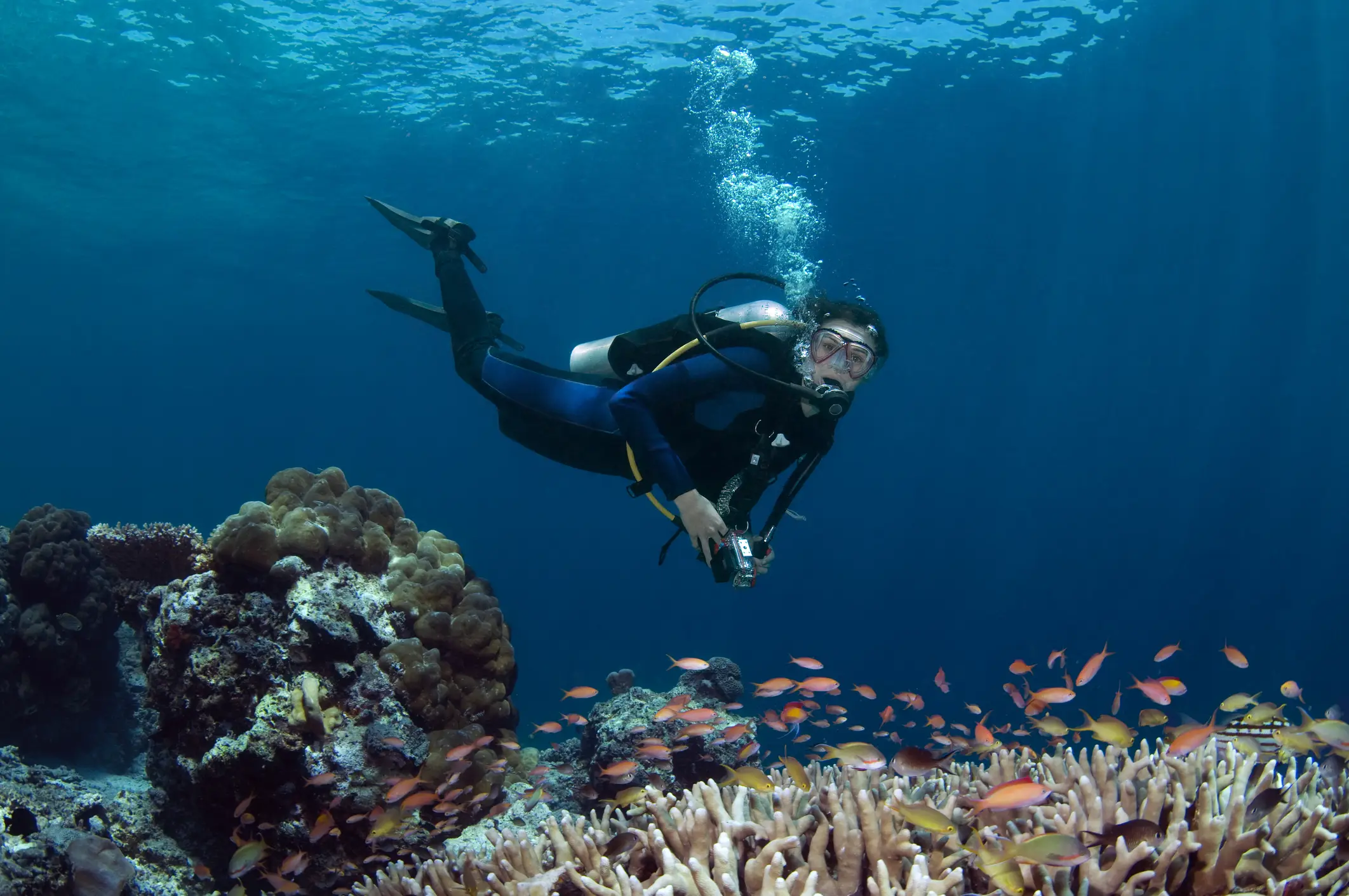
Diving courses: Introductory scuba dives or open-water certification courses are routinely covered up to standard depth limits (usually 18 meters / 60 feet), as long as a certified instructor is present.
Winter sports instruction: Group or private ski and snowboard lessons with a licensed resort instructor are generally included under standard winter sports riders.
Surfing & water sports: Beginner surfing, windsurfing, or paddleboarding lessons run by accredited schools are typically covered under standard leisure provisions.
However, as training progresses to advanced levels, the associated risks increase and standard coverage may no longer apply. Flight training and solo skydiving instruction are almost universally excluded from standard travel insurance and will require niche, specialised athletic coverage.
What adventurous sports activities may require closer review for travel insurance?
Checking your travel insurance's policy conditions, such as under the Definitions and Exclusions sections can help you understand whether any special conditions or exclusions apply.
Here are four common adventurous activities that may or may not be included in your travel insurance (subject to different insurers).
1. Outdoor climbing
While indoor bouldering and artificial wall climbing are commonly included under standard recreational coverage, outdoor climbing may be excluded. Be sure to check how your policy classifies different climbing disciplines before heading to the crag, as insurers distinguish sharply between controlled environments and natural rock.
2. High-altitude technical trekking & mountaineering
Standard policies generally cover casual hiking up to a certain elevation (typically 2,500m to 3,000m above sea level). Crossing above these thresholds introduces severe risks like acute mountain sickness (AMS) and complex search-and-rescue logistics.
Technical climbs requiring crampons, ice axes, or fixed ropes as well as unassisted solo climbs will usually be excluded.
3. Deep or technical scuba diving
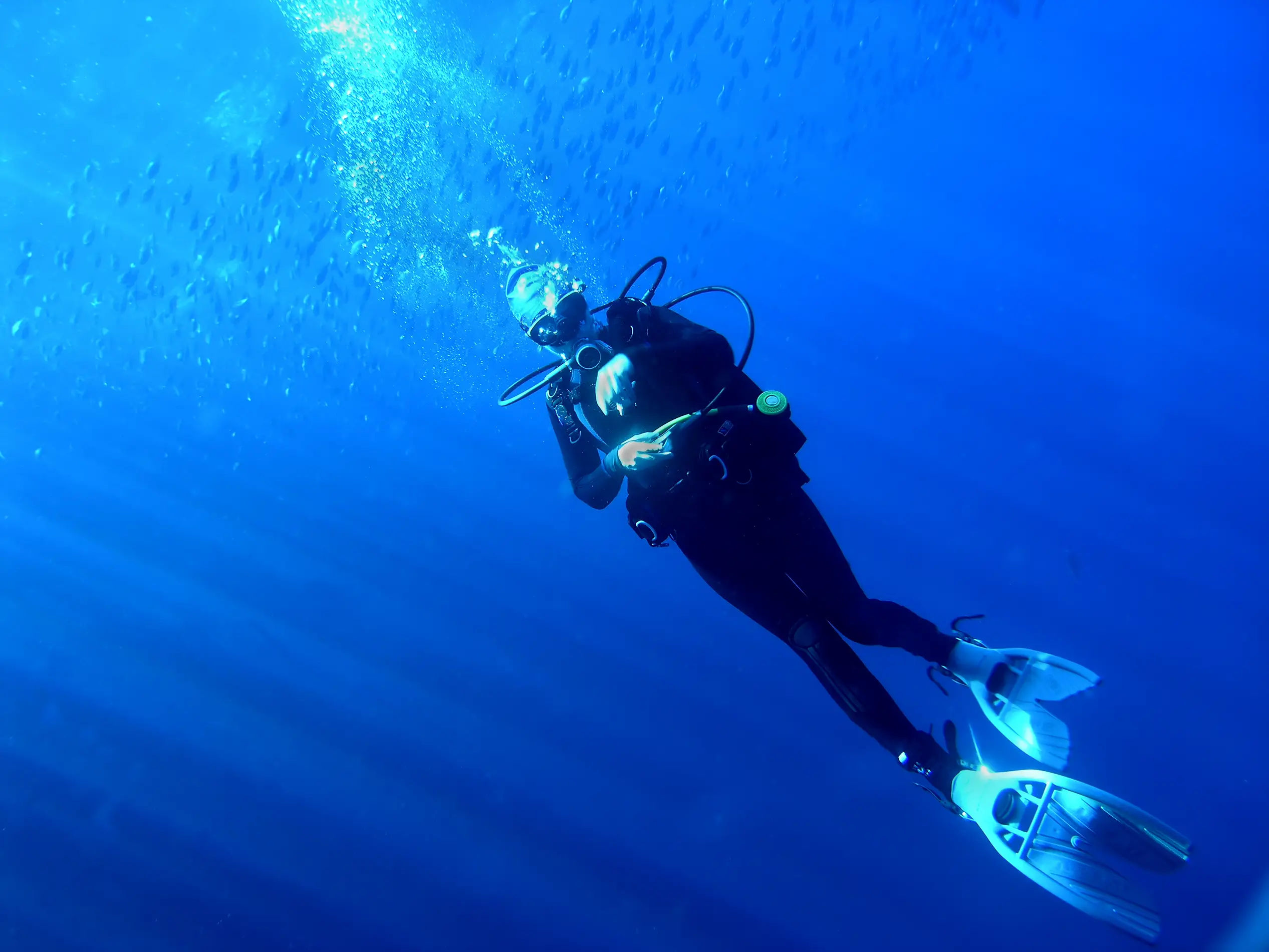
Recreational scuba diving is usually covered under standard policies, but only within strict limits, typically up to 18m or 30m for certified divers. Exceeding your certification limit (e.g., diving to 40 meters on an Open Water certification) voids protection.
Similar to trekking, technical diving like cave, wreck penetration, and ice diving as well as diving without an officially certified buddy or licensed divemaster is also almost universally excluded.
4. Aerial & sky sports
Activities involving flight carry inherent risks. Coverage often hinges on whether you are controlling the craft or riding passively.
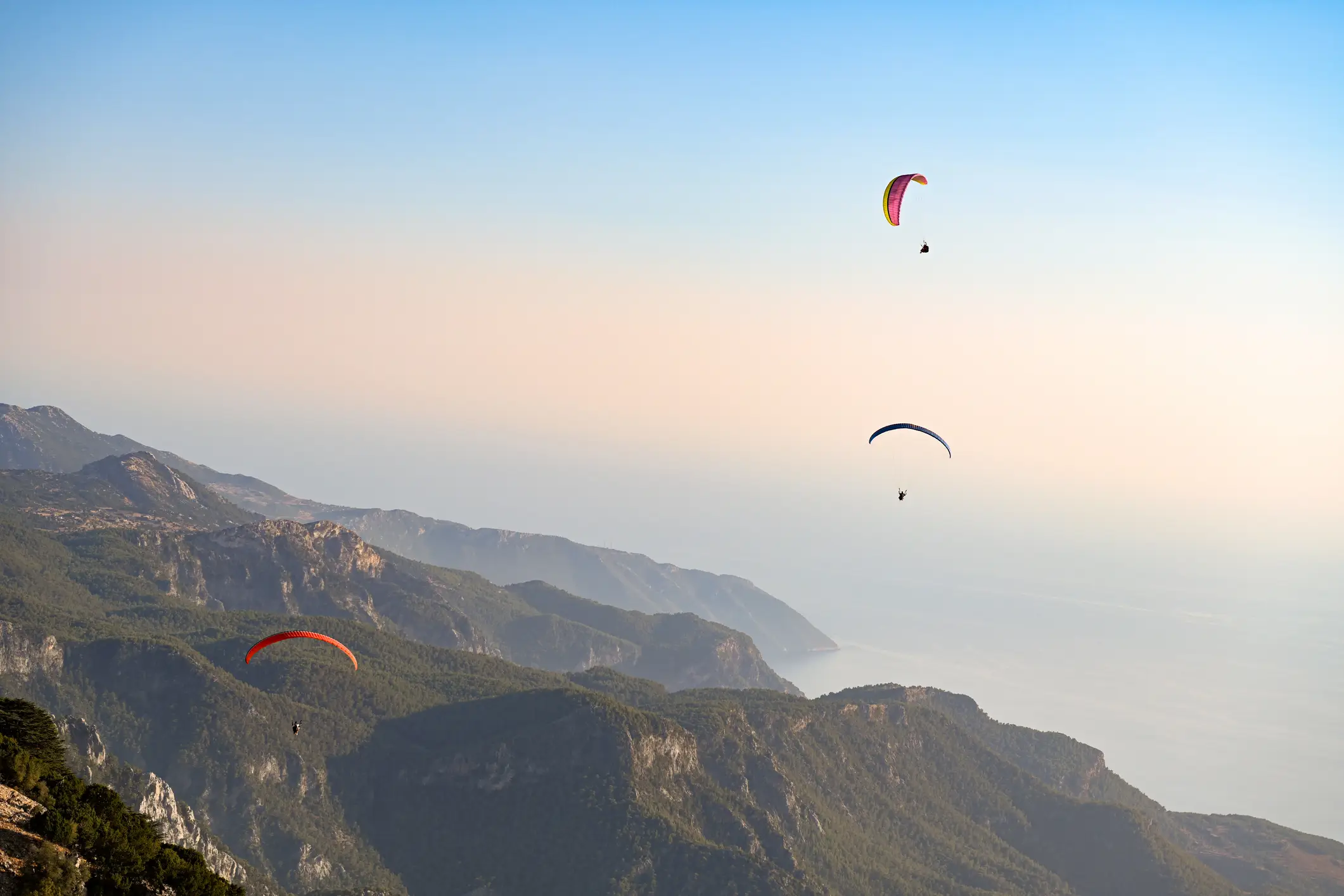
Commercial tandem skydiving or tandem paragliding with a licensed operator is often covered under adventure riders. However, solo skydiving, hang gliding, or wing-suit flying usually require specialist high-risk policies.
Similarly, hot air ballooning or parasailing booked through certified commercial vendors is typically accepted, whereas private or uncertified flights are not.
Other costs travellers often overlook
The activity itself is often not the biggest expense. When participating in sports or excursions abroad, the hidden administrative, medical, and logistical consequences of an accident can far exceed the initial cost of a tour or pass.
Here are three key hidden costs travelers frequently overlook:
1. Medical evacuation & emergency transport
Adventure activities often take place in locations that are far from major medical facilities.
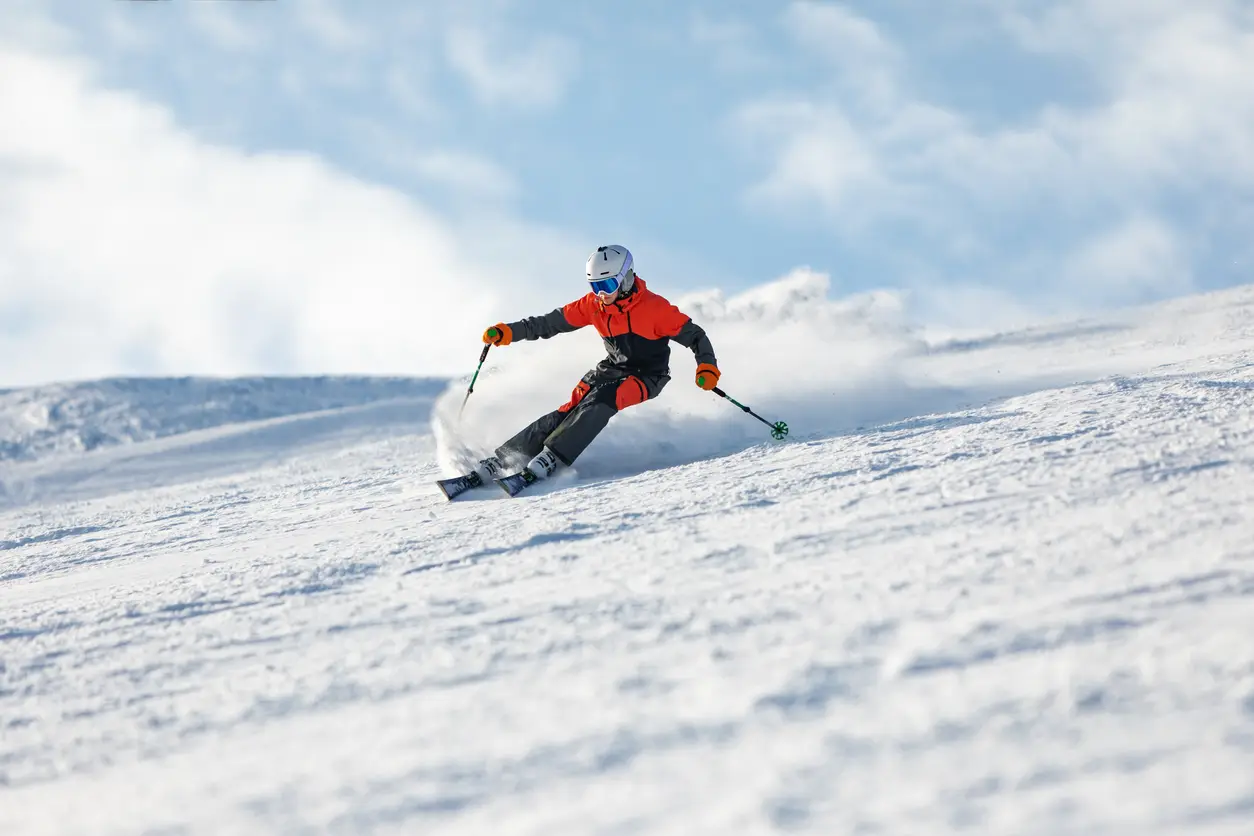
An accident on a ski slope may require assistance from ski patrol teams, rescue services, helicopter evacuation, or transport to the nearest appropriate medical facility. These foreign medical bills overseas can add up quickly depending on the location and circumstances.
If your skiing activities and snow sports are covered under your travel insurance, you may be protected against some of these unexpected emergency and transport expenses.
2. Weather-related disruptions
Outdoor activities are often heavily dependent on weather conditions. Snowstorms, rough seas, strong winds, or poor visibility may result in cancelled activities, delayed itineraries, additional accommodation costs, or changes to transport arrangements.
Those arranging travel insurance for snow sports and other outdoor activities should take a closer look at how weather-related disruptions can affect their travel plans, and whether any last-minute changes can be covered.
3. Equipment-related expenses
Participating in activities often involves specialized gear, either your own or items hired from an operator.
Basic baggage coverage usually caps individual item limits (e.g., S$500 max per item), which won't fully cover high-end gear like camera setups, road bikes, or scuba gear.
If you crash a rented scooter or break rented skis, standard policies typically cover personal liability for injury to others, but not the physical damage to the equipment you hired.
Be sure to check if your travel insurance covers equipment expenses or require a separate add-on.
What does Income’s Travel Insurance provide?
Whether you are planning a ski holiday, a diving trip, or another adventure-focused getaway while travelling through Europe, it is worth reviewing your travel protection before you travel.
Consider Income's Travel Insurance which provides:
Coverage for adventurous activities1 such as skiing, bungee jumping, skydiving, and more
Protection against common travel inconveniences such as damage to personal belongings, personal accident, medical expenses while overseas and trip cancellations due to unexpected events, even if you purchase last-minute
Family cover2 if you are travelling with your spouse/partner and children
Sea travel, which includes cruise to nowhere

Frequently Asked Questions (FAQs) about travel insurance coverage for adventure activities
1. Does it matter whether I book an activity through a licensed operator?
Yes, some adventure activities may only fall within coverage conditions when they are carried out through recognised operators or under the supervision of qualified instructors. This can be particularly relevant when reviewing travel insurance for activities like skydiving, bungee jumping, and skiing.
2. Do I need travel insurance if I am only participating in one extreme sport or activity during my trip?
Even if an adventure activity is only a small part of your holiday, it is still worth checking whether it falls within your policy's coverage. A single activity can involve risks and expenses that differ from a typical sightseeing trip, particularly if medical treatment, rescue services, or trip changes become necessary.
3. What documents should I keep on hand during my trip?
If an incident occurs during your trip, keep any documents that may support your claim. These may include medical reports, receipts, police reports (where applicable), and correspondence from airlines, tour operators, or activity providers. Having these documents readily available can help make the claims process smoother.
If you have other common questions about claims, coverage, or the travel insurance process, you may find our guide on Travel Insurance FAQs helpful.
4. Are rescue costs always included?
Not necessarily. Coverage for rescue services or emergency evacuation depends on the policy terms and the circumstances of the incident. For example, emergency transport from a ski slope or remote trekking route may be assessed differently depending on the activity involved and whether any coverage conditions have been met.
1 This policy does not cover claims for loss or liability directly or indirectly caused by or arising from extreme sports which involve speed, height, danger, a high level of physical exertion, highly specialized gear or spectacular stunts, whether they are played competitively or non-competitively, in a team or individually. Adventurous activity means any recreational activity commonly available to the public that is done overseas during your trip for leisure or as part of the tour and which:
- is undertaken while complying with all safety procedures, such as wearing safety equipment and following rules and regulations; whether specifically advised or generally expected of a reasonable person,
- where guidance and supervision of licensed guides or instructors are available, the recreational activity must be carried out under the guidance and supervision of licensed guides or instructors of the tour operator or activity provider, and
- is not excluded under the general exclusions listed in part 4 of the general conditions of the policy.
2 Family cover provides coverage for 1 or 2 adults who are spouses or partners at the time of purchase and any number of their children as long as:
- Adult(s) is 16 years and above and is the parent or legal guardian of the children
- Child(ren) is below 21 years old and is the biological or legally adopted child(ren) or ward of the adult named under the policy
- Adult(s) and child(ren) must be insured under the same policy
- Adult(s) and child(ren) must travel together if they are insured under single trip plans (not applicable for yearly plans).
This article is meant purely for informational purposes and does not constitute an offer, recommendation, solicitation or advice to buy or sell any product(s). It should not be relied upon as financial advice. Please seek independent financial advice before making any decision.
The precise terms, conditions and exclusions of any Income Insurance products mentioned are specified in their respective policy contracts. The policies are protected under the Policy Owners’ Protection Scheme which is administered by the Singapore Deposit Insurance Corporation (SDIC). Coverage for your policy is automatic and no further action is required from you. For more information on the types of benefits that are covered under the scheme as well as the limits of coverage, where applicable, please contact Income Insurance or visit the GIA/LIA or SDIC websites (www.gia.org.sg or www.lia.org.sg or www.sdic.org.sg).


Related Articles
Related Articles


