





Why You Need Travel Insurance for Water Activities
Planning to scuba dive or surf overseas? Find out why you need travel insurance for water activities & what to check before you get in the water.
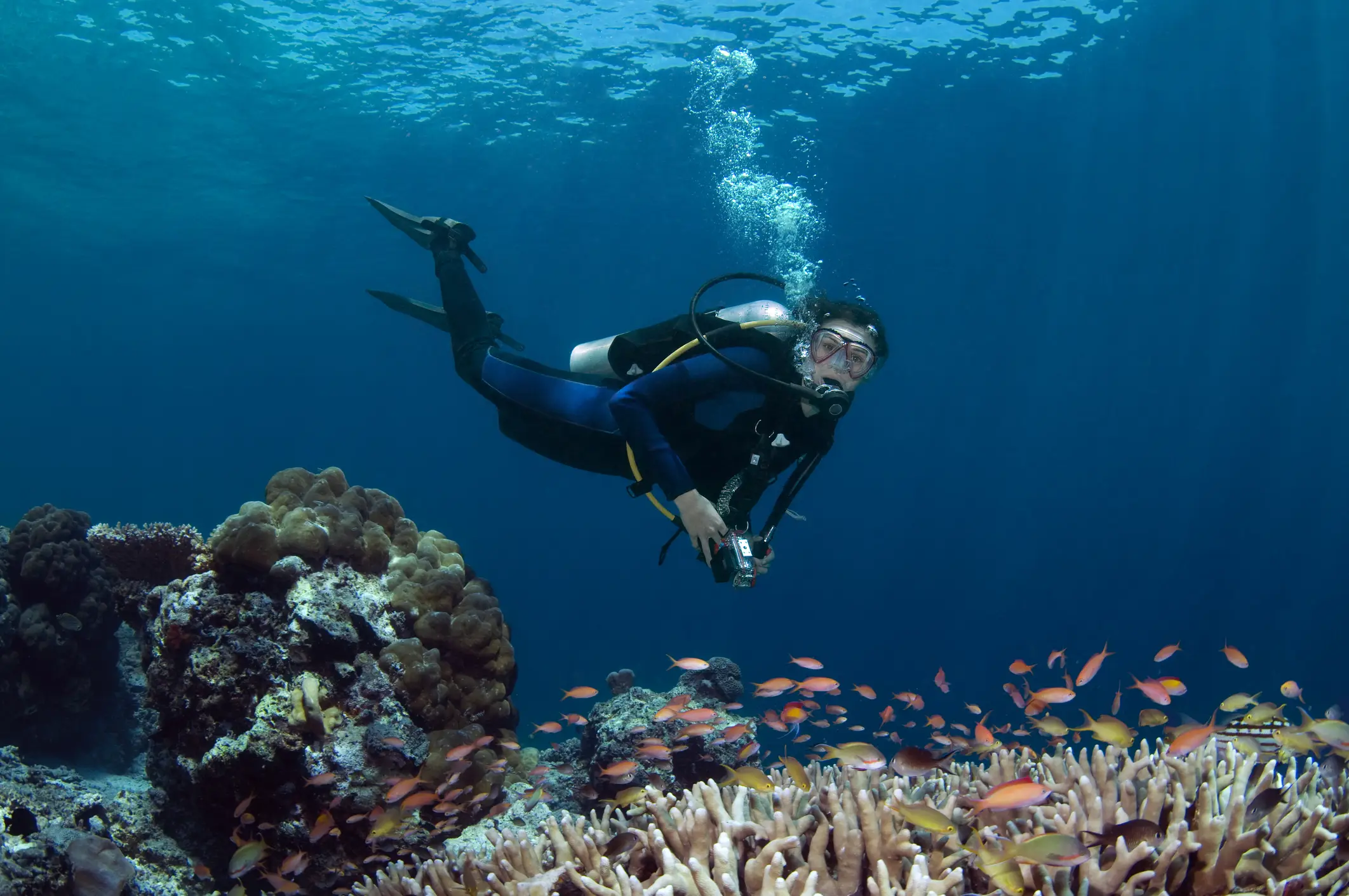
Key takeaways
- Emergency evacuation from a remote dive site can be very expensive without insurance to reduce out-of-pocket costs.
- Most travel insurance plans cover a range of recreational water activities, including scuba diving, snorkelling, surfing, kayaking, and white-water rafting, with specific conditions like wearing safety equipment, following rules and regulations, be under the guidance and supervision of licensed guides/instructors, and not excluded under general exclusions.
- Scuba diving coverage come with certain requirements: You must hold a recognised certification such as PADI and dive with a certified buddy, or dive under the supervision of a qualified instructor. The maximum depth covered is 30m.
Water activities not covered across most insurers include cave diving, diving beyond certified depths, and any activity done professionally or competitively.
Water activities are some of the most popular things to do overseas, from snorkelling in the Maldives to scuba diving in Bali. But they come with real physical risks, and the cost of an overseas medical emergency or evacuation from a remote dive site can add up fast.
This guide breaks down which water activities are typically covered, what conditions apply for scuba diving, and what to check before you get in the water.
Water activities can carry higher risk overseas
Accidents can happen even in guided, well-organised settings, and the consequences underwater or in open water can escalate quickly.
Four of these risks include:
Decompression sickness from scuba diving can require urgent treatment in a hyperbaric chamber. These facilities are not available everywhere and transporting a patient to one can be expensive.
Wipeouts and injuries from surfing in unfamiliar breaks can result in cuts, fractures, or head injuries requiring hospital treatment.
Capsizing during white water rafting in a remote location may require emergency evacuation by helicopter, which without insurance can cost tens of thousands of dollars.
Strong currents or riptides during snorkelling or swimming can lead to exhaustion or drowning events that require emergency response.
Having the right travel insurance in place before any water activity may provide a peace of mind you're covered should anything happen.
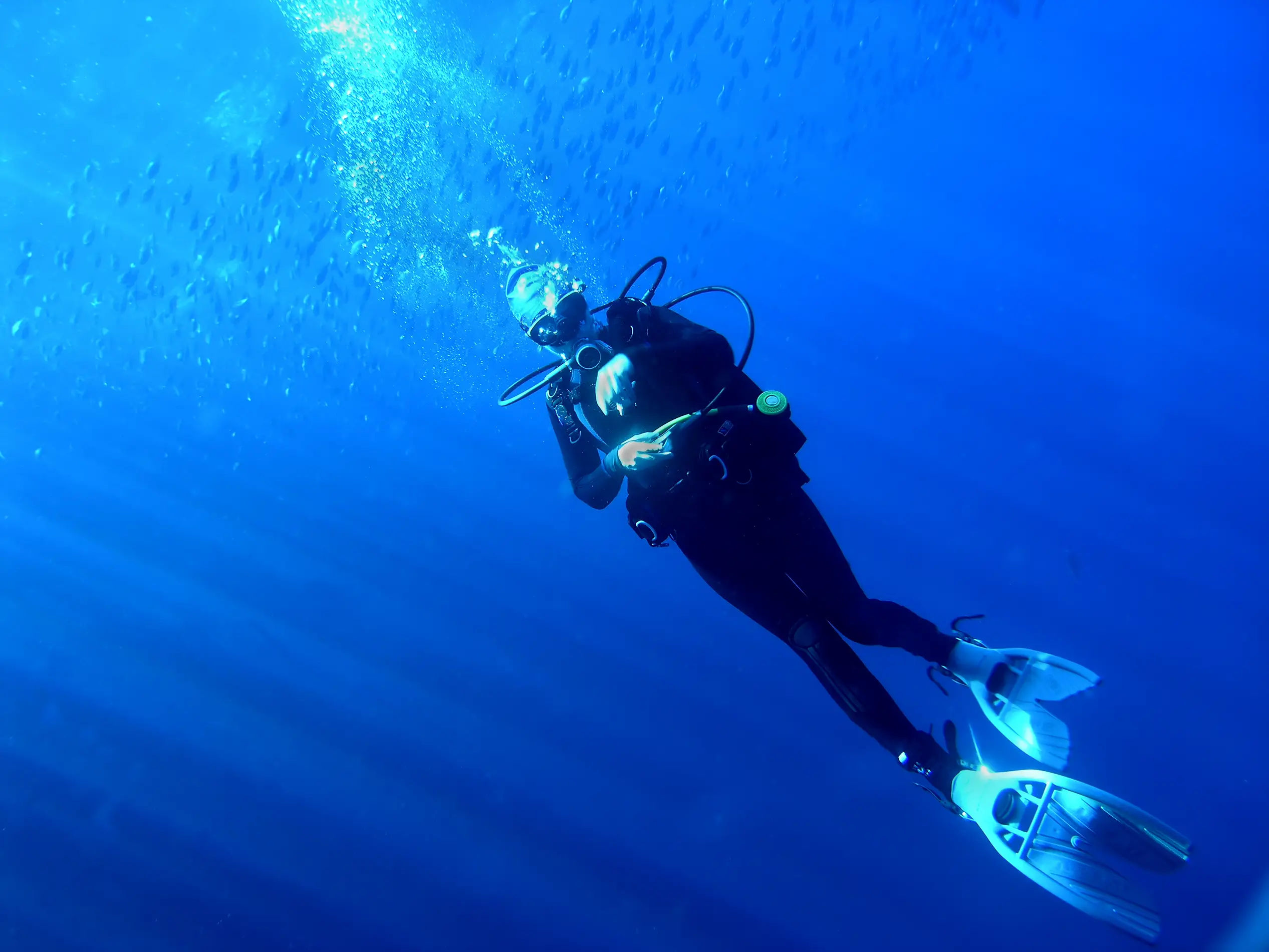
8 water activities covered by Income's Travel Insurance
Income's Travel Insurance covers adventurous activities1 like the following water sports, with no separate add-on required.
| Water Activity | Key conditions |
| Scuba diving | For leisure purposes and: - You hold a PADI certification (or similar recognised qualification) and are diving with a buddy who holds a PADI certification (or similar recognised qualification); or - You are diving with a qualified instructor. Maximum depth we will cover is as shown under your PADI certification (or similar recognised qualification) but no deeper than 30m. |
| Snorkelling | Recreational activity commonly available to the public that is done overseas during your trip for leisure or as part of the tour and which: a) Is undertaken while complying with all safety procedures, such as wearing safety equipment and following rules and regulations; whether specifically advised or generally expected of a reasonable person, b) Where guidance and supervision of licensed guides or instructors are available, the recreational activity must be carried out under the guidance and supervision of licensed guides or instructors of the tour operator or activity provider, and - Not excluded under the general exclusions listed in part 5 of the general conditions of our Travel Insurance policy conditions |
| Surfing | |
| Kayaking | |
| Canoeing | |
| White water rafting | |
| Dragon boating | |
| Paddleboarding |
For short water activity day trips within Asia, consider Income's FlexiTravel Plus which provides hourly coverage capped at just S$3 per day so you only pay for the time you need2.
Scuba diving coverage & what you need to know
Scuba diving is one of the most commonly searched water activities when it comes to travel insurance in Singapore, and for good reason. It comes with specific conditions that determine whether a claim will be paid.
Generally, scuba diving is covered under Income's Travel Insurance when:
You hold a recognised diving certification such as PADI or an equivalent qualification and you dive with a certified buddy at a comparable level, OR
You are diving under the direct supervision of a qualified instructor
The maximum depth covered is as shown under your PADI certification (or similar recognised qualification) but no deeper than 30m. This means a beginner's discovery scuba session with a certified instructor in Bali is covered. A dive at 40m even with a certified buddy is not covered.
Some water activities not covered by Income's Travel Insurance
These water activities fall outside the scope of coverage for Income's Travel Insurance:
Diving beyond 30m: Even with a PADI certification or you're under the direct supervision with a qualified instructor, dives deeper than the 30m limit are not covered.
Solo diving without a buddy or instructor: Even with a diving certification, diving alone without a certified buddy at a comparable level or under the direct supervision of a qualified instructor means the conditions for coverage are not met.
Cave diving: Diving into underwater cave systems carries extreme risk and is excluded.
Professional or competitive water activities: Any activity where you are competing, sponsored, or receiving a financial reward is excluded.
Diving without safety equipment: Ignoring safety procedures or failing to use required equipment will invalidate any claim arising from the activity.
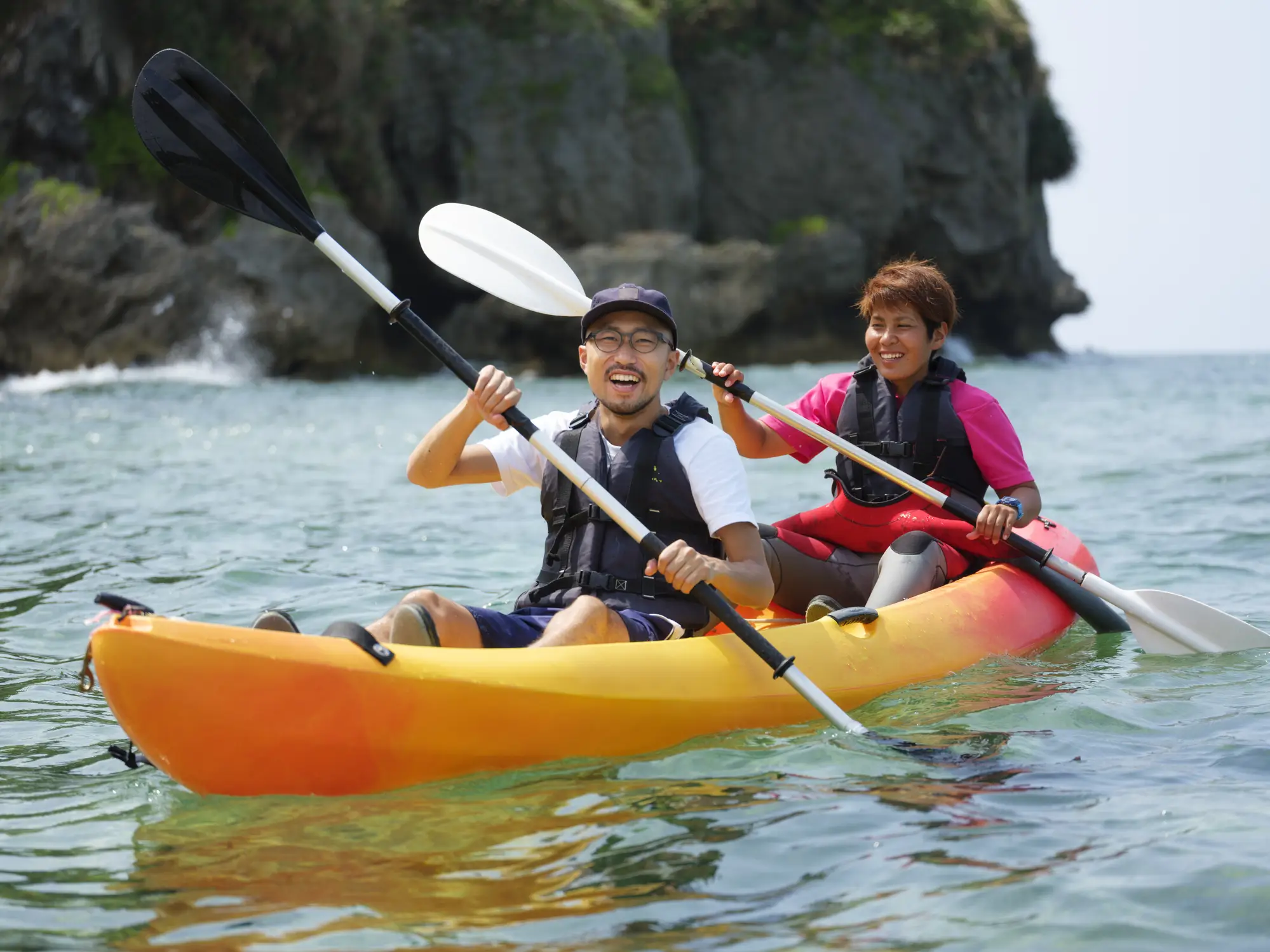
5 things to check before your water activity
A few practical steps before you get in the water can make the difference between a covered claim and an out-of-pocket expense:
Check that your operator is licensed. Whether you are surfing, diving, or rafting, the operator should be legitimate and registered. Keep your booking confirmation as evidence.
Wear all required safety equipment. Using the gear your operator provides and following their safety guidelines keeps your coverage intact.
Check your policy before you dive deeper. The 30m depth limit for scuba diving applies regardless of your certification level. If your dive plan includes deeper dives, contact your insurer before departure to understand your options.
Declare any pre-existing conditions. Some medical conditions such as asthma or heart conditions can be affected by scuba diving. Travellers with a pre-existing medical condition should review their policy carefully or consider a specialised plan before any water activity.
And if it slipped your mind to purchase before you left, Income Insurance is the only insurer that allows you to purchase travel insurance up to a day after you have departed from Singapore (available for Per-trip plans only), so you are not left without cover for your water activities.
Hit the water knowing you are covered
Water activities are one of the best parts of travelling overseas.
Getting the right insurance in place before you go means a diving accident, surfing injury, or rafting mishap does not turn into a big financial problem. Check that your plan covers the activity, carry your certification if you are diving, and make sure your coverage is active before you get in the water.
Frequently Asked Questions (FAQs) about travel insurance for water activities
1. Is scuba diving covered by travel insurance in Singapore?
Yes, scuba diving is covered under most standard travel insurance plans that include an adventurous activities1 benefit, provided you hold a recognised certification such as PADI and dive with a certified buddy, or dive under the supervision of a qualified instructor. The maximum depth covered is typically 30m.
2. What is the maximum depth covered for scuba diving under travel insurance?
Most standard travel insurance plans cover scuba diving to a maximum depth of 30m. Dives beyond this depth, including technical dives or dives beyond your certified qualification limit, are generally not covered.
3. Does travel insurance cover snorkelling?
Yes. Snorkelling is covered under most standard travel insurance plans as a recreational activity. You should follow safety guidelines and use appropriate equipment to ensure your coverage remains valid.
4. What water activities are not covered by travel insurance?
Activities excluded across most insurers include cave diving, free diving, diving beyond 30m or beyond your certified depth limit, solo diving without a buddy or instructor, and any water activity done professionally, competitively, or without proper safety equipment.
5. Is white water rafting covered by travel insurance?
Yes. White water rafting is covered under most standard travel insurance plans as a recreational water activity, provided you're wearing safety equipment, following rules and regulations, and doing it under the guidance and supervision of licensed guides/instructors
1 This policy does not cover claims for loss or liability directly or indirectly caused by or arising from extreme sports which involve speed, height, danger, a high level of physical exertion, highly specialized gear or spectacular stunts, whether they are played competitively or non-competitively, in a team or individually. Adventurous activity means any recreational activity commonly available to the public that is done overseas during your trip for leisure or as part of the tour and which:
- is undertaken while complying with all safety procedures, such as wearing safety equipment and following rules and regulations; whether specifically advised or generally expected of a reasonable person,
- where guidance and supervision of licensed guides or instructors are available, the recreational activity must be carried out under the guidance and supervision of licensed guides or instructors of the tour operator or activity provider, and
- is not excluded under the general exclusions listed in part 4 of the general conditions of the policy.
This article is meant purely for informational purposes and does not constitute an offer, recommendation, solicitation or advice to buy or sell any product(s). It should not be relied upon as financial advice. Please seek independent financial advice before making any decision.
The precise terms, conditions and exclusions of any Income Insurance products mentioned are specified in their respective policy contracts. The policies are protected under the Policy Owners’ Protection Scheme which is administered by the Singapore Deposit Insurance Corporation (SDIC). Coverage for your policy is automatic and no further action is required from you. For more information on the types of benefits that are covered under the scheme as well as the limits of coverage, where applicable, please contact Income Insurance or visit the GIA/LIA or SDIC websites (www.gia.org.sg or www.lia.org.sg or www.sdic.org.sg).


Related Articles

Related Articles


