




Travel Insurance for Adventure Sports: What’s Covered & Where Limits Apply
Skydiving or scuba diving abroad? Learn which thrill-seeking activities are covered by travel insurance & where policy limits apply.
Key takeaways
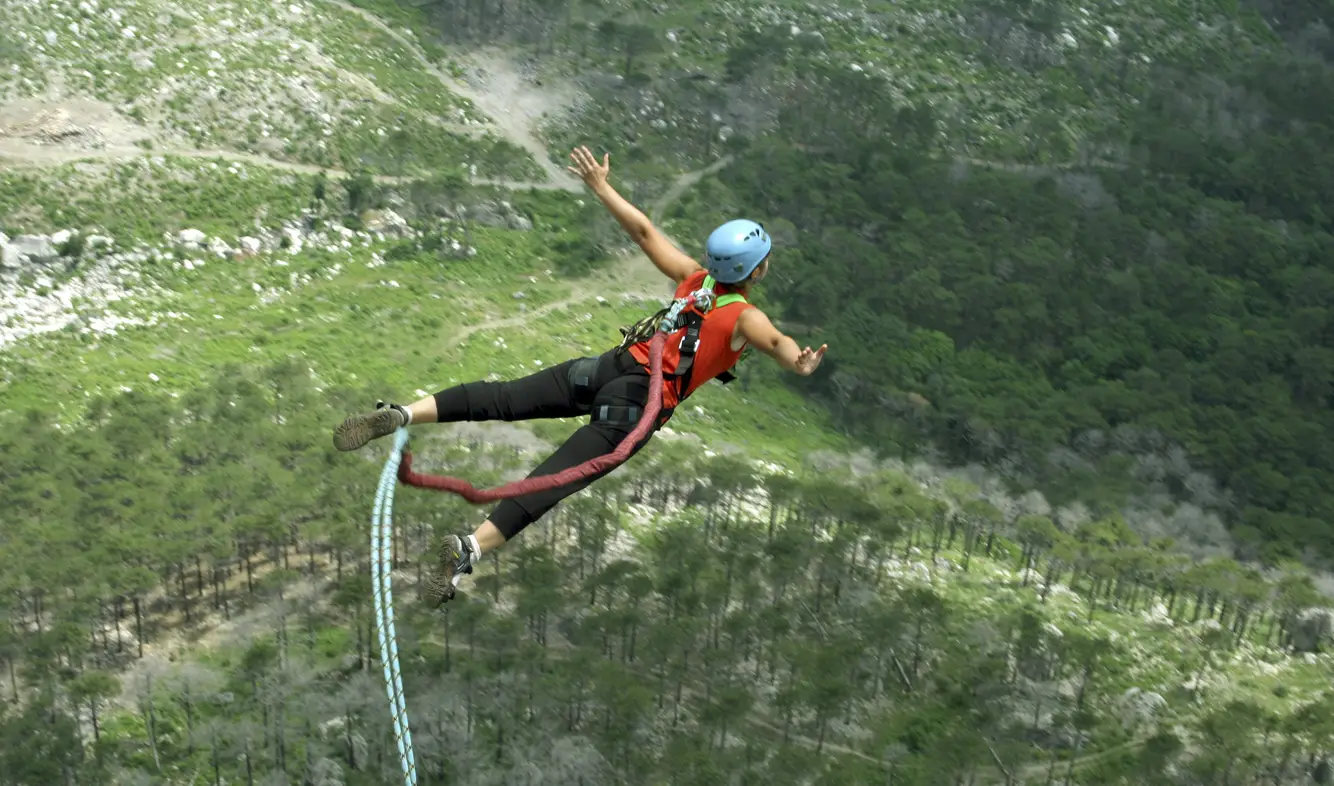
Standard plans like Income's Travel Insurance cover adventure sports that are accessible to the general public/tourists such as bungee jumping, scuba diving, motorcycling (including pillion riding), horse riding, and winter sports, provided they are not dangerous or done professionally.
For those seeking sports travel insurance cover for water activities, leisure scuba diving is protected up to standard recreational depths when backed by proper certification or instructor supervision.
Hiking and trekking are typically covered for leisure purposes on public trails or when organised through recognised commercial operators within specific altitude limits.
Financial protection for injuries scales with the plan tier you choose, offering higher limits for overseas medical expenses and emergency medical evacuations on premium options.
Travel today is rarely just about sightseeing. More travellers are packing for activities like skiing in Japan, scuba diving in Bali, or hiking up Mount Kinabalu.
While these experiences are exciting, they also bring higher physical risks. Many travellers assume they are fully protected. However, they often overlook policy rules on altitude limits, risk levels, or instructor supervision.
To keep your solo holiday fun and your friendship trips safe, it pays to know exactly what you are signing up for before you strap on a helmet or jump out of a plane.
Before you head out on your next thrill-seeking getaway, here is a breakdown of how insurers categorise adventure sports and how to make sure your coverage matches your itinerary.
What is the scope of your adventurous sports overseas?
The nature of the activity and the conditions under which it is performed directly dictate whether your travel insurance plan will provide financial protection.
Income Insurance covers a range of leisure and adventurous activities under all plan types, provided they are not done in a professional capacity.
Specifically, Income's Travel Insurance policy includes:
Leisure trekking below 6,000m
Skiing and snowboarding
Bungee jumping and skydiving
Scuba diving for leisure purposes
Furthermore, for those who departed without buying their travel insurance, Income Insurance allows you to apply for sports travel insurance coverage up to 1 day after departure from Singapore (only applicable to Per-trip policies).
While these common holiday thrills are protected, specific safety criteria must be met to remain eligible for a claim. For example, having sports travel insurance coverage for scuba diving is only valid if you hold a PADI certification (or similar recognised qualification) and dive with a buddy, or if you dive with a qualified instructor. Furthermore, the maximum depth covered is 30 metres.
Similarly, for your travel insurance for hiking to remain valid, the trek must be done for leisure purposes below 6,000 metres in places open to the general public. These journeys should also be organised by a recognised commercial local tour operator or guided by licensed instructors.
Following activity-specific safety requirements is crucial to understanding what your travel insurance covers before departure, so you do not unintentionally void your protection if you attempt a trail or dive that exceeds policy limits.
Financial limits for medical emergencies
When an accident occurs during a sporting activity, the level of coverage available depends on the specific plan tier you have selected. Income Insurance offers three tiers of Standard Plans (Classic, Deluxe, and Preferred), each with varying maximum benefits per trip.
For an adult under 70 years old, the medical limits include:
Benefit Description | Classic (S$) | Deluxe (S$) | Preferred (S$) |
Medical expenses overseas | 250,000 | 500,000 | 1,000,000 |
Emergency medical evacuation | 500,000 | Unlimited | Unlimited |
Personal accident (Adult <70) | 150,000 | 200,000 | 500,000 |
For those looking into travel insurance for adventure sports, these tiers offer a selection of medical and evacuation coverage levels to match your specific itinerary. This is crucial as the cost of medical treatment for sports injuries or specialist evacuations from remote mountainous regions can vary significantly.
Critical exclusions for high-risk adventurous activities overseas
Travellers should be aware of the general exclusions pertaining to extreme or professional-grade sports. A thorough understanding of these specific exclusions prevents misunderstandings regarding coverage, which typically only become apparent when an incident occurs.
The policy explicitly excludes claims arising from the following categories:
High level of physical exertion or spectacular stunts: This covers extreme sports such as BASE jumping, cave diving, wingsuit flying, and outdoor rock climbing on natural surfaces. While recreational skiing or leisure diving within set limits is perfectly fine, these high-risk pursuits are not covered.
Professional sports or activities: This applies to any participation where you receive or anticipate remuneration. If you are competing or performing for prize money, donations, or official sponsorships, the activity falls outside standard protection.

Secure your adventure coverage for your holiday travels
Choosing the appropriate insurance for adventure sports involves checking whether your planned activities are covered and understanding the limits and exclusions of each plan. While leisure trekking and skydiving are broadly supported, more technical pursuits like deep-sea diving or high-altitude climbing require strict adherence to safety certifications and altitude caps to remain covered. Because every traveller's needs and risks are unique, it is important to select sports travel insurance coverage that aligns with your specific itinerary.
If you are unsure which plan best suits your upcoming trip, familiarise yourself with common travel insurance questions before departure or speak to an Income Insurance advisor today.

Frequently Asked Questions (FAQs) about travel insurance for sports & activities
1. What happens if I book an adventure activity spontaneously while already overseas?
If you have an existing Income travel insurance policy, you are covered for adventurous activities as long as they meet the safety requirements and are not specifically excluded. If you forgot to purchase insurance before leaving, you can still apply for a per-trip policy up to one day after your departure from Singapore.
However, this extension only covers events occurring after the policy is issued and excludes any claims related to the transport or vehicle you were on before or at the time of purchase.
2. Is there a limit to how deep I can go when scuba diving for leisure?
Yes, specific depth and safety limits apply for claim eligibility. Income Insurance covers leisure scuba diving up to the maximum depth permitted by your PADI certification or a similar recognised qualification; however, no dive deeper than 30 metres will be covered.
Additionally, when utilising travel insurance for scuba diving, you must either dive with a buddy holding a comparable certification or be under the supervision of a qualified instructor.
3. Am I covered for hiking if I am not part of a guided tour?
Coverage for trekking depends on the nature of the trail and the altitude. You are covered for leisure trekking below 6,000 metres if the area is open to the general public without restriction.
While participation in an organised tour or supervision by licensed guides is required for certain adventurous activities, trekking in public-access areas is permitted as long as you follow standard safety procedures and rules.
4. What is the difference between adventurous activities and extreme sports in the policy?
The policy distinguishes between common recreational thrills and high-risk extreme sports. Activities like skiing, skydiving, and bungee jumping are covered as adventurous activities under all plan types. However, extreme sports that involve spectacular stunts or highly specialised gear, such as BASE jumping, cave diving, outdoor rock climbing, and ice climbing, are strictly excluded.
5. Does the policy cover medical aids, such as crutches or wheelchairs, if I get injured while playing a sport?
Yes, if you suffer an injury during a covered activity, the policy pays for the reasonable costs of medical equipment and aids (such as crutches or mobility aids) recommended by your medical practitioner. The sub-limits for these items vary by plan:
Classic Plan: Up to $500.
Deluxe Plan: Up to $1,000.
Preferred Plan: Up to $1,500.
For more specific advice on whether your planned activities fall within these guidelines, please speak with one of our friendly Income Insurance advisors.
1 Subject to policy terms and conditions.
This article is meant purely for informational purposes and does not constitute an offer, recommendation, solicitation or advice to buy or sell any product(s). It should not be relied upon as financial advice. The precise terms, conditions and exclusions of any Income Insurance products mentioned are specified in their respective policy contracts. Please seek independent financial advice before making any decision.
These policies are protected under the Policy Owners’ Protection Scheme which is administered by the Singapore Deposit Insurance Corporation (SDIC). Coverage for your policy is automatic and no further action is required from you. For more information on the types of benefits that are covered under the scheme as well as the limits of coverage, where applicable, please contact Income Insurance or visit the GIA/LIA or SDIC websites (www.gia.org.sg or www.lia.org.sg or www.sdic.org.sg).

Related Articles


Related Articles


