




How to Get Your Motorcycle Licence in Singapore
Learn how to get your Class 2B motorbike licence in Singapore. Here is your step-by-step guide to enrolment, theory tests & circuit lessons!
Key takeaways
Most new riders start with a Class 2B licence, which allows them to ride motorcycles with an engine capacity of up to 200cc.
Getting licensed involves passing the theory tests, completing practical and simulator training, and clearing the Traffic Police practical test.
Practical lessons cover both circuit exercises and road riding, and learners must clear each stage before progressing.
Riders may move on to Class 2A and Class 2 after meeting the relevant 1-year holding periods, although upgrading is optional.
Before buying your first motorcycle, check that it suits your licence class, experience, daily needs, and ability to manage it safely.
Motor insurance is required before the motorcycle can be used on Singapore roads, so it is worth comparing coverage, excess, authorised riders, workshop arrangements, and exclusions.
If you’ve been looking into how to get a motorcycle licence in Singapore, the process may seem lengthy at first.
Guide on how to get a motorbike licence in Singapore
Below, we break it down into clear steps, from signing up for lessons and tests to completing practical training and applying for your licence.
Step 1: Check the requirements & enrol in the Class 2B riding course
The Class 2B licence is Singapore’s entry-level motorcycle licence and allows you to ride motorcycles with an engine capacity of up to 200cc. To enrol in the Class 2B riding course, you must:
Be at least 18 years old
Be physically and mentally fit
Pass the required eyesight and colour-blindness checks
Have no more than 12 demerit points under the Driver Improvement Points System (DIPS)
Not have any Qualified Driving Licence (QDL) or electronic Provisional Driving Licence (e-PDL) that is revoked, suspended, or under disqualification
Motorcycle courses are available at Singapore’s three driving centres:
Bukit Batok Driving Centre
ComfortDelGro Driving Centre
Singapore Safety Driving Centre
Private motorcycle instruction is not permitted, so learners must sign up at one of the three driving centres.
Step 2: Pass the theory tests
For a Class 2B licence, there are 2 theory tests to complete: the Basic Theory Test (BTT) and the Riding Theory Test (RTT). You can begin your theory lessons and early circuit-based practical training at the same time, so you do not need to finish both tests before moving on to practical lessons.
However, the theory tests still affect how far you can progress. You will need to pass the BTT before obtaining your electronic Provisional Driving Licence (e-PDL), which is required before you can start practical lessons on public roads. You must also pass the RTT before booking your Traffic Police practical test.
Basic Theory Test
The BTT covers general road rules, traffic signs, signals, and safe road use. If you already hold a Class 3 or 3A driving licence, or have previously passed the BTT for a car licence, you will not need to take it again.
After passing the BTT and completing the required eyesight check, you can apply online for an electronic Provisional Driving Licence, or e-PDL. This allows you to begin the relevant practical training and is required before you can practise on public roads.
Riding Theory Test
The RTT focuses on motorcycle-specific knowledge, including road positioning, riding techniques, hazard awareness, and how riders should interact with surrounding traffic. You must pass it before you can apply for the final practical test.
Your driving centre may also require you to complete defensive riding theory modules as part of the course. The BTT, RTT, and e-PDL requirements apply to Class 2B learners, so you will not need to complete them again when progressing to Class 2A or Class 2.
Step 3: Build your skills on the circuit & road
Class 2B practical training is completed in stages, and you will need to clear each lesson before moving on.
You will first learn basic motorcycle control, including how to move off, stop, change gears, and coordinate the clutch, throttle, and brakes.
From there, you will progress to circuit exercises such as the plank, slalom, figure-of-eight, crank course, and emergency braking.
Once you have cleared the required circuit stages, you will move on to road lessons covering junctions, lane changes, traffic signals, and interaction with other road users.
It is normal to repeat a lesson if you have not yet met the required standard. Keeping your sessions reasonably close together can also make it easier to retain your balance, clutch control, and observation routines.
Step 4: Complete simulator training & prepare for the test
Before taking the practical test, Class 2B learners must complete 3 simulator modules. Each module takes around 15 to 20 minutes.
Module 1: Familiarisation with the simulator and five of the 10 top causes of road traffic accidents
Module 2: Covers the remaining five top causes of road traffic accidents.
Module 3: Covers hazardous and dangerous situations that may lead to road traffic accidents.
You will also need the required riding gear for lessons and tests. This generally includes an approved helmet with a clear visor, gloves, long trousers, covered shoes, and knee and elbow guards. Check your driving centre’s attire requirements beforehand, as they may differ slightly.
Step 5: Pass the test & apply for your licence
The Traffic Police practical test includes both circuit exercises and an open-road assessment.
You will be assessed on how well you combine motorcycle control with safe road behaviour. This includes balance, observation, signalling, lane position, speed management, and your response to other road users.
Try not to think of the test as a series of separate exercises. Smooth control matters, but so does what happens between each manoeuvre. Missing a safety check or choosing an unsafe position can be just as important as making a mistake on the circuit.
After passing, you must apply for your Qualified Driving Licence before riding independently.
How motorcyclists can progress through the licence classes
As motorcyclists gain more riding experience, they may choose to progress into other licence classes, allowing them to legally ride motorcycles with larger engine capacities.
Licence class | Motorcycle category | When you can progress |
Class 2B | Motorcycles with an engine capacity of up to 200cc | Hold Class 2B for at least one year before enrolling for Class 2A |
Class 2A | Motorcycles with an engine capacity of up to 400cc | Hold Class 2A for at least one year before enrolling for Class 2 |
Class 2 | Motorcycles with an engine capacity above 400cc | Highest motorcycle licence class |
Each licence class has a one-year holding period before you can take the practical test for the next class.
Progressing is not compulsory. Some riders may find that a Class 2B motorcycle already suits their daily commute and budget, while others may want access to more powerful motorcycles for longer journeys, carrying a pillion, or different riding preferences.
What you need to know before purchasing your first motorcycle
Your first motorcycle should suit both your licence class and how you expect to use it. Before buying, check:
Licence class: Confirm that the motorcycle falls within your current licence category.
Size and weight: Make sure you can manage it confidently at low speeds, when stopping, and while parking.
Condition: For a used motorcycle, review its servicing history and check key components such as the tyres, brakes, lights, and chain.
Daily practicality: Consider how much maintenance your motorcycle needs, and whether replacement parts are readily available.
Protective gear: Choose gear suitable for regular rides, not only the minimum required during lessons.
Ensure peace of mind with motorcycle insurance
Once you have shortlisted a motorcycle, you will also need to arrange for motorcycle insurance before it can be used on Singapore roads. At minimum, the insurance must cover third-party liability for death and bodily injury.
At Income Insurance, our Motorcycle Insurance offers three coverage levels: Comprehensive, Third party fire and theft, and Third party only. Depending on the plan selected, benefits may include:
Coverage for third-party property damages arising from an accident.
Reimbursement of expenses incurred for vehicle repairs in the event of accident.
Enjoy 5 percent loyalty discount on your premium if you have been insuring your motorcycle with us for more than three years.
Getting your motorcycle licence takes time, but each stage helps you build the skills needed for everyday riding.
Once you pass, the next step is choosing a motorcycle that suits your licence class and experience, along with suitable riding gear and insurance cover.
Frequently Asked Questions (FAQs) about getting a motorcycle licence in Singapore
1. How long does it take to get a motorcycle licence in Singapore?
Getting a Class 2B motorcycle licence in Singapore takes learners anywhere from three months to a year. The exact duration depends on test waiting times, lesson availability at your chosen centre, and your personal learning speed.
2. Do I need to own a motorcycle before taking Class 2B lessons?
No. Driving centres provide motorcycles for practical training. However, you may need to bring certain protective gear, depending on the centre’s requirements. Check the latest attire and equipment instructions before attending your lesson.
3. What should newly licensed riders do if they get into a motorcycle accident?
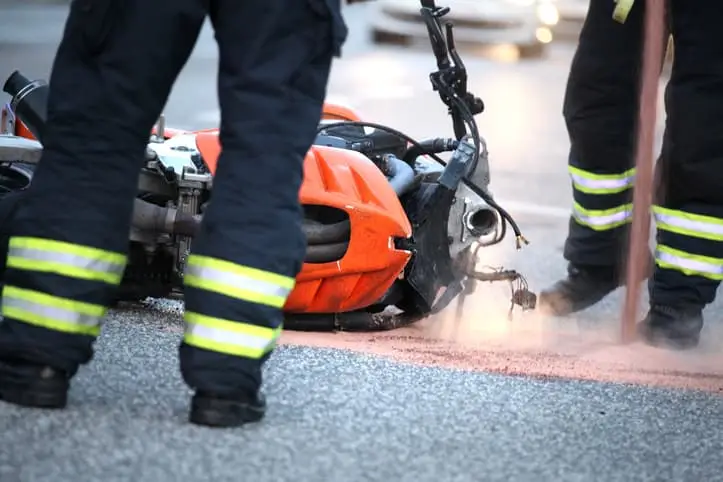
First, move to a safe location and check whether anyone needs medical help. Exchange particulars with the other parties, take photos of the vehicles, damage, road conditions, and surroundings, and avoid admitting liability at the scene. You should then contact your insurer and report the motorcycle accident promptly, even if the damage appears minor, as failing to report it may affect your claim or No Claim Discount.
This article is meant purely for informational purposes and does not constitute an offer, recommendation, solicitation or advice to buy or sell any product(s). It should not be relied upon as financial advice. Please seek independent financial advice before making any decision.
The precise terms, conditions and exclusions of any Income Insurance products mentioned are specified in their respective policy contracts. The policies are protected under the Policy Owners’ Protection Scheme which is administered by the Singapore Deposit Insurance Corporation (SDIC). Coverage for your policy is automatic and no further action is required from you. For more information on the types of benefits that are covered under the scheme as well as the limits of coverage, where applicable, please contact Income Insurance or visit the GIA/LIA or SDIC websites (www.gia.org.sg or www.lia.org.sg or www.sdic.org.sg).

Related Articles
Related Articles


