


Nutrition Guide for Dogs & Cats: 4 Food & Wellness Tips
Want a happier, healthier pet? Discover tailored pet nutrition tips, essential wellness routines & lifestyle tips for lifelong animal health.

Key takeaways
- Pet care goes beyond daily routines. Responsible ownership also involves long-term thinking, from monitoring health, following proper nutrition guidance to preparing for future medical needs.
- Balanced nutrition and environment-specific care are key. Pets require diets tailored to their age and lifestyle, along with hydration, exercise, and mental stimulation.
- Regular monitoring also helps catch issues early. Routine vet visits and observing changes in behaviour, weight, or activity can mean earlier detection and more effective treatment.
- Pet health insurance like Happy Tails Pet Insurance help prepare you for the unexpected, with up to $22,0001 coverage for your pet with our clinical and surgical benefit and chemotherapy coverage of up to $5,0001 for your pet if it is diagnosed with cancer.
For many pet owners in Singapore, caring for a dog or cat is a natural, expected part of daily life. Fresh water in the bowl, nutritious meals, regular walks, and playtime are just a few of the ways we show love to our pets every day.
But responsible pet care goes beyond these daily routines. Supporting your pet’s wellbeing also means paying attention to their long-term health, following dog nutrition guides or cat nutrition guides, monitoring their condition regularly, and preparing for potential medical needs.
Whether it’s researching the best food for puppies or best food for kittens, understanding their nutrition requirements at different life stages, or how nutrition affects a pet’s development, pet owners are becoming ever more mindful of their pet's dietary requirements.
Read on for more pet wellness tips.
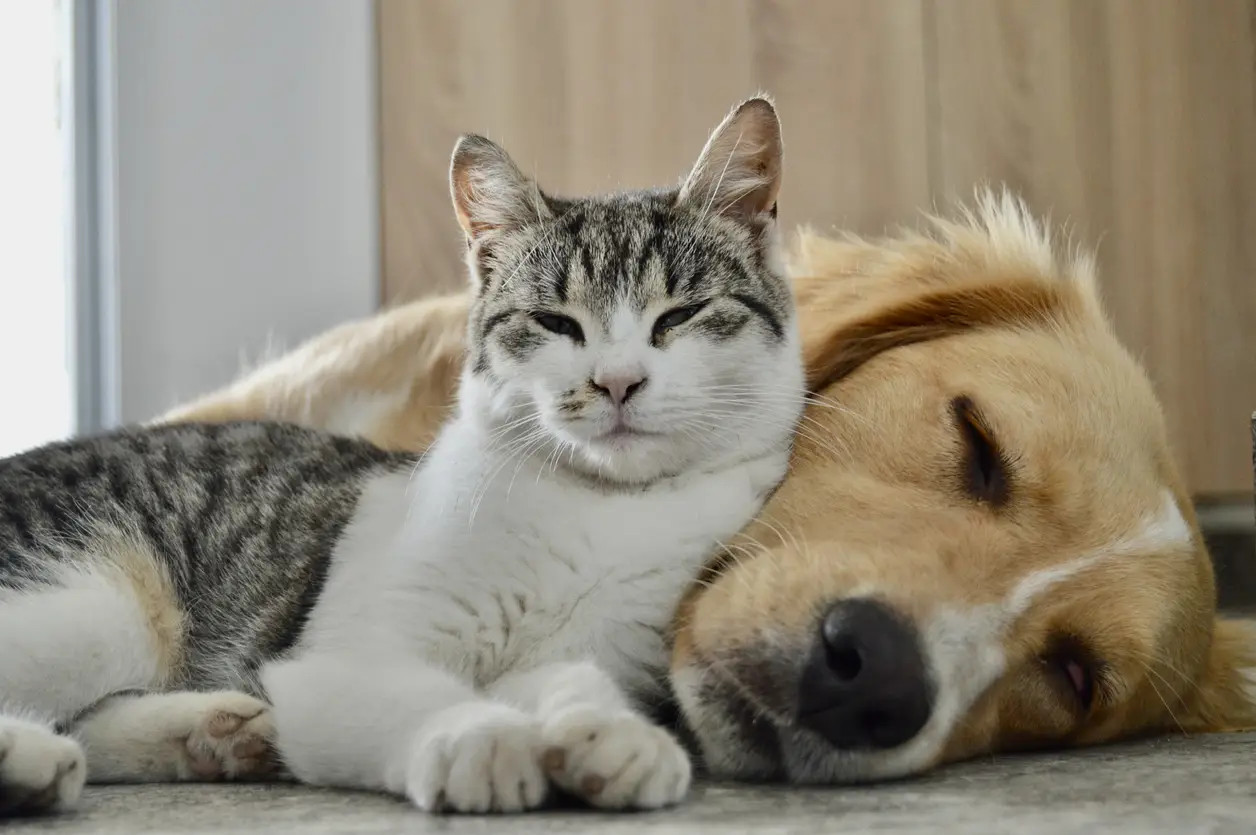
Dogs and cats living in Singapore experience a unique environment influenced by the country’s tropical climate, urban living spaces, and indoor lifestyles. These factors shape their health needs and the way pet owners care for them.
A well-rounded approach to pet care typically includes three key areas: nutrition, exercise, and preventive healthcare.
1. Nutrition guide for dogs & cats in Singapore
Wet or dry. Raw or cooked. Store-bought or homemade.
You are what you eat, and while your pet may be picky, it’s still up to pet owners to make the right nutritional choices on behalf of their pet.
Following a dog nutrition guide or cat nutrition guide can help owners better understand what makes for a balanced and appropriate diet, since nutrition is one of the most important building blocks of a pet’s health.
A balanced diet provides essential nutrients that support:
- Healthy growth and development in young pets
- Strong muscles and bones
- Immune system function
- Healthy skin and coat
- Energy levels for daily activity
Different pets have different dietary needs depending on factors such as:
- Age (puppy or kitten, adult, or senior)
- Breed and size
- Activity level
- Existing health conditions
Veterinarians often recommend choosing food formulated specifically for a pet’s life stage. For example, when considering the best food for puppies, owners should look for nutrient-dense options that support rapid growth and development.
Similarly, selecting the best food for kittens ensures they receive the calories and nutrients needed during this critical stage. Meanwhile, the nutritional needs of senior pets may benefit greatly from foods designed to support joint health or digestion.
Of course, no pet’s day would be complete without the occasional treat. These can play a helpful role in training and enrichment, but they should be given sparingly.
Dog nutrition guides would recommend that treats make up no more than about 10 percent of a pet’s daily calorie intake. Likewise, for cat nutrition guides.
Choosing nutritious treats and controlling portions helps maintain a healthy weight and balanced nutrition for your pet.
2. Hydration & climate considerations
Singapore’s warm and humid climate means pets can become dehydrated more easily, especially after outdoor activity.
This is especially true for short-nosed or brachycephalic breed dogs, such as French Bulldogs, English Bulldogs, Pugs, Boston Terriers, Boxers, Shih Tzus, and Pekingese.
Due to their anatomy, they often encounter trouble breathing during strenuous exercise, while being extra susceptible to heat and humidity, which can be a real concern when you’re in Singapore.
Pet owners should ensure:
- Fresh water is available at all times
- Pets have access to shaded or cool resting areas
- Exercise is scheduled during cooler parts of the day
- Frequent breaks during play, as they might not know when to stop
Cats may also require encouragement to drink sufficient water, which is why some owners incorporate wet food into their diet.
3. Exercise & mental stimulation
Regular activity plays an important role in maintaining a healthy body weight and preventing conditions such as obesity, diabetes, and joint problems.
Healthy routines for pets may include:
- Daily walks or outdoor exercise for dogs. Just as people need to take time to smell the roses, letting your dog sniff freely on leisurely walks lowers heart rates, reduces stress, and satisfies their mental curiosity, tiring them out more than a fast-paced walk.
- Interactive toys and playtime for both cats and dogs
- Training sessions and enrichment activities
- Along with other opportunities for mental stimulation and exploration
Just remember, engaging their minds can be just as beneficial as pure physical exertion, especially when you have a high-energy pet such as a working breed dog.
This helps in settling a pet, reducing anxiety, and preventing destructive behaviors rooted in boredom Together, these activities help keep pets both physically and mentally healthy.
4. Routine monitoring & veterinary examinations
Alongside proper nutrition and exercise, another key pet wellness tip would be regular health monitoring, which is essential for catching potential issues earlier on.
Many medical conditions develop gradually and may not show obvious symptoms at first. Routine check-ups allow veterinarians to detect subtle changes in a pet’s health before they become more serious.
Routine veterinary visits often include examinations such as:
- Physical health assessments
- Weight and body condition monitoring
- Dental examinations
- Blood tests or diagnostic screenings
These examinations help veterinarians evaluate a pet’s overall health and detect early signs of illness.
Most veterinarians would recommend annual health check-ups for adult pets and more frequent vet visits for senior pets.
Pet owners can also play an important role in monitoring their pet’s health between vet visits.
Things to observe include:
- Changes in appetite or drinking habits
- Sudden weight gain or weight loss
- Reduced activity or unusual lethargy
- Limping or signs of discomfort, with or without being touched
- Skin, coat, or dental condition
Small behavioural changes can sometimes indicate underlying health issues. When noticed early, many conditions can be treated more effectively.
However, even with attentive care, pets may still develop medical conditions over time.

Prepare for unexpected medical needs
Today, veterinary clinics offer sophisticated treatments that can dramatically improve a pet’s chances of recovery and quality of life.
These treatments may include:
- Orthopaedic or corrective surgery
- Diagnostic imaging such as X-rays or ultrasounds
- Cancer treatments such as chemotherapy
- Hospitalisation and specialist care
While these treatments can be life-changing for pets, they can also involve substantial veterinary costs.
For this reason, many pet owners consider pet health insurance as part of their long-term pet care strategy.
Pet health insurance in Singapore helps provide financial support if unexpected medical issues arise, allowing owners to focus on their pet’s recovery rather than worrying about treatment costs.
For pet owners in Singapore, Income’s Happy Tails Pet Insurance provides coverage designed to support pets throughout different stages of life.
Unexpected injuries or illnesses may require surgery, hospitalisation, or specialised treatment.
Happy Tails Pet Insurance provides:
- Coverage for surgical expenses due to your pet’s injuries, sickness, specified hereditary and congenital conditions2
- Chemotherapy benefit for your dog and cat, with coverage more than most insurers3
- Cashless value-added service at Beecroft Animal Hospital
Benefits of good pet nutrition for health & longevity
While medical support and pet insurance help prepare for unexpected situations, ensuring the right pet nutrition remains a key factor in maintaining daily health.
A balanced pet diet contributes to:
- Healthy body weight
- Strong bones and joints
- A well-functioning immune system
- Healthy skin and coat
- Long-term energy and vitality
Proper nutrition can also help reduce the risk of certain health problems such as obesity, digestive issues, and metabolic conditions.
Some pets may also benefit from specialised diets recommended by veterinarians, particularly if they have:
- Allergies or food sensitivities
- Kidney or digestive conditions
- Age-related nutritional needs
However, even pets that receive excellent nutrition may develop health conditions over time due to factors such as ageing or genetics.
This is why nutrition works best as part of a broader preventive health strategy.
Support your pet’s health for the long run
Our pets depend on us to make the best decisions for their wellbeing. While feeding them properly and keeping them active are essential, responsible pet ownership also means preparing for the future.
Because when it comes to our pets, taking thoughtful steps today can help protect their health, happiness, and comfort for many years to come.
Ready to safeguard your pet’s future wellbeing? Contact Income Insurance to explore your best pet insurance options and keep your pet healthy and happy.
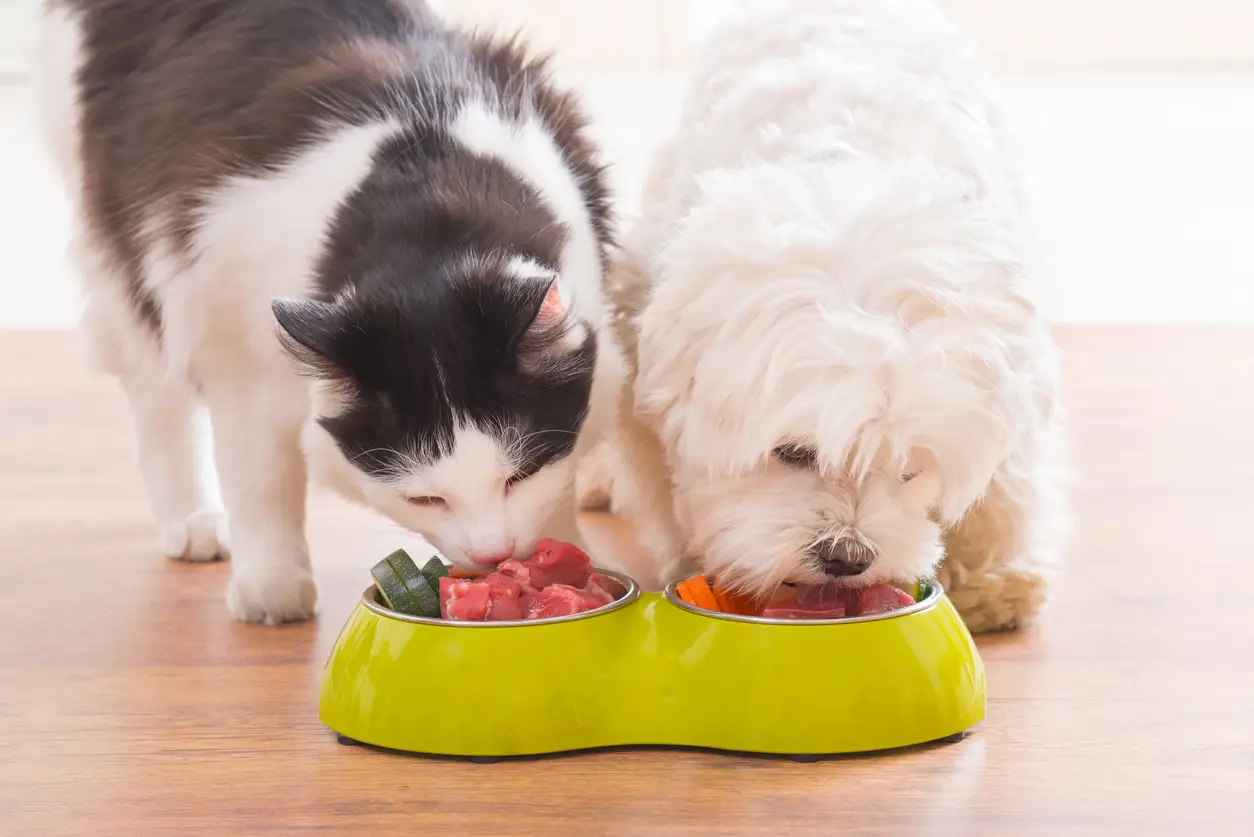
Frequently Asked Questions on feeding your puppy or kitten
1. How do I choose the best food for a puppy or kitten in Singapore?
Look for high-quality food labeled specifically for "growth and development". Puppies and kittens need nutrient-dense meals with more calories, protein, and essential fatty acids than adult pets to support their growing bones and muscles.
2. How many treats can I give my dog or cat daily?
Keeping treats to a minimum ensures your pet gets their core nutrition from balanced meals and helps prevent weight issues. Ideally, treats should make up no more than 10 percent of your pet's daily calorie intake.
3. How do I adjust my pet's diet for Singapore's hot weather?
Singapore’s tropical climate can easily lead to dehydration. Always ensure fresh water is available. For cats, who naturally have a low thirst drive, incorporating wet food into their daily diet is a great way to boost their moisture intake and protect their urinary health.
4. Can good nutrition prevent all illnesses, and how does pet insurance help?
While excellent nutrition drastically reduces daily health risks, pets can still develop genetic or age-related conditions over time. Get coverage for surgical expenses due to your pet’s injuries, sickness, specified hereditary and congenital conditions2 with Income’s Happy Tails Pet Insurance.
1 Based on Income’s Happy Tails Pet Insurance Furrific plan.
2 If your pet is below six years of age at the start of the first policy year, we shall cover the following specified hereditary and congenital conditions after a 12-month waiting period from the start date of the policy, provided they are not pre-existing medical conditions:
(i) Hip and elbow dysplasia
(ii) Luxating patella
(iii) Glaucoma
(iv) Cherry eye
(v) Intervertebral disk disease (IVDD)
(vi) Conditions which require femoral head and neck excision
3 This comparison does not include all similar pet insurance plans.
This article is meant purely for informational purposes and does not constitute an offer, recommendation, solicitation or advice to buy or sell any product(s). It should not be relied upon as financial advice. Please seek independent financial advice before making any decision.
The precise terms, conditions and exclusions of any Income Insurance products mentioned are specified in their respective policy contracts. The policies are protected under the Policy Owners’ Protection Scheme which is administered by the Singapore Deposit Insurance Corporation (SDIC). Coverage for your policy is automatic and no further action is required from you. For more information on the types of benefits that are covered under the scheme as well as the limits of coverage, where applicable, please contact Income Insurance or visit the GIA/LIA or SDIC websites (www.gia.org.sg or www.lia.org.sg or www.sdic.org.sg).

Related Articles

Related Articles