





3 Types of Common Dog & Cat Illnesses (+ How to Prevent Them)
Ensure your pet’s long-term health in Singapore with preventive care & the right insurance. Learn about common illnesses & how to manage veterinary costs.

Key takeaways
- Keeping pets healthy requires preventative care, like monitoring their health through regular vet visits, balanced nutrition, and early detection of any changes.
- Ageing, genetic conditions, and serious illnesses such as cancer can arise over time, making awareness and early monitoring extra crucial for timely treatment and better outcomes.
- Planning ahead helps pet owners prepare for future medical needs. While preventive care supports wellbeing, pet care insurance can help manage the cost of treatments, giving you greater confidence.
- Plans like Income's Happy Tails Pet Insurance help prepare you for the unexpected, offering up to S$22,000 coverage per policy year for clinical and surgical expenses1, chemotherapy coverage of up to S$5,000 per policy year if your pet is diagnosed with cancer1, and cashless value-added service at Beecroft Animal Hospital2.
Bring up the topic about caring for a pet with pet owners in Singapore, and what comes to mind for most would be our daily routines, the ways in which we show small acts of love.
Ensuring their water bowl never runs dry. Keeping their toys extra squeaky clean. Making sure they get enough exercise. Or even turning a quick walk around the estate into a full-fledged adventure - so long as it means keeping them happy and active.
But being a responsible pet owner goes beyond your everyday routines. It also means thinking ahead about your pet’s long-term health.
As much as we may dread to think about it, while our pets are perfectly healthy today, there can be a chance that they will develop medical conditions later on. We’re lucky in the sense that veterinary care options are varied and readily available in Singapore.
Treatments such as specialised surgery, advanced diagnostics, and even chemotherapy, can be found at clinics and facilities across the island. On the other paw, however, veterinary costs can also quickly add up, especially over time.
This is why preventive care and planning ahead are so important.
With a better understanding of common dog illnesses and common cat illnesses, establishing simple routines to monitor your pet’s wellbeing, and factoring in pet care insurance as part of your long-term plan, you can better safeguard your pet’s health for years to come.
3 types of pet health concerns
Even the most active and zoomie-loving of pets today may experience medical issues over time. Some of these conditions can develop gradually and silently as the years go by, while others may appear out of the blue. Being forewarned of common health concerns can go a long way in helping pet owners recognise early warning signs that your dog or cat is sick as well as seek veterinary care when necessary.
1. Age-related health conditions
As pets grow older, their bodies naturally become more susceptible to certain illnesses. Just like humans, ageing pets may require more frequent health monitoring.
Some common age-related conditions3 include:
- Arthritis and joint problems, which can affect mobility and cause discomfort
- Dental disease, which can lead to pain and infections if left untreated
- Kidney or liver conditions, particularly in senior pets
- Heart disease, which may require ongoing monitoring and treatment
These conditions often develop gradually over time, making regular veterinary check-ups essential for early detection.
2. Hereditary & breed-specific conditions
Certain breeds of dogs and cats are predisposed to specific hereditary or genetic conditions. These may only show up later on in life, which makes early awareness and planning extra vital.
Examples include:
- Hip dysplasia in larger dog breeds
- Respiratory problems in flat-faced breeds
- Dogs' skin problems such as allergies and sensitivities
- Eye disorders or vision problems
Treating or simply even managing hereditary conditions may require ongoing medical care, medication, or even surgery. Understanding your pet’s breed-specific risks can help you stay ahead of potential health challenges.
3. Serious illnesses such as cancer
Unfortunately, cancer is one of the more common serious illnesses that pets may develop, particularly as they age. Treatment options may include:
- Diagnostic testing and imaging
- Surgery to remove tumours
- Chemotherapy
- Ongoing monitoring and medication
While modern veterinary medicine offers more cancer treatment options than ever before, these can often be costly. In order to help manage the costs of advanced treatment, pet owners are turning to pet care insurance in Singapore as an essential component of their overall pet care plan.
Understanding these potential health concerns is not meant to worry or alarm. Instead, it brings to the forefront the importance of preventive care and planning ahead, ensuring pets receive the best possible care and support throughout your shared lives together.
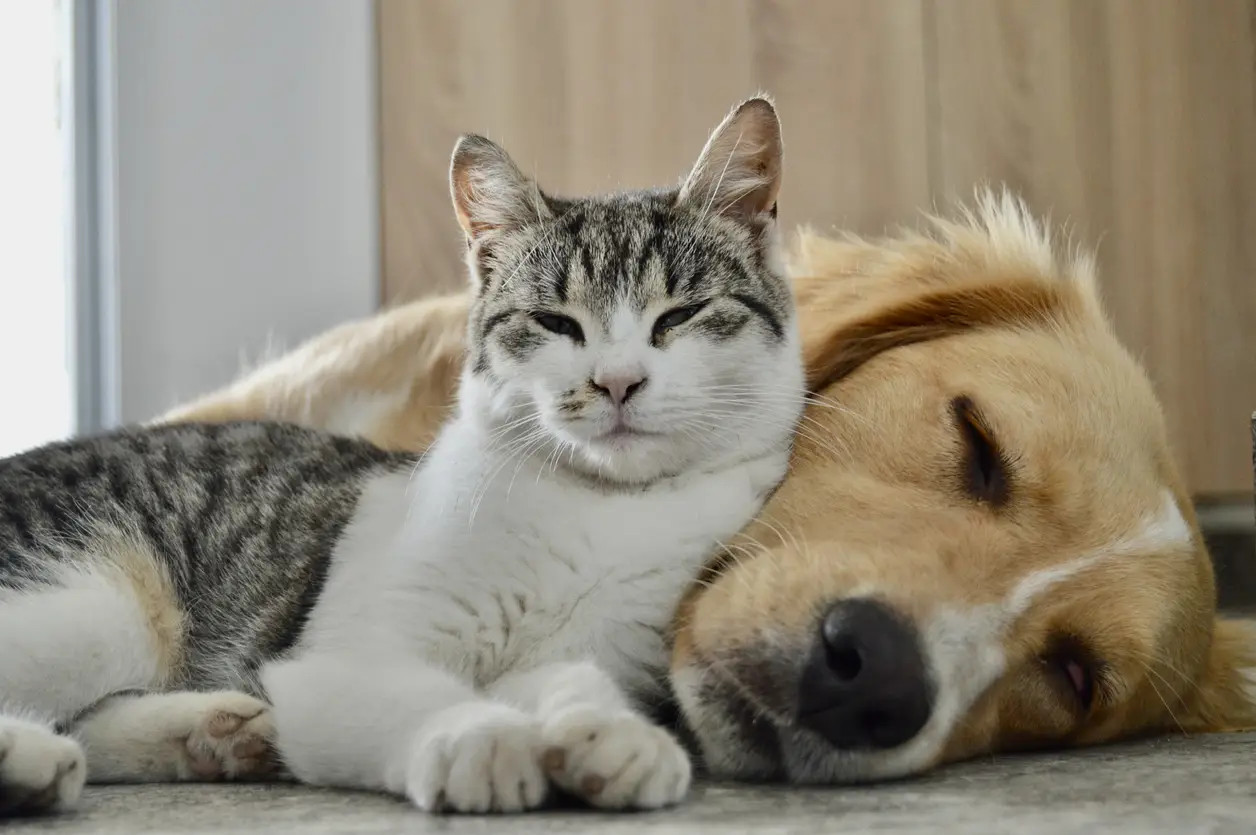
3 simple habits to catch issues early on
Preventive care is one of the simplest yet most effective ways to maintain your pet’s health. Through several simple routines, pet owners have a better chance of detecting potential issues early on and ensure their pets receive timely veterinary attention.
1. Schedule regular veterinary check-ups
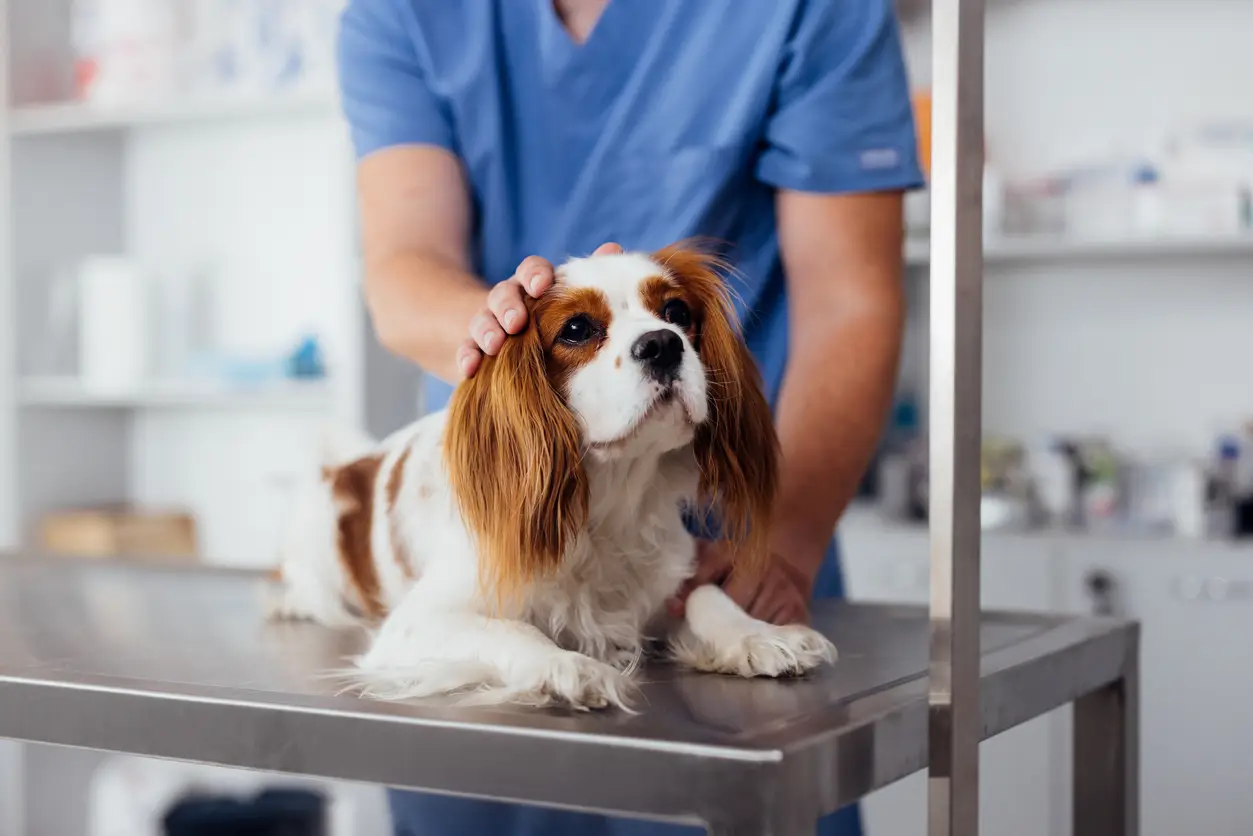
Routine veterinary visits are an important part of preventive care for dogs and cats
During these visits, veterinarians may conduct:
- Physical examinations
- Blood tests or laboratory screenings
- Dental checks
- Weight and nutritional assessments
These tests help detect subtle changes in a pet’s health that might not be obvious at home. After all, it’s not always easy to pick up on signs your dog or cat is sick. This includes less overt conditions such as cat urinary problems and causes for dog vomiting, which can be difficult to determine without a visit to your vet.
Annual check-ups are typically recommended for healthy adult pets, while senior pets may benefit from more frequent visits.Vet check-ups are also a good opportunity to share any observations with your vet. You’ll want to discuss signs you may have noticed at home, as your vet can let you know if it’s typical behaviour, or if it may be symptomatic of something else.
2. Pay attention to behavioural changes
Pets cannot simply speak out when something feels wrong, , but they often exhibit subtle symptoms.
Here’s how to recognise signs of illness in your dog or cat.
Pet owners should pay attention to changes such as:
- Reduced appetite or sudden weight loss
- Lethargy or reduced activity levels
- Limping or difficulty moving
- Excessive scratching or licking, which can be symptomatic of dog skin problems
- Changes in drinking or urination habits. Specifically for cats, frequent urination, straining, blood in urine, and litter box avoidance can be a sign of cat urinary problems
- Bouts of vomiting, as the causes of dog vomiting can be something serious
Even the tiniest of behavioural changes can act as a signal for larger underlying health problems. Seeking veterinary advice early can prevent minor issues from becoming more serious.
3. Maintain preventive health habits
In addition to veterinary care, everyday routines play a significant role in maintaining your pet’s long-term health.
Some simple habits include:
- Providing balanced nutrition-appropriate for your pet’s age and breed
- Ensuring regular exercise and mental stimulation
- Maintaining dental hygiene through brushing or dental treats
- Keeping up with flea, tick, and parasite prevention
- Monitoring body weight to prevent obesity
- Maintaining a regular pet vaccination schedule
These routines help support overall wellbeing and reduce the risk of certain health issues over time.
Preventive care for dogs and cats may not eliminate every potential health problem, but it can significantly improve the chances of detecting issues early and managing them effectively.
Plan ahead with pet care insurance
While preventive care for cats and dogs plays a crucial role in maintaining your pet’s health, planning ahead for potential medical needs is equally important.
Some health conditions simply cannot be prevented, particularly those linked to ageing or genetics. Should these conditions arise, veterinary treatment may involve specialised procedures, extended care, or ongoing monitoring.
The reality of veterinary costs
Modern veterinary medicine in Singapore offers a wide range of advanced treatment options that can significantly improve a pet’s chances of recovery and quality of life.
These may include:
- Orthopaedic or corrective surgeries
- Diagnostic imaging such as X-rays or ultrasounds
- Cancer treatments such as chemotherapy
- Hospitalisation and specialist care
While these treatments can be life-changing for pets, they can also result in significant veterinary expenses.
This is why many pet owners today think beyond preventive care for pets and consider both prevention and protection as part of responsible pet parenting.

Prevent & protect with pet care insurance
Preventive care for dogs and cats focuses on maintaining wellbeing and detecting issues early.
Protection, on the other hand, supports you with the comfort that you are financially protected, allowing you to focus on taking care of your pet.
Combining preventive health routines with pet care insurance in Singapore can provide valuable peace of mind. With the right protection in place, healthcare decisions can be made based on what is best for your pet, rather than financial limitations you might suddenly find yourself facing during an emergency.
Tailored with both dog and cat owners’ needs in mind, Income's Happy Tails Pet Insurance has the plan to suit your preferred coverage and budget.
Key benefits include:
- Up to S$22,000 per policy year in coverage for clinical and surgical expenses1, helping cover a wide range of treatments including diagnostics, hospitalisation, and surgery
- Chemotherapy coverage of up to S$5,000 per policy year1 if your pet is diagnosed with cancer
- Cashless value-added service at Beecroft Animal Hospital2, where no upfront cash deposit is required for scheduled surgeries
Together, these features keep the treatment process simple and allow pet owners to focus on their pet’s recovery and wellbeing.
Why starting early matters
One important consideration when exploring pet care insurance in Singapore is whether the plan covers pre-existing conditions.
This means illnesses or symptoms diagnosed before the start of a policy may not be eligible for coverage.
Hereditary and congenital conditions may not appear for years, but when they do, the treatment can be expensive. Eye disorders like glaucoma or knee issues requiring surgery like a patellar luxation are examples of these conditions.
Starting early helps provide protection throughout the different stages of your pet’s life, from playful babyhood to their senior years. That way, you and your pet stand to be better prepared for common dog illnesses as well as common cat illnesses.
For many households, having reliable pet care insurance in Singapore means being able to seek veterinary care when needed, with greater confidence and peace of mind knowing they are well prepared for whatever the future may bring.
Protect your pet’s future
Caring for a pet is about much more than providing food, toys, and daily walks. It also means thinking ahead about their long-term health and wellbeing.
Preventive care for cats and dogs helps owners:
- Maintain their pet’s overall health
- Detect potential medical issues early
- Improve treatment outcomes if health problems arise
At the same time, planning ahead with pet care insurance in Singapore provides valuable protection against the unexpected.
Through a simple combination of prevention and protection, pet owners can ensure they are fully prepared to support their pets through every stage of their lives.
Because when it comes to our pets, planning ahead today can make all the difference tomorrow.
Ready to safeguard your pet’s future wellbeing? Contact Income Insurance to explore your pet insurance options and keep your pet purring.
Frequently Asked Questions (FAQs) about common dog & cat illnesses
1. Why is early monitoring so important for conditions like cancer?
Early detection is key because many serious illnesses, including cancer and age-related organ issues, often develop silently. By noticing subtle changes in behavior or appetite and scheduling regular vet visits, you increase the chances of a successful treatment outcome and a better quality of life for your pet.
2. Does preventative care include my pet’s insurance premiums?
No. Preventative care refers to the everyday health habits you manage as a pet owner—such as balanced nutrition, dental hygiene, vaccinations, and regular check-ups. While pet insurance doesn't typically cover these routine "wellness" costs, it acts as a safety net for the expensive, unexpected medical treatments that preventative care helps you catch early.
3. What are some specific signs of illness I should look out for in my cat or dog?
Pets often hide discomfort, but subtle red flags include:
Behavioural: Lethargy, reduced activity, or hiding.
Physical: Excessive scratching (common for skin problems in Singapore), limping, or sudden weight loss.
Routine: Changes in drinking or urination habits (e.g., cat urinary problems) and persistent vomiting.
1 Based on Income’s Happy Tails Pet Insurance Furrific Plan. Policy Ts&Cs apply.
2 Co-insurance and deductible apply. Policy T&Cs apply.
This article is meant purely for informational purposes and does not constitute an offer, recommendation, solicitation or advice to buy or sell any product(s). It should not be relied upon as financial advice. Please seek independent financial advice before making any decision.
The precise terms, conditions and exclusions of any Income Insurance products mentioned are specified in their respective policy contracts. The policies are protected under the Policy Owners’ Protection Scheme which is administered by the Singapore Deposit Insurance Corporation (SDIC). Coverage for your policy is automatic and no further action is required from you. For more information on the types of benefits that are covered under the scheme as well as the limits of coverage, where applicable, please contact Income Insurance or visit the GIA/LIA or SDIC websites (www.gia.org.sg or www.lia.org.sg or www.sdic.org.sg).

Related Articles



Related Articles


