


.webp?language=en)




Understanding the Risks of C-Section
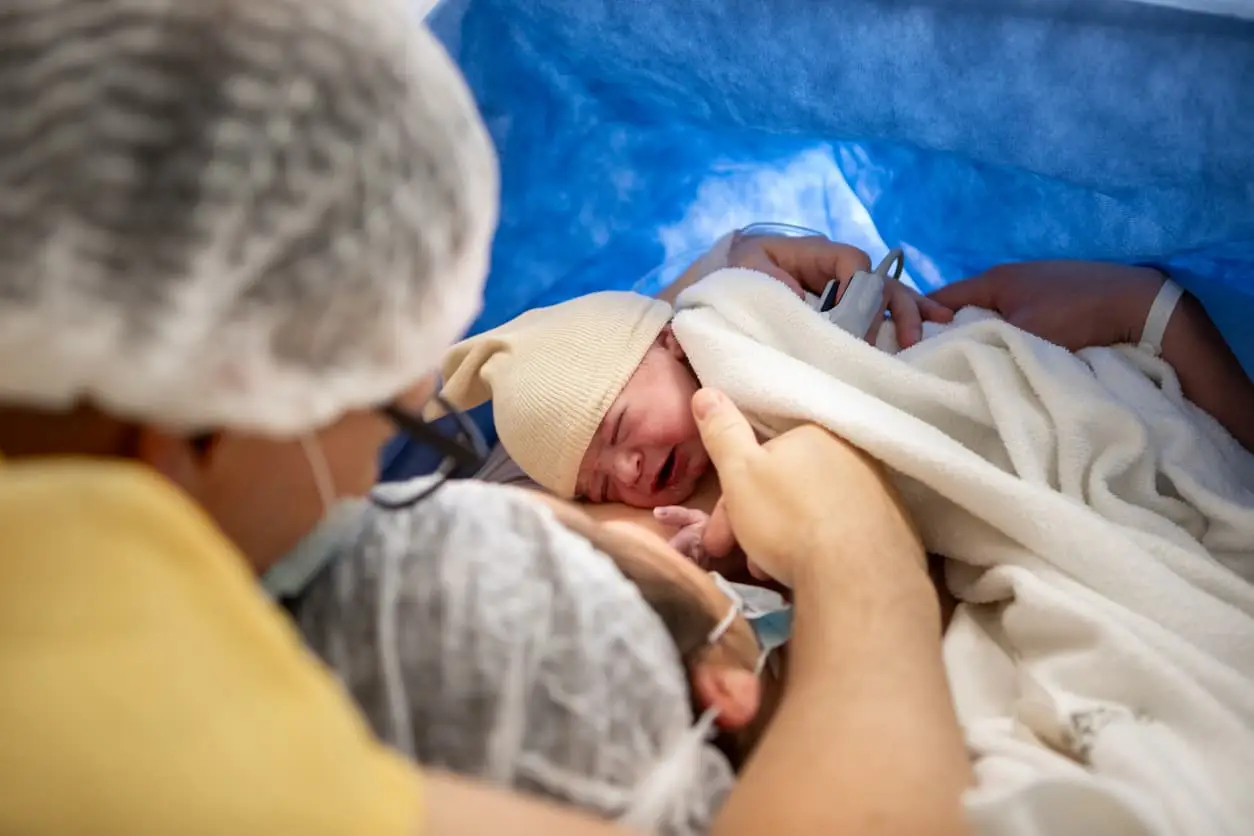
C-sections, or caesarean deliveries, are becoming increasingly common as more mothers consider different birth plans. Whether planned or unplanned, it is essential for expectant mothers to understand the associated risks. With knowledge of potential complications, mothers can better prepare themselves both mentally and physically, ultimately leading to more informed decision-making during childbirth.
Common Risks Associated with C-Sections
C-sections are major surgical procedures where an incision is made through the mother's abdomen and uterus to deliver the baby. Although they are often necessary for the health of the mother or baby, especially in elective primary cesarean sections, they come with inherent risks and side effects. Most of the benefits of C-sections apply primarily to mothers already facing complications during birth.
1. Infection and Recovery Challenges
Infections can occur at the incision site, within the uterus, or even in the pelvic organs, and may often require antibiotic treatment and could lead to further complications if left untreated.
Additionally, the recovery period after a C-section is typically longer compared to a vaginal birth. It often involves symptoms such as pain at the incision site, fatigue, limited mobility, and a higher likelihood of complications like infections or wound healing issues. These factors can significantly impact a mother's ability to care for her newborn and herself effectively.
2. Haemorrhage and Blood Loss
C-sections involve a higher risk of blood loss compared to vaginal births. This increased risk can lead to complications such as anaemia and may even require a blood transfusion in some cases. Haemorrhage can also prolong recovery time and affect a mother’s health in the weeks following childbirth.
3. Organ Injury
There is a risk of accidental injury to organs, such as the bladder or bowel, during the surgical procedure. Such injuries can require additional surgery to repair. Additionally, C-sections can cause the formation of adhesions, which are bands of scar tissue that can lead to pain or fertility complications in the future.
4. Risks for the Baby
Babies born via C-section also face specific risks. They may experience breathing difficulties, especially if delivered before the mother goes into labour. In rare instances, a baby can sustain physical injuries during the procedure, such as cuts from the surgical instruments.
Additionally, if the gestational age is miscalculated, the baby may be delivered prematurely, leading to complications associated with preterm birth.

Emotional and Psychological Impact of C-Sections on a Mother
C-sections, like any major medical procedure, can bring about a range of emotions for mothers. Some may feel a sense of relief after a safe delivery, while others may experience feelings of uncertainty or stress as they recover and adjust to their new roles.
These emotions are natural and can stem from physical recovery, hormonal changes, or the transition into motherhood. It is important for mothers to seek support when needed, whether from loved ones, healthcare professionals, or support groups, to navigate these emotions and foster a positive postpartum experience.
Preparing for a C-Section: What You Need to Know
If you are preparing for a potential C-section, taking proactive steps can make a big difference in your experience and recovery. Additionally, it's important to understand the financial implications of pregnancy and childbirth. To learn more about the costs involved, you can refer to our guide on the costs of pregnancy in Singapore.
Practical Steps for Surgery Preparation
Pack a hospital bag ahead of time with essentials for both you and your baby. Discuss pain management options with your healthcare provider, and make sure you have a clear understanding of what to expect during the procedure.
Post-Operative Support and Recovery
Arrange for help at home during the recovery period. Understanding post-operative care, such as wound care and activity restrictions, can make a significant difference in how smoothly your recovery goes.
Coverage with Income’s Maternity 360
Income Insurance’s Maternity 360 offers coverage for complications arising from pregnancy, providing added peace of mind. If you're considering when to buy insurance for your baby, it's helpful to know that coverage options like Maternity 360's begin as early as pregnancy, when the insured mother is between 13 and 35 weeks pregnant. This coverage includes:
- 1% of the sum assured per day if you1 or your child2 is hospitalised for any of the insured events, up to 30 days.
- Receive 100% of the sum assured if your child is diagnosed with any insured congenital illnesses3.
- Receive 100% of the sum assured if you are diagnosed with any of the insured pregnancy complications4.
This coverage can be a valuable part of your financial preparations for pregnancy.
Making Informed Choices for a Safe Delivery
Understanding the risks associated with C-sections empowers you to make informed decisions for a safe delivery. Open conversations with your healthcare provider about all available delivery options, while weighing the benefits and risks, are crucial steps in the decision-making process.
Additionally, securing a term-life insurance plan that covers maternity-related risks can be part of a broader strategy to manage potential risks during childbirth. By being informed and prepared, you can concentrate on the most important aspect: safely welcoming your baby into the world.
1 If the insured mother has to stay in a hospital due to any of the insured events under the hospital care benefit in the mother’s benefit table and the hospitalisation is within 42 days after the birth of insured child, we will pay 1% of the sum assured for each day she is in the hospital, up to a maximum of 30 days and the stay must be during the contract term. To avoid doubt, if the stay in hospital is due to multiple medical conditions, we will only pay 1% of the sum assured for each day the insured mother stays in the hospital. The total amount paid under this hospital care benefit will not exceed 30% of the sum assured. This benefit will end upon payment of 30% of the sum assured. Please refer to the policy contract for further details and definitions of the insured events.
2 If the insured child stays in the intensive care unit or high dependency unit of a hospital due to any of the insured events under hospital care benefit for the child, we will pay 1% of the sum assured for each day the insured child is in the hospital, up to a maximum of 30 days and the stay must be during the contract term. To avoid doubt, if the stay in hospital is due to multiple medical conditions, we will only pay 1% of the sum assured for each day the insured child stays in the intensive care unit or high dependency unit of a hospital. For phototherapy or blood transfusion for severe neonatal jaundice and premature birth, we will only cover up to 30 days from birth. The total amount paid under this hospital care benefit will not exceed 30% of the sum assured. This benefit will end upon payment of 30% of the sum assured. Please refer to the policy contract for further details and definitions of the insured events.
3 The total amount paid under this pregnancy complications benefit will not exceed 100% of the sum assured. This benefit will end when we make this payment. Please refer to the policy contract for further details and definitions of the insured events.
4 We will pay 100% of the sum assured if the insured child is live-born and is diagnosed with any of the insured events under the congenital illnesses benefit in the child’s benefit table. The total amount paid under this congenital illness benefit will not exceed 100% of the sum assured. This benefit will end when we make this payment. Please refer to the policy contract for further details and definitions of the insured events.
This article is meant purely for informational purposes and does not constitute an offer, recommendation, solicitation or advise to buy or sell any product(s). It should not be relied upon as financial advice. The precise terms, conditions and exclusions of any Income Insurance products mentioned are specified in their respective policy contracts. Please seek independent financial advice before making any decision.
These policies are protected under the Policy Owners’ Protection Scheme which is administered by the Singapore Deposit Insurance Corporation (SDIC). Coverage for your policy is automatic and no further action is required from you. For more information on the types of benefits that are covered under the scheme as well as the limits of coverage, where applicable, please contact Income Insurance or visit the GIA/LIA or SDIC websites (www.gia.org.sg or www.lia.org.sg or www.sdic.org.sg).
This advertisement has not been reviewed by the Monetary Authority of Singapore.

Related Articles



Related Articles
.webp?language=en)

.webp?language=en)


